
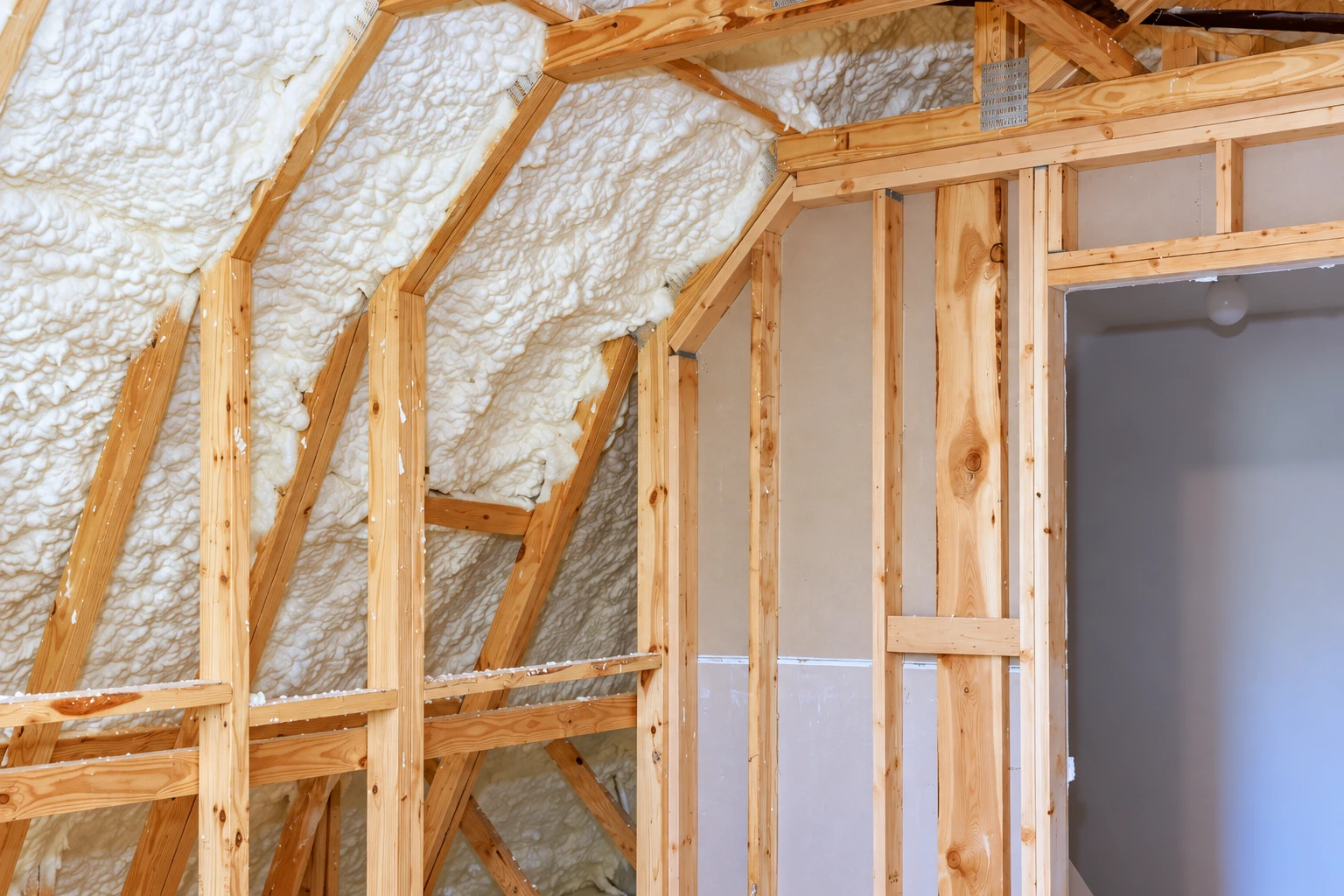
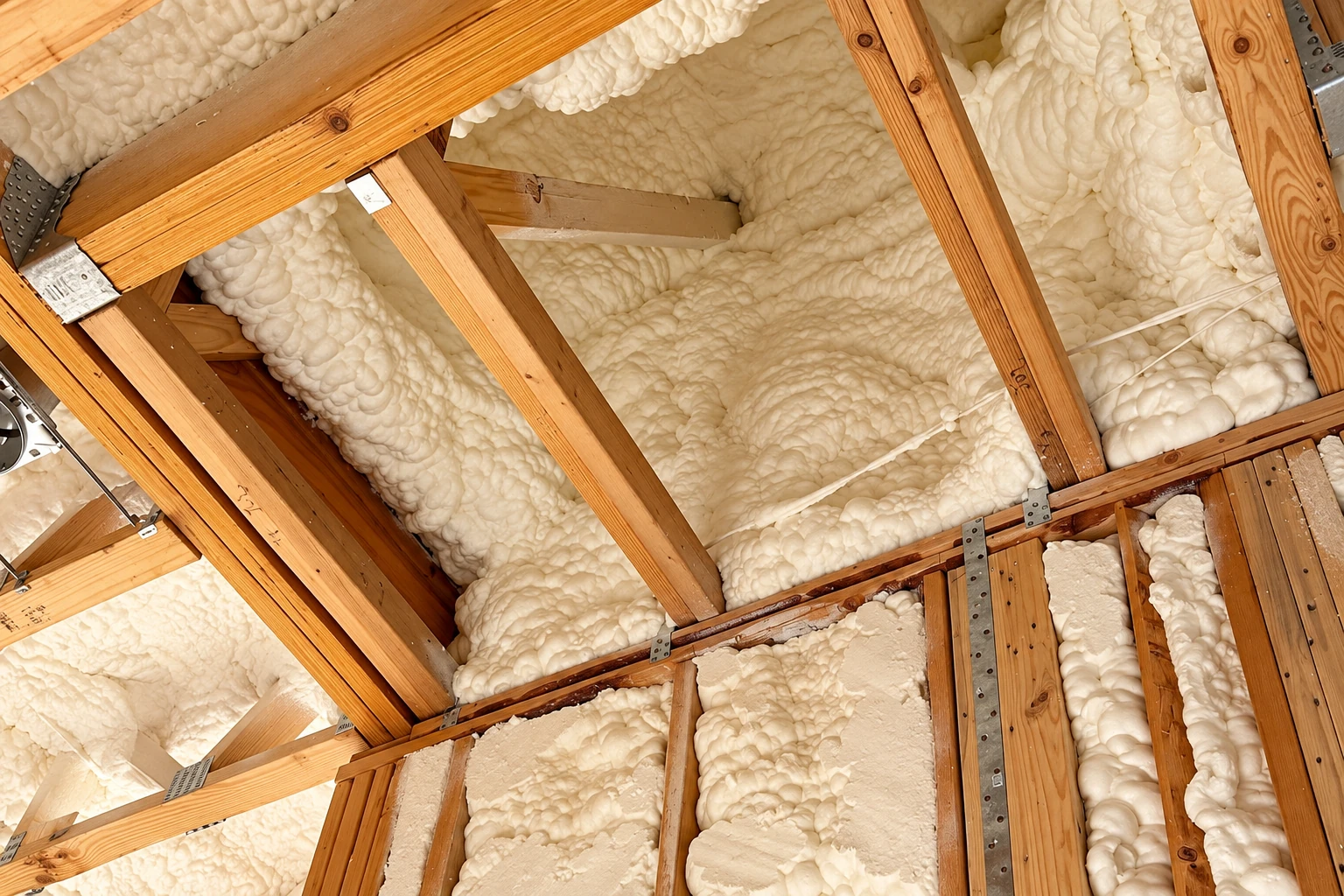
Spray foam goes on as a liquid, expands to fill the cavity and seals air in the same pass, so it suits gaps that are hard to reach. It costs more than loose fill, and we'll tell you plainly when it's worth it.
Detail-Oriented Insulation Contractor in Durham NC - Fewer Drafts, More Comfortable Rooms
Sealcraft Durham Insulation Company insulates attics and fixes drafty rooms in Durham and the cities around it, including Chapel Hill and Raleigh. We also clear out old, dirty insulation in older houses and seal crawl spaces under cold floors.
Get your free on-site insulation estimate
Send this and we'll reply within one business day to set a time. I come out to look at the job with you, and you get a written estimate with no obligation.
- Licensed and insured.
- Free on-site estimates.
- Replies within 1 business day.
Insulation contractor services in Durham, NC
Price usually turns on the size of the space, what's already there, whether old material has to come out and foam versus loose fill. Removal and any permit check set the schedule, and your written estimate lists each line.
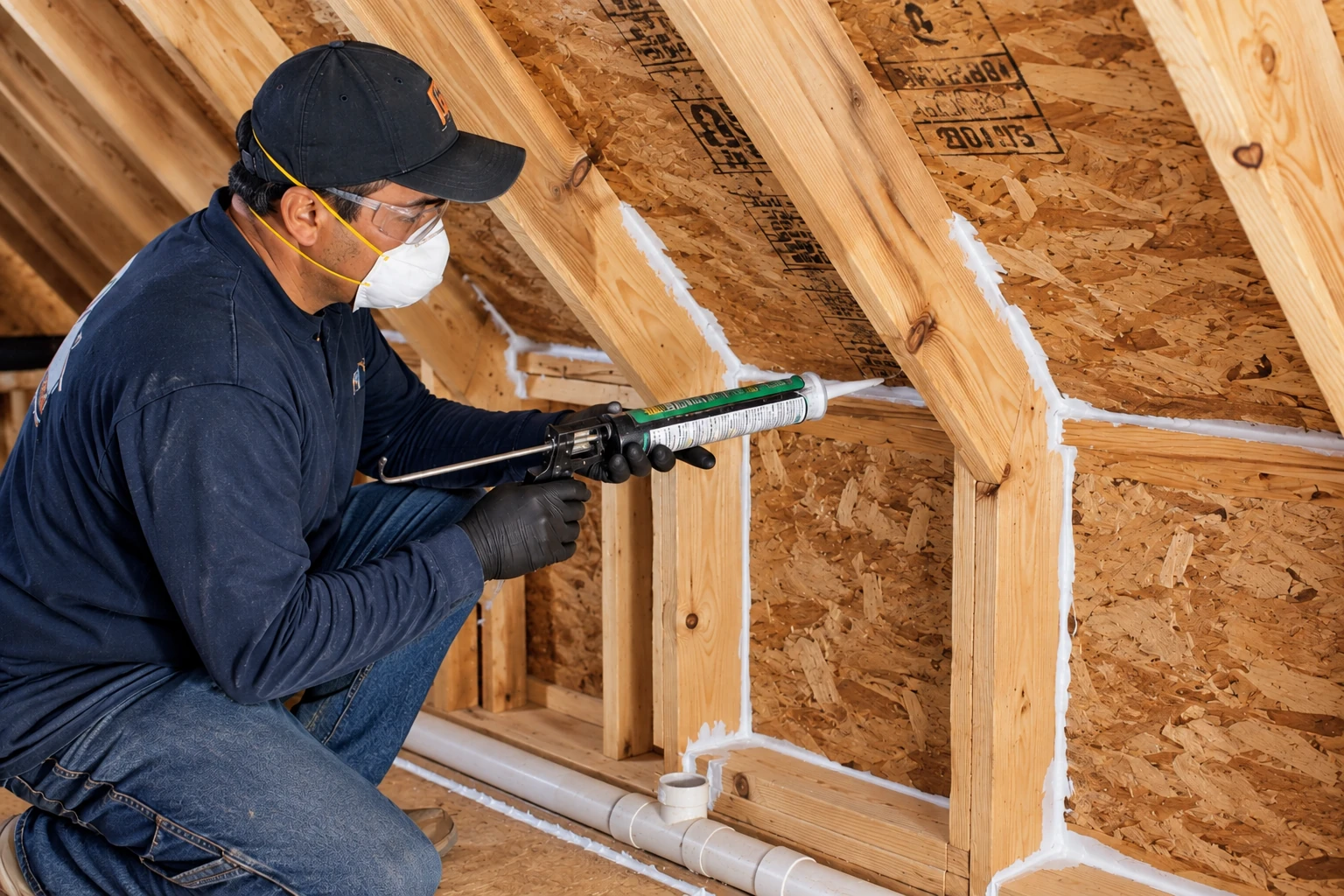
A hot upstairs in summer or a drafty bedroom in winter usually points to the attic. We seal the gaps first, then bring the coverage up evenly, edges included, so the insulation isn't fighting a draft.
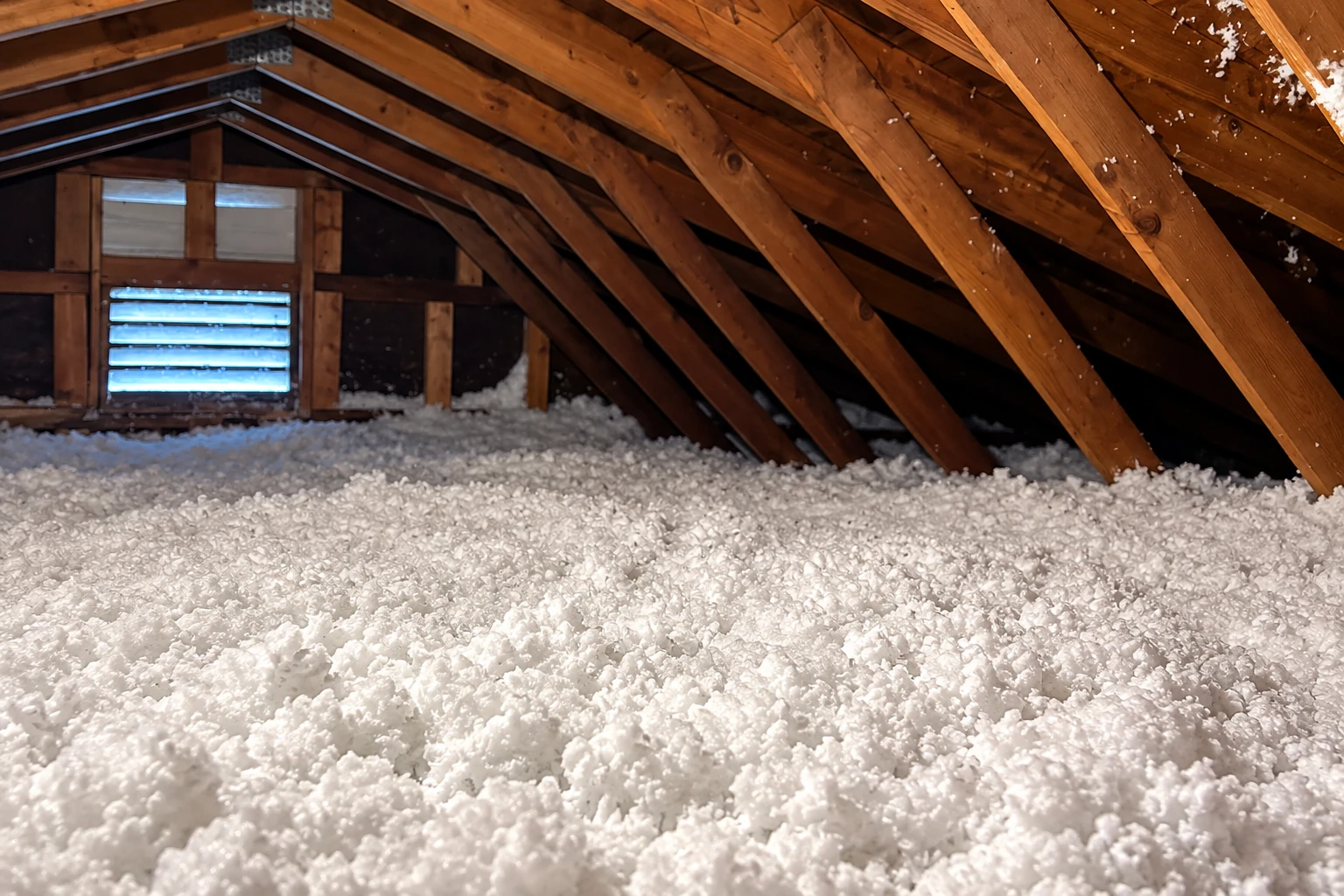
What is blown-in insulation? It's loose fill blown through a hose, and it's the quickest way to top up an attic floor that already has a few inches down.
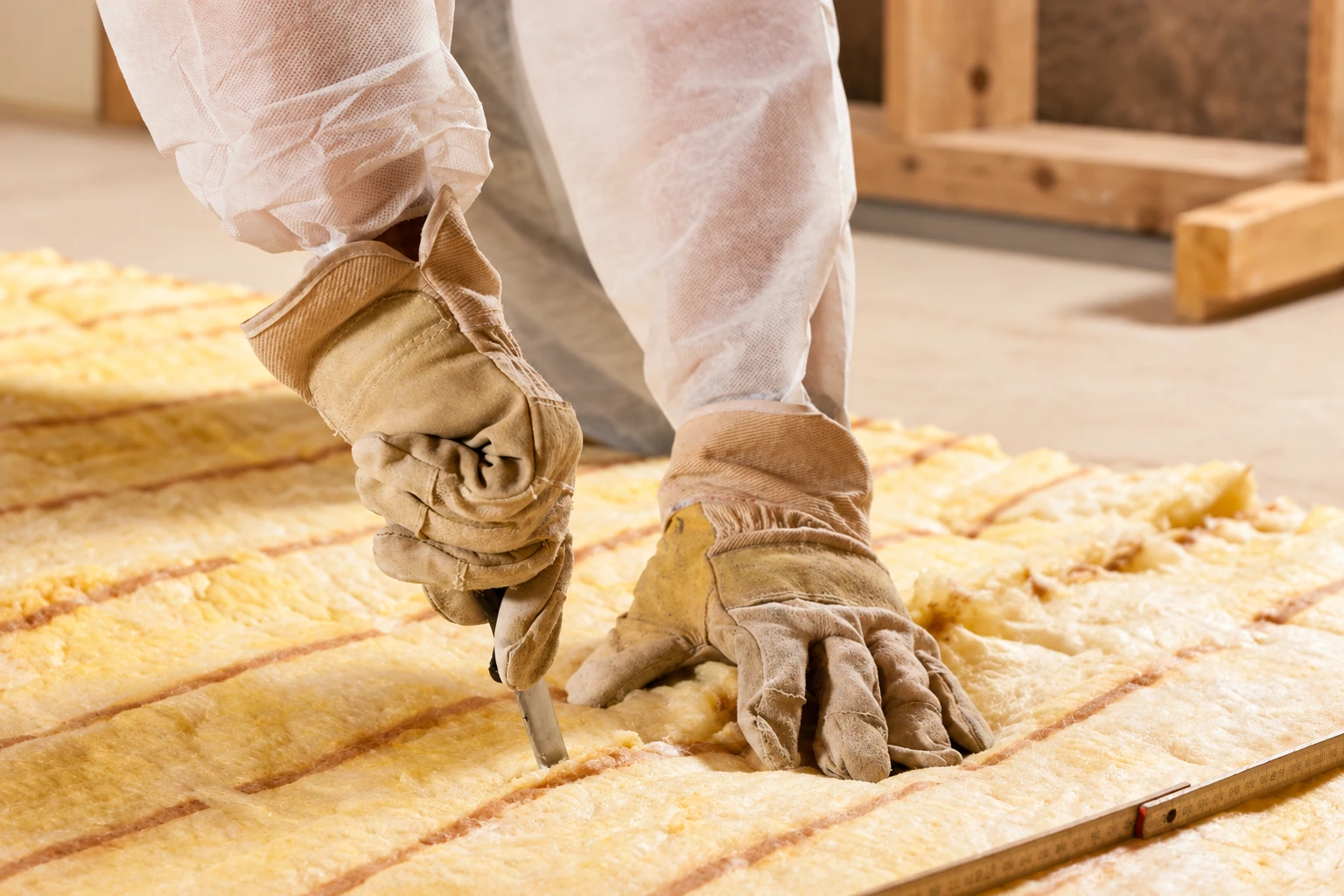
We look at the whole house, from the attic to the walls to the crawl space, and tell you which one to fix first so your money goes where the heat is actually leaving.
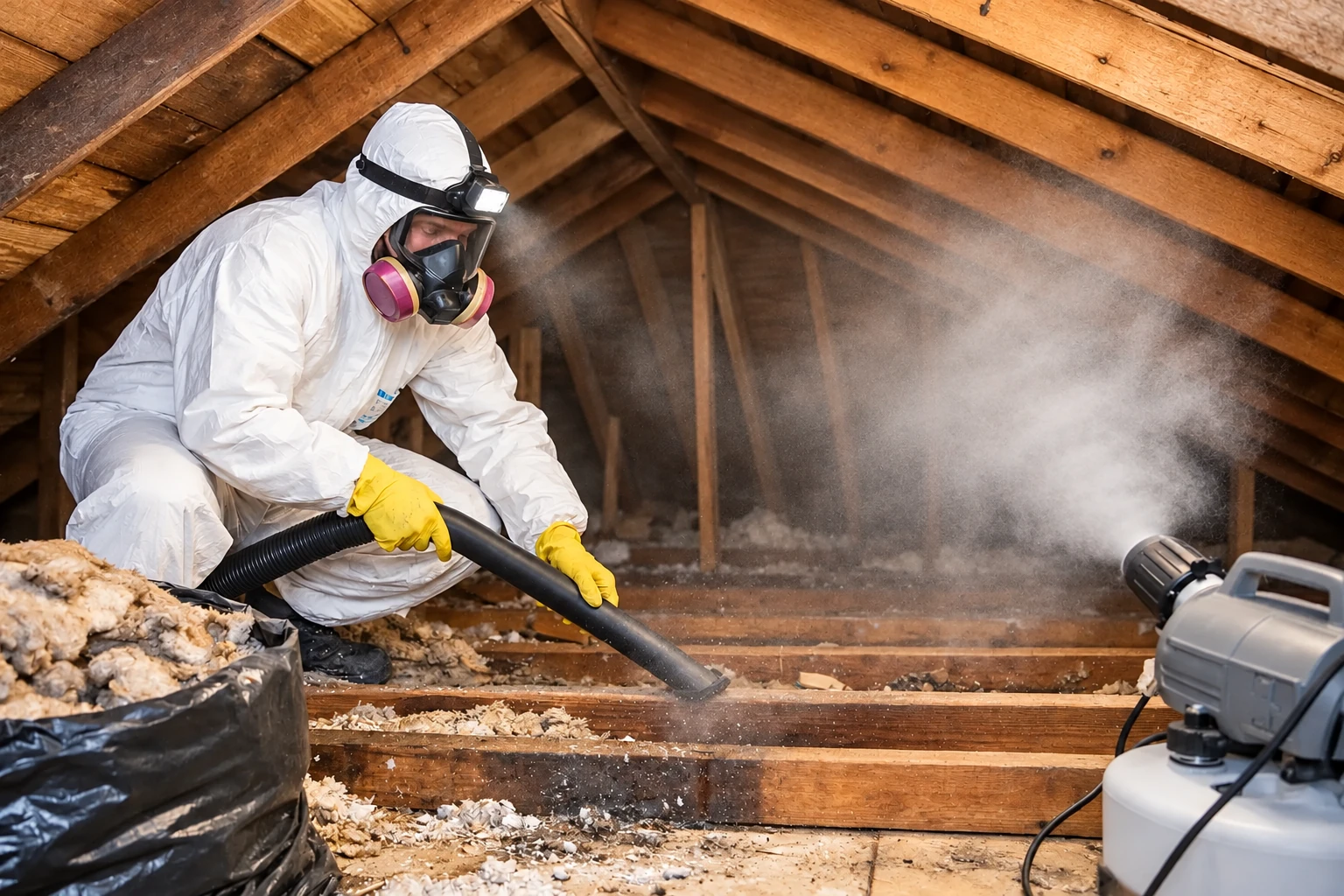
When old insulation got soaked from a roof leak or filled with droppings, we bag it out and clean up before anything new goes in, because covering it over keeps the problem.
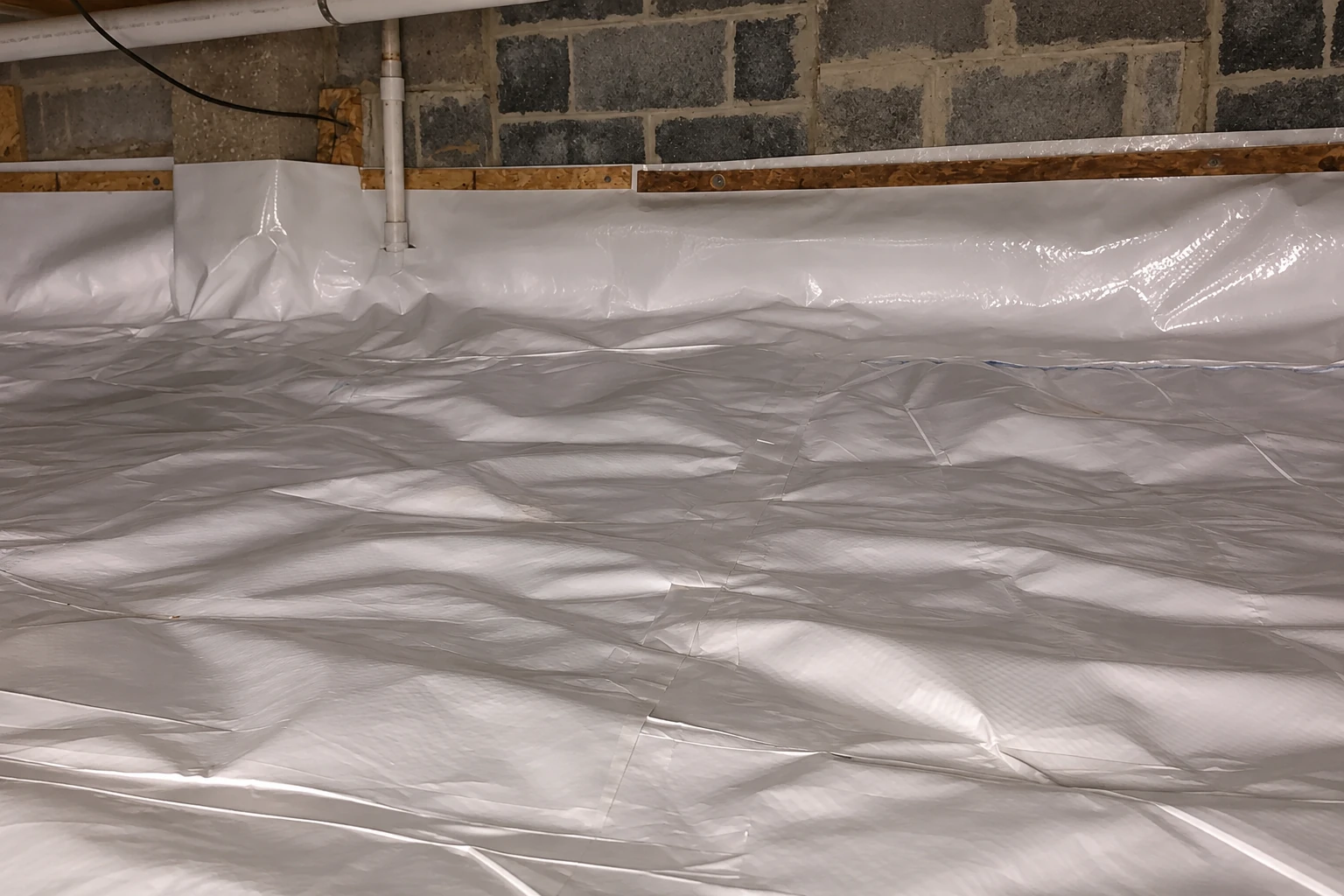
Cold floors over a crawl space are one of the calls we hear most. We insulate under the floor or along the crawl space walls, depending on how the space is built and vented.
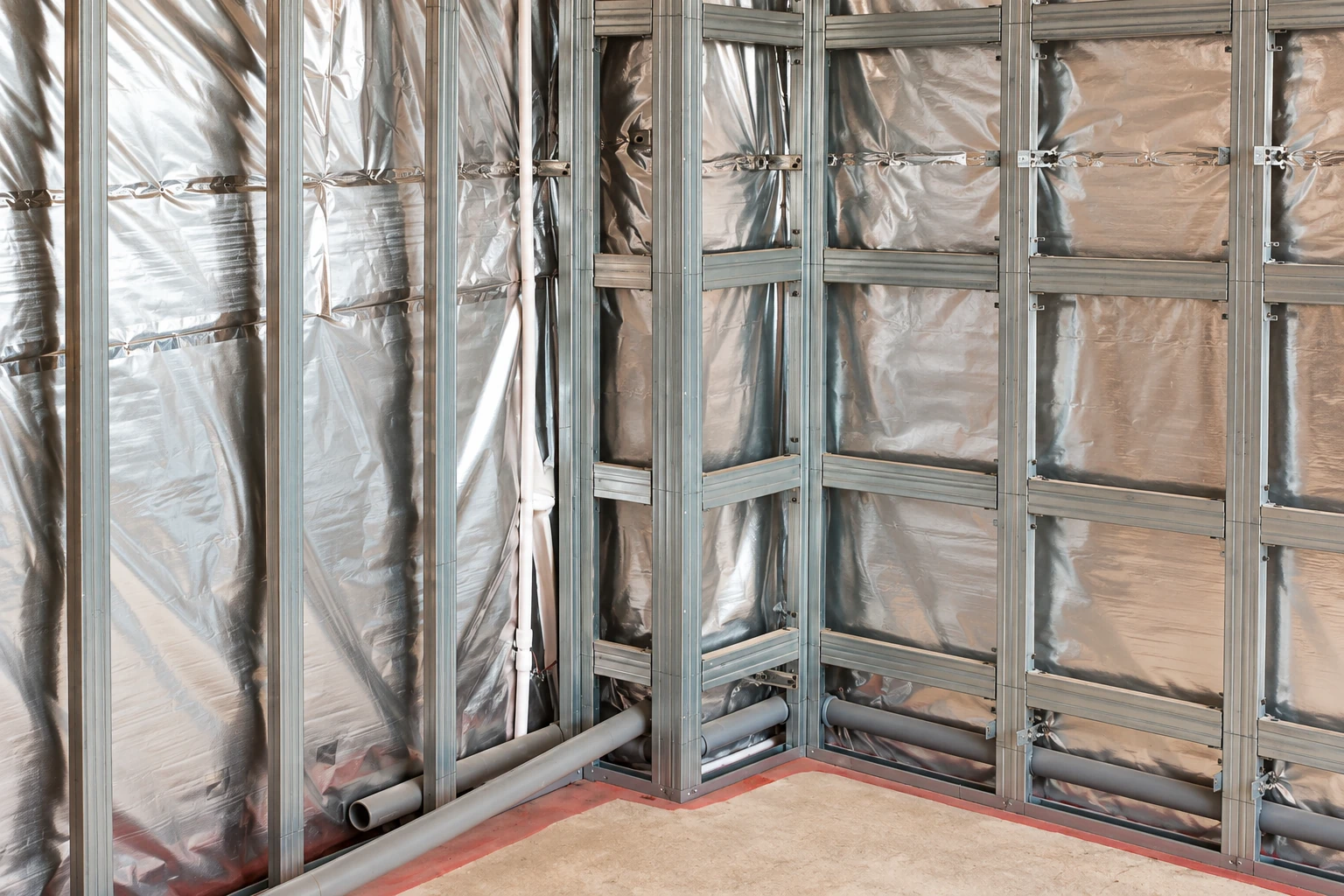
Do your outside walls feel cold to the touch? We fill open walls during a remodel and blow insulation into closed walls through small holes that we patch afterward.
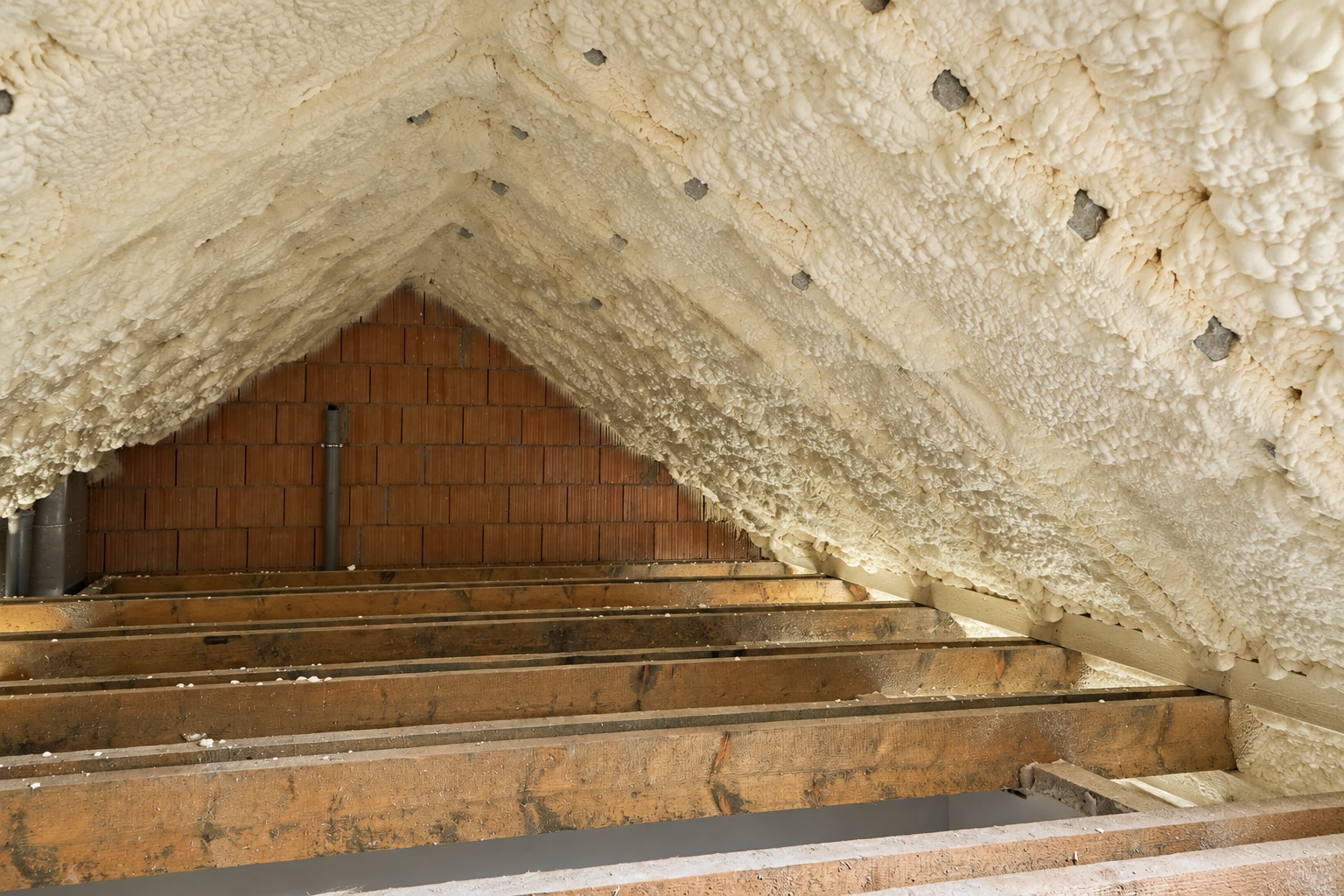
Air sealing is closing the gaps around pipes, wires, can lights and the attic hatch before insulation goes on. It's the step that gets skipped most, and it's where a lot of the draft comes from.
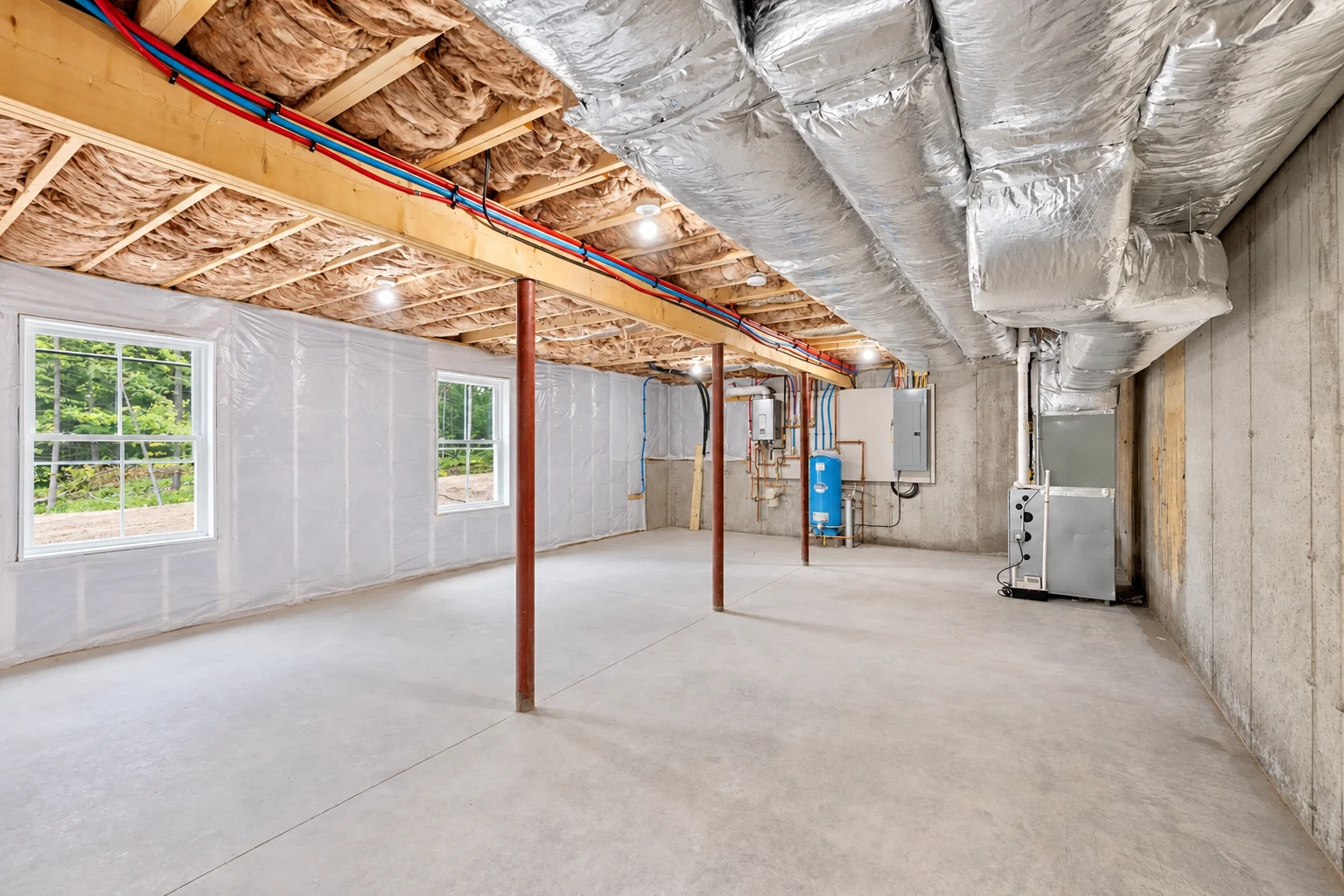
We insulate basement walls and rim joists, the band of framing that sits on top of the foundation, so a finished or half-finished basement stays closer to the temperature upstairs.
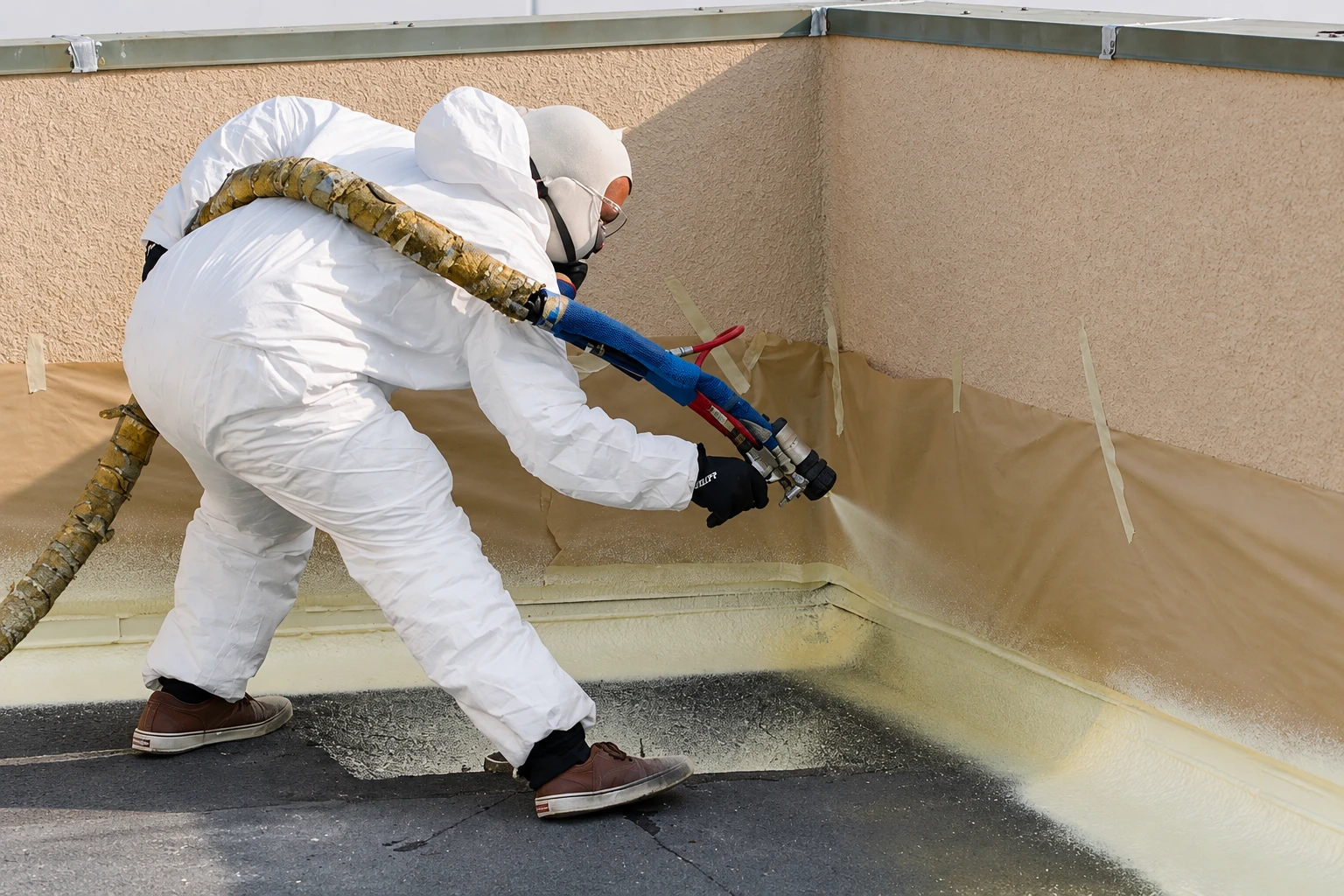
Closed-cell foam is a dense foam that blocks moisture as well as air. We reach for it on rim joists, crawl space walls and other spots that stay damp.
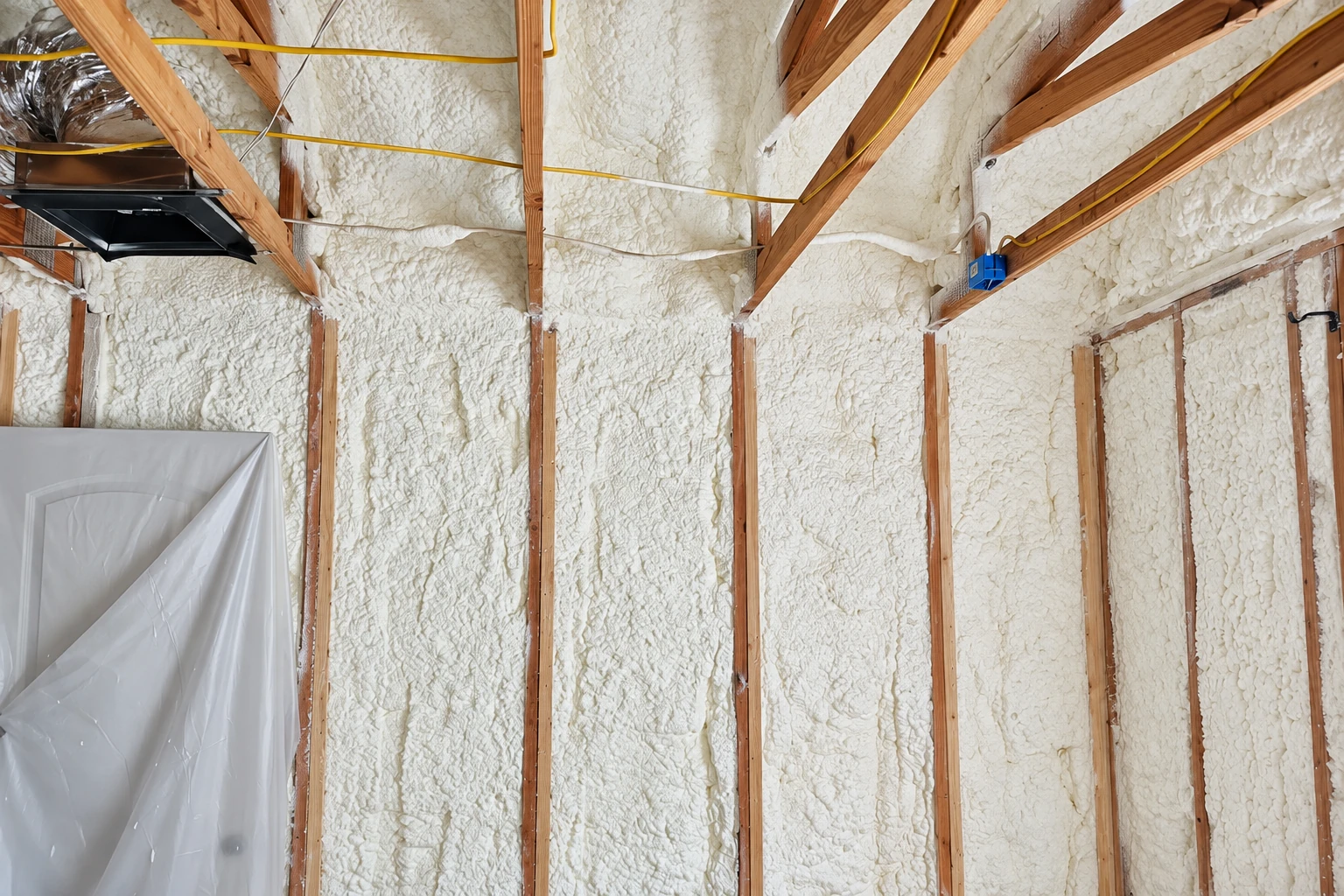
Open-cell foam is the softer, lighter foam, and it's a common pick for the roofline when your ductwork lives in the attic and you want that space inside the sealed part of the house.
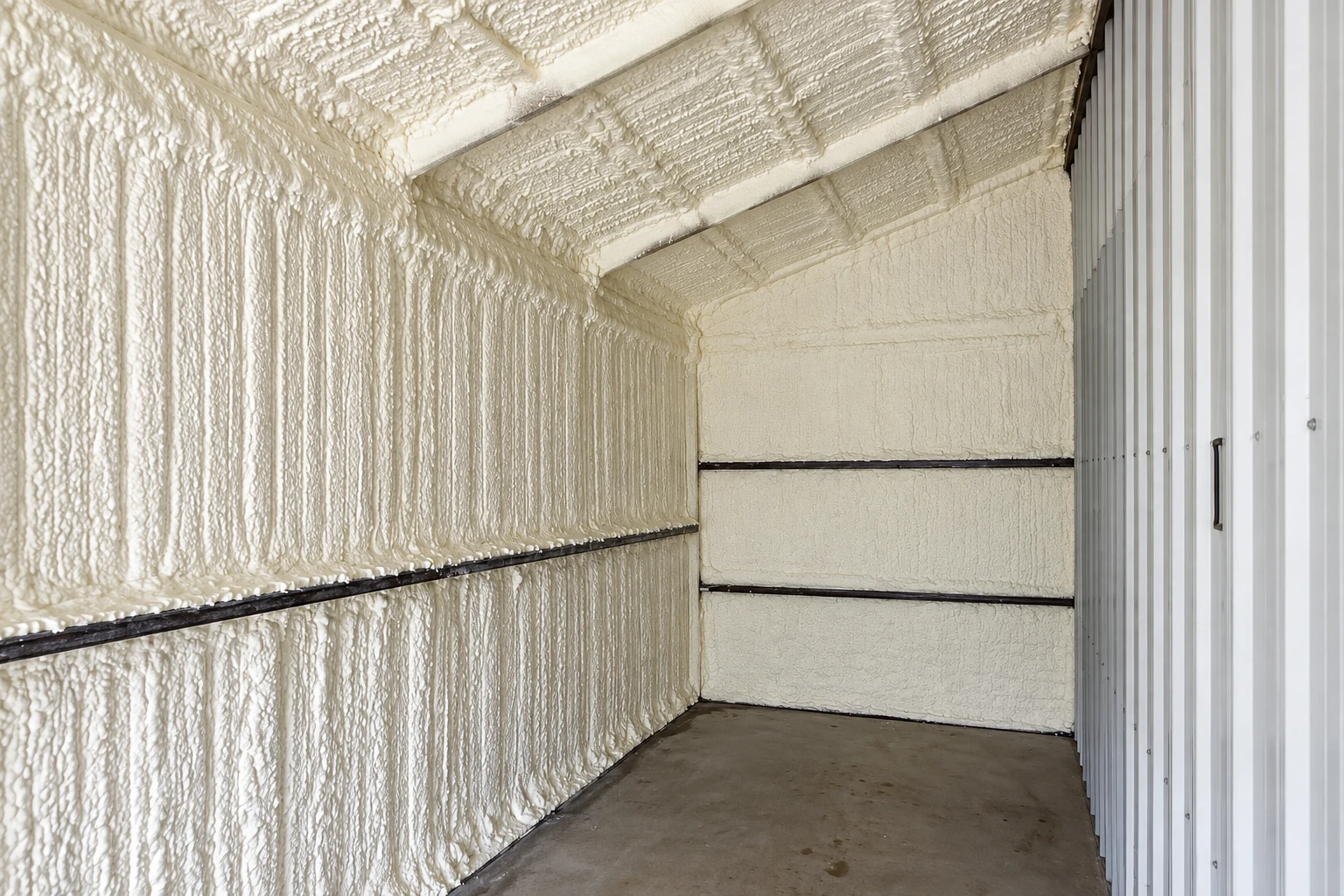
We insulate offices, shops and other commercial buildings for owners and property managers, with habits that come from years on big commercial crews.
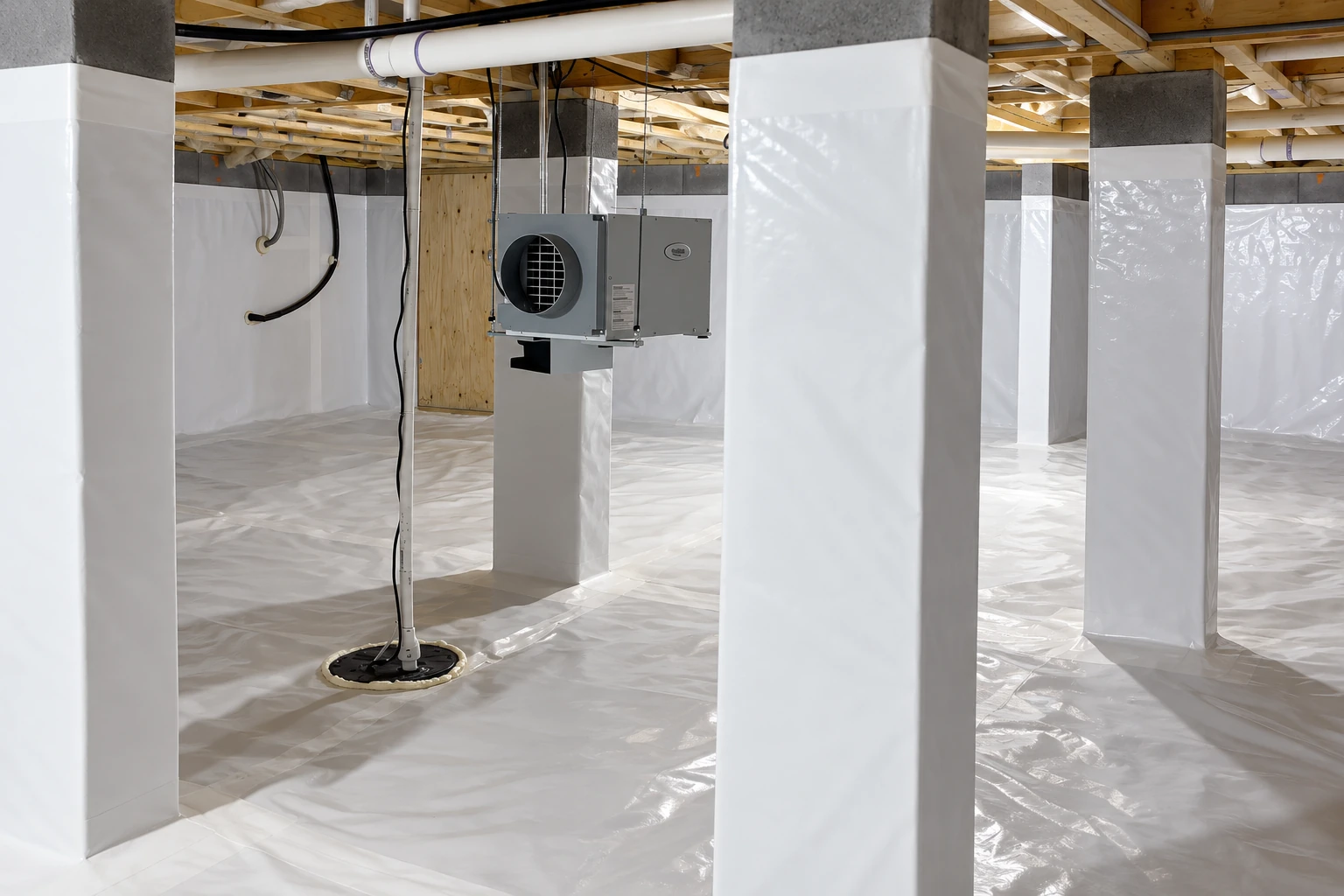
We lay a heavy plastic sheet over the crawl space dirt and up the walls, sealed at the seams, so ground moisture stops rising into the floor framing.
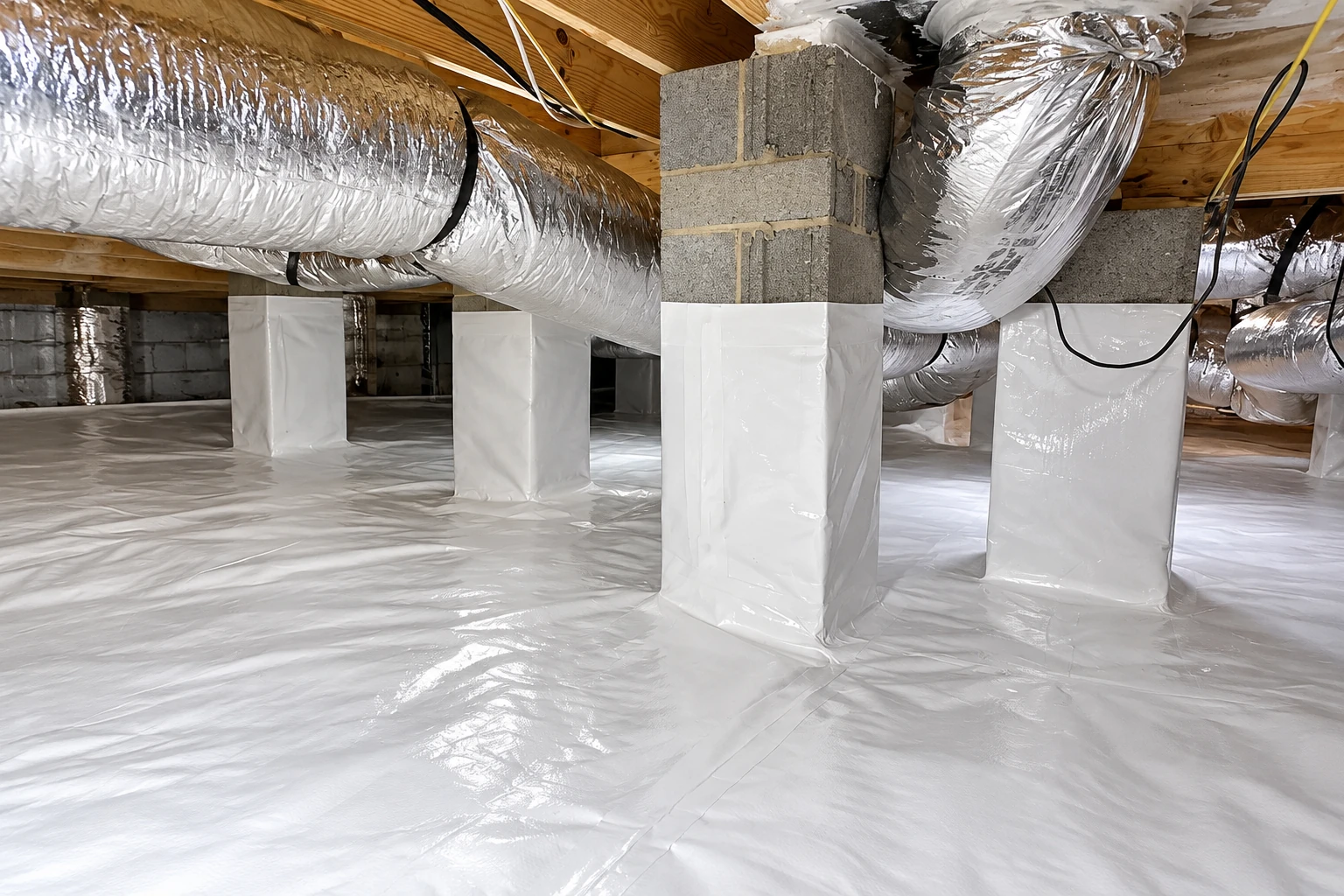
A vapor barrier is a layer that slows moisture moving through a wall, floor or ceiling. We put one in where the assembly needs it, and we'll tell you when one doesn't belong.
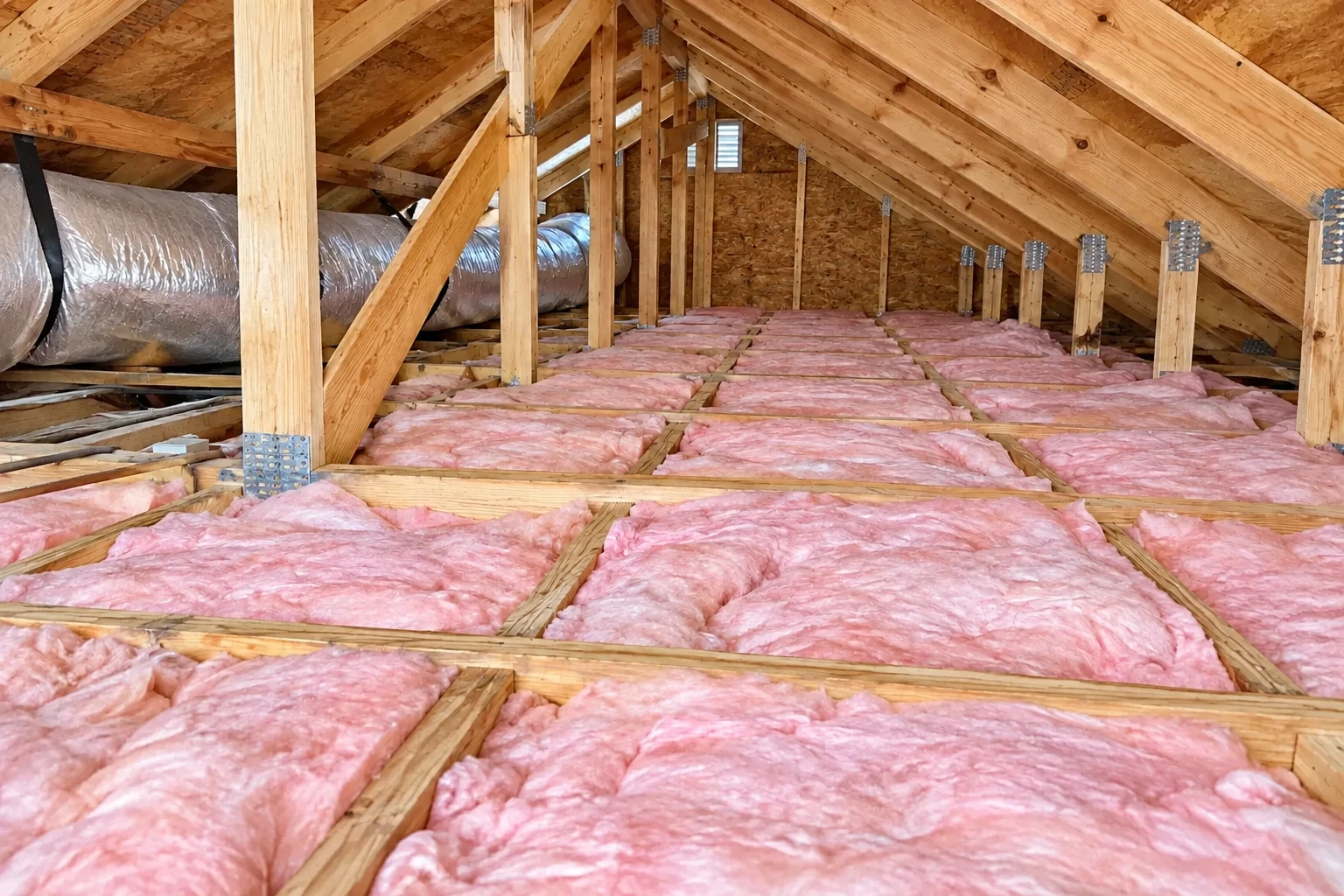
Before new insulation goes into your attic, we seal the wire holes, flue gaps, wall tops and the hatch from above, so heated and cooled air stops slipping up there.
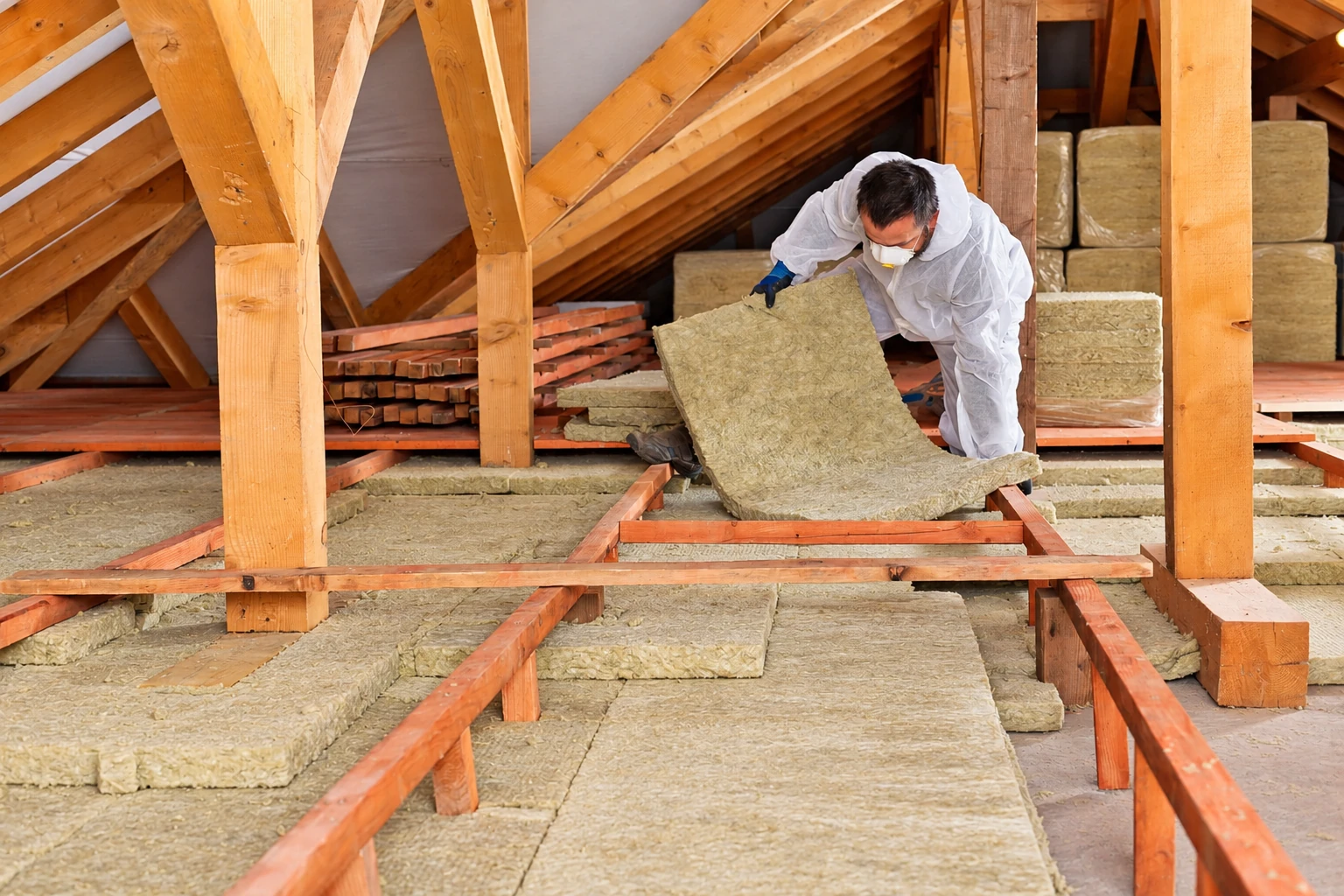
Retrofit insulation means adding insulation to a house that's already built and finished. We work through the attic, the crawl space and small wall holes so you don't have to open up rooms.
Why we explain your attic before we quote it
I learned this trade on the crews of a big commercial insulation company, spraying foam and fitting board in warehouses, schools and office buildings. Every layer got checked there before anything covered it up, and I saw that most insulation problems trace back to one rushed step. I started this business in Durham in 2013 to bring that same care to houses.
We're best known for explaining what's going on in your attic or crawl space before we touch it. I come out myself, so the plan you hear at the estimate is the plan our crew follows. New insulation laid over soaked material or unsealed gaps just hides the problem, which is why the order of the work matters as much as the material.
Homeowners call us about drafty rooms, the room over the garage and high power bills. Property managers call us for commercial buildings, so a landlord can use one company for both. I'd rather lose a job by being straight with you than win it by skipping a step. You can read more about us and how we work.
What Durham's permit office means for your job
We're based in Durham, where permits for the city and the county run through one shared office. Here's what that means for an insulation job before anyone climbs into your attic.
One office for city and county
In Durham, City-County Building & Safety handles building permits, plan review and inspections for both the City and the County of Durham. So whether your house sits inside city limits or out in the county, it's the same office. Plans for review go in through the department's website, for home projects as well as business ones.
When a building permit comes up
The department calls for a building permit on any load-bearing work or any project over $40,000 in market value. Insulation isn't named on that list by itself, so before we start we check with the permit office that covers your address. Where a permit is needed, we handle the paperwork and meet the inspector.
Wiring and ducts in the attic
Attics and crawl spaces hold other trades' work, and that work carries its own permits. The department requires an electrical permit to install, repair or change wiring, and a mechanical permit for heating, air conditioning and ventilation work. If we find a wiring or duct problem that isn't ours to fix, we tell you plainly and help you find who should handle it.
How a job goes from first call to finish
Here's how a job goes with us, from the first call to the walk-through at the end. Nothing starts until you've seen the plan in writing and know why the work comes in that order.
- 1
Call or send the form
Call (919) 246-8605 or send the form and tell us what you're noticing, whether it's a hot upstairs, cold floors or a power bill that keeps climbing. We get back to you within one business day to set a time.
- 2
Walk the house with me
I come out, look at your attic, walls or crawl space with you and explain what I see and what I'd do first. You get a written estimate with no obligation, and I walk you through each line.
- 3
Let our crew do the work
Our trained installers do the job with a crew lead on site, following the plan you heard at the estimate. If it's foam, we tell you the re-entry time, which is when you and the pets can come back in, before we start.
- 4
See what we did
Before we leave, we show you the finished work, from the sealed gaps to the depth across the whole attic. Keep stored boxes off fresh loose fill afterward, because the weight packs it down and it slows heat less.
Insulation work up close
A look at the kinds of work this trade does, from blown-in attic floors to sprayed foam and sealed crawl spaces, and how each one looks when it's finished.
Questions homeowners ask about insulation
How much does attic insulation cost in Durham, NC?
Your own figure comes from a free written estimate, because every attic starts in a different place. The biggest choice is foam or loose fill. Foam costs more and seals air while it insulates, but sealing the gaps and topping up loose fill usually wins, unless your ductwork lives up there.
How long will an insulation crew be in my attic?
It depends on what we find, so I'll give you a plan at the estimate rather than a guess on the phone. A top-up over clean insulation goes quicker than a job where soaked or dirty material comes out first, and an attic full of can lights and pipes takes longer to seal than a simple one.
Do I have to leave the house when you spray foam insulation?
For spray foam, plan on being out while we spray and until the re-entry time we give you, and that goes for kids and pets too. Blown-in and most air sealing jobs usually don't need you to leave. We'll tell you the timing ahead of the day so you can plan around it.
How do I get my house ready for attic insulation?
Clear a path to the attic hatch and move anything stored right under it or on the attic floor, since that's where we'll be working. Tell us where the can lights and bath fans are if you know, and keep pets in another room while the crew comes and goes.
Do you do insulation work outside Durham, like Raleigh or Chapel Hill?
Yes. We're based in Durham and work in the cities around it, including Raleigh, Chapel Hill, Cary and Burlington. If you're not sure we come to you, just ask when you call. The estimate and the plan work the same way wherever you are.
Tell us what's going on upstairs
Describe the drafty room or the high bill through our contact form or call (919) 246-8605, and we'll reply within one business day to set a time to come look.