
Spray foam insulation
Spray foam makes sense when ducts or a furnace sit in the attic, because it seals air and insulates in one layer. It costs more, so I'll tell you when it isn't worth it.
Sealcraft Durham Insulation Company is an insulation contractor based in Durham that comes over to Burlington, NC to insulate and air seal attics, crawl spaces and walls, and to pull out old insulation that's gone bad.
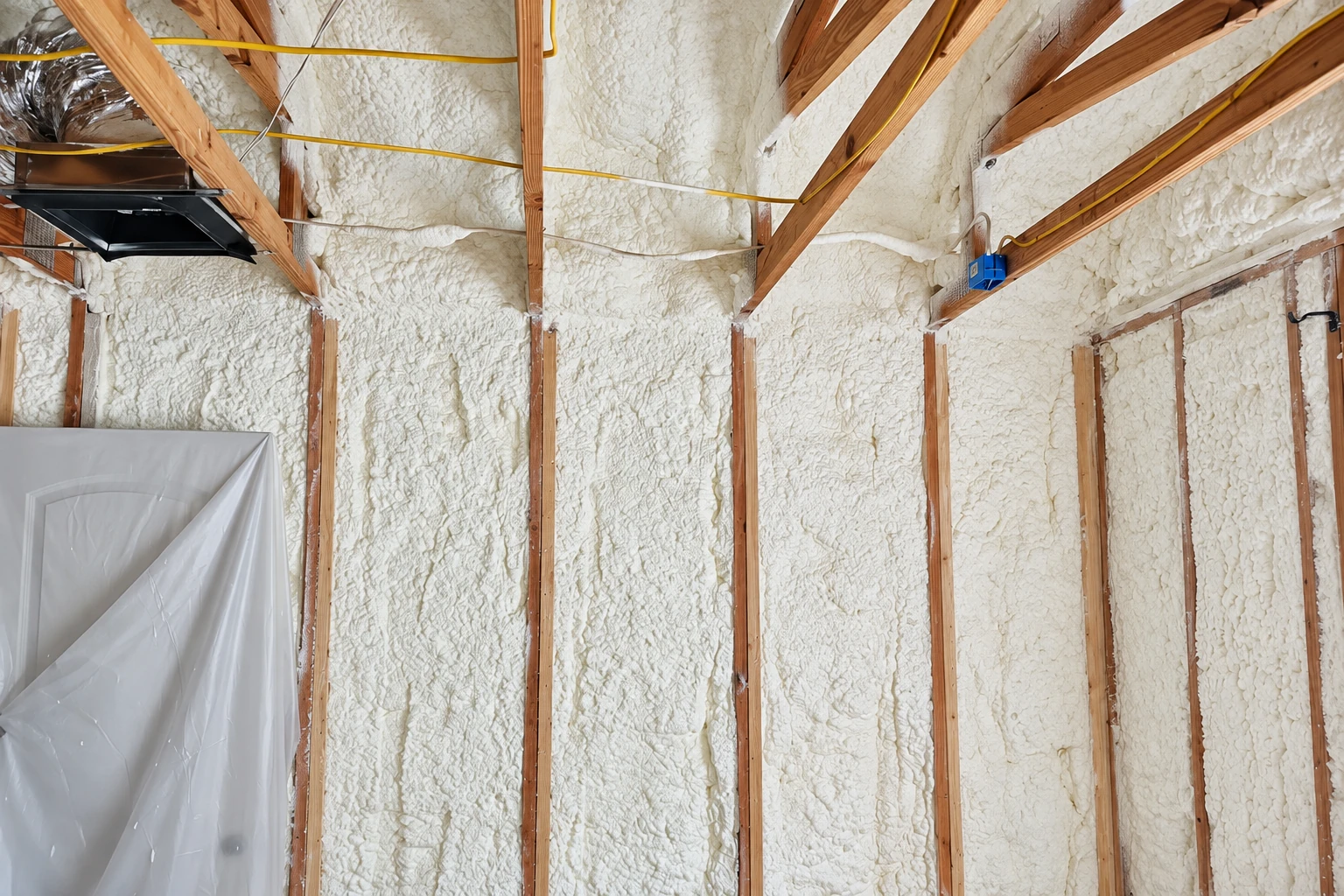
We do the full range of insulation work in Burlington, from topping up a thin attic to sealing and insulating the crawl space under a cold floor. Sealcraft Durham Insulation Company also removes old insulation, fills walls and sprays foam where it earns its cost. I come out and look before anything gets quoted.
Most Burlington calls start the same way. Upstairs is hot in July, the room over the garage never feels right, or the floors are cold enough that you wear socks all winter. When I get into the attic, I usually find a few inches of old material settled flat, with open gaps around the hatch, the pipes and the light fixtures. That tells me where the air gets through before I talk about adding anything.
The houses here run from older homes built over crawl spaces to newer ones with ducts running through the attic, and each asks for something different. It's the same work we do next door in Mebane and back home in Durham, so the drive doesn't change how carefully we go about it. Before we start, I tell you what I found and why I'd do it in that order.
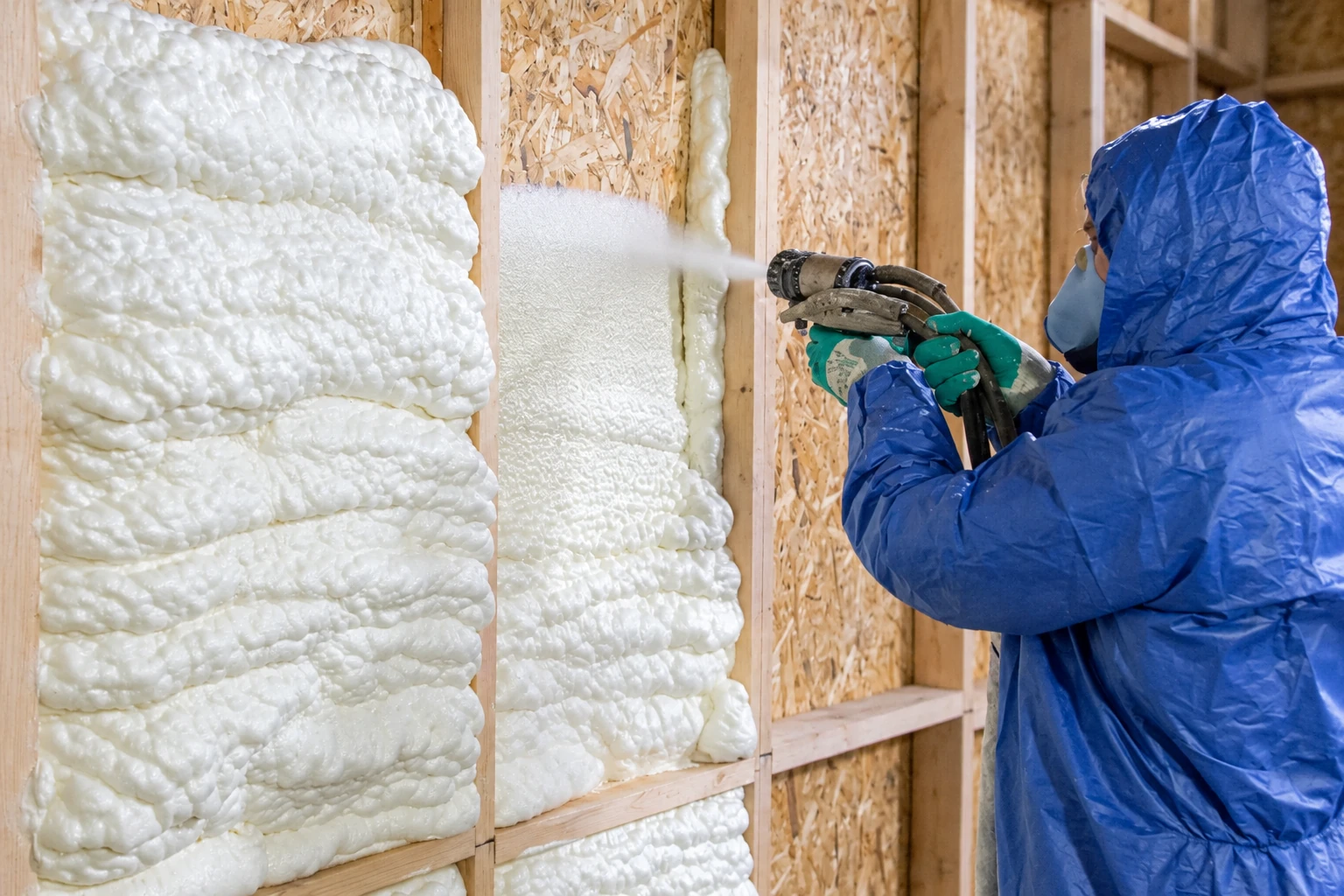
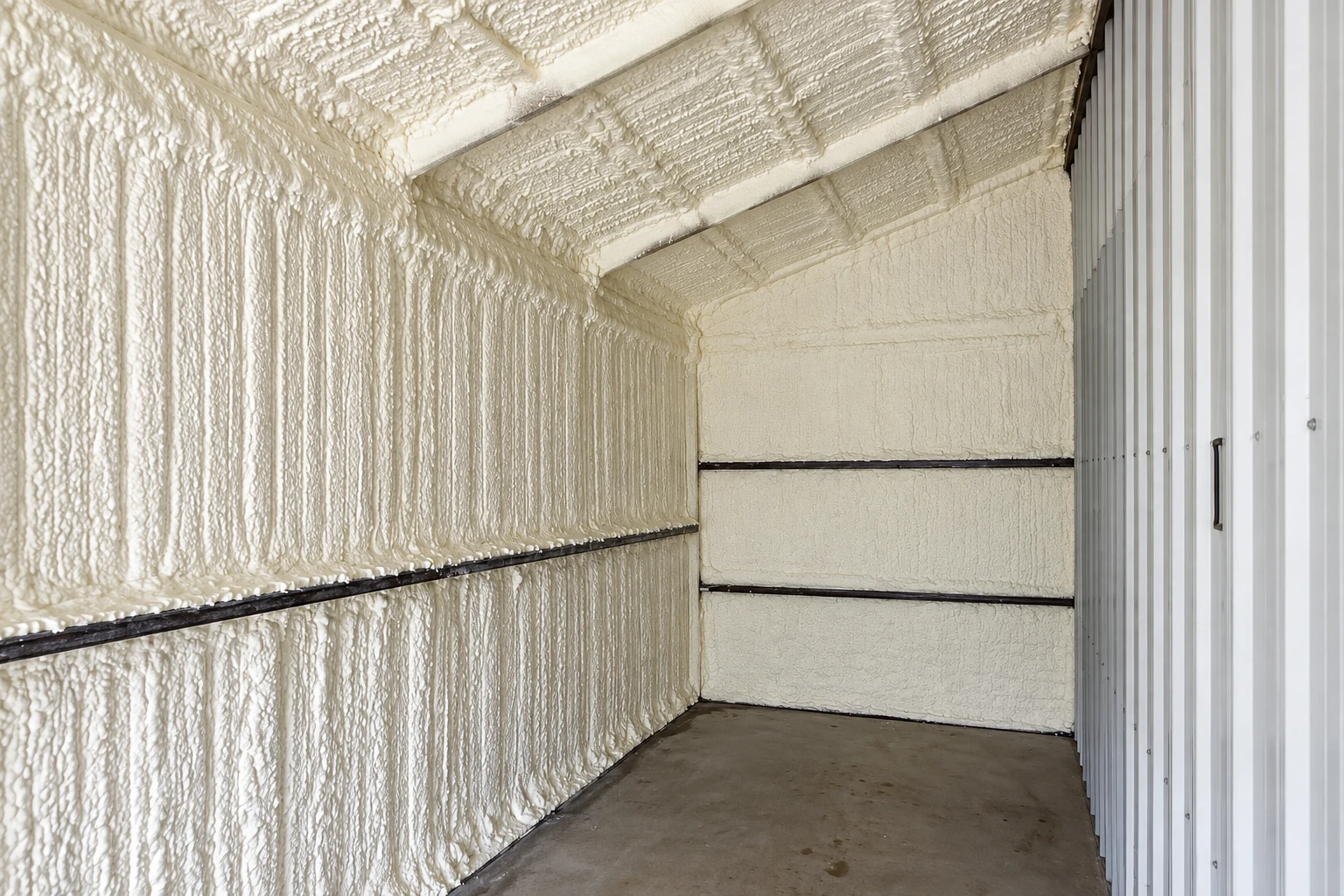
Spray foam makes sense when ducts or a furnace sit in the attic, because it seals air and insulates in one layer. It costs more, so I'll tell you when it isn't worth it.
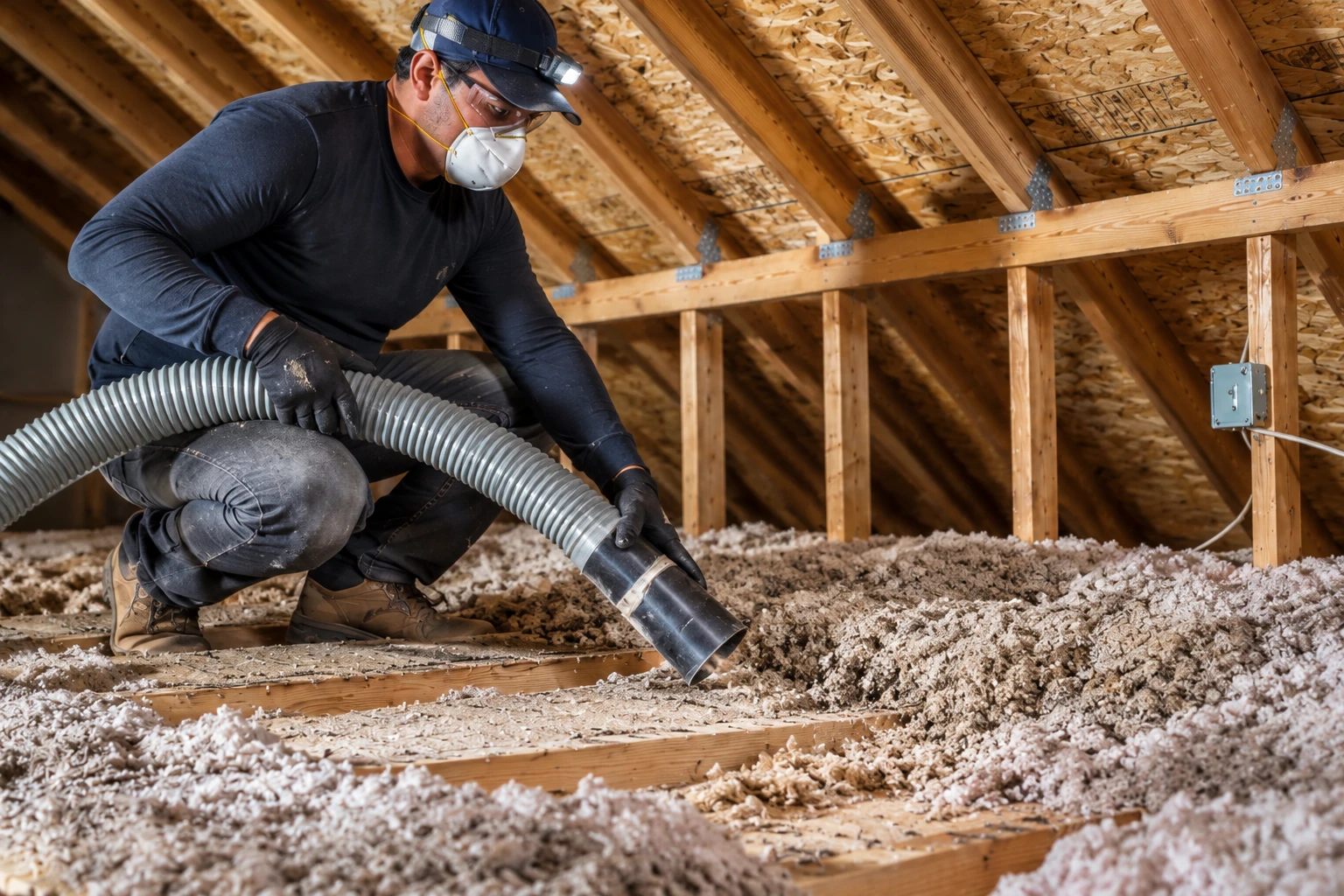
If upstairs runs hot and the attic has only a few inches left, we seal the gaps first and then bring the whole attic floor up to an even depth, edges included.
Blown-in insulation is loose fill sent through a hose, so it settles around joists and wiring in older attics where rolls leave gaps. It's usually the most practical way to top up.
When several rooms feel off at once, we look at the attic, walls and crawl space together, so you fix the house in the right order instead of chasing one room at a time.
Insulation that got soaked by a roof leak or filled with droppings has to come out first. Laying new material over it just keeps the problem in your house.
Cold floors in a house built over a crawl space usually trace back to what's under it. We insulate between the floor joists and seal the openings that let cold air in.
Outside walls in older homes are often empty or close to it. We fill them so the rooms along the outside stop feeling chilly, working from inside or outside depending on the wall.
Air sealing means closing the gaps around pipes, wires, lights and the attic hatch before insulating. Skip it and the new insulation spends its life fighting a draft.
Where a house has a basement, insulating its walls keeps the floors above warmer and makes the space easier to use. We check for dampness first, since insulation over a wet wall causes trouble.
Closed-cell foam is a dense foam that also blocks moisture, so it suits rim joists, crawl space walls and other spots that see damp air. It's the costlier choice, used where it pays off.
Open-cell foam is lighter and softer, and it fills odd cavities and rooflines well while sealing air. It suits an attic roofline where the ductwork lives, but not damp areas.
Property managers in Burlington call us for offices, shops and other buildings. I learned this trade on commercial crews, so we plan the work around tenants and business hours.
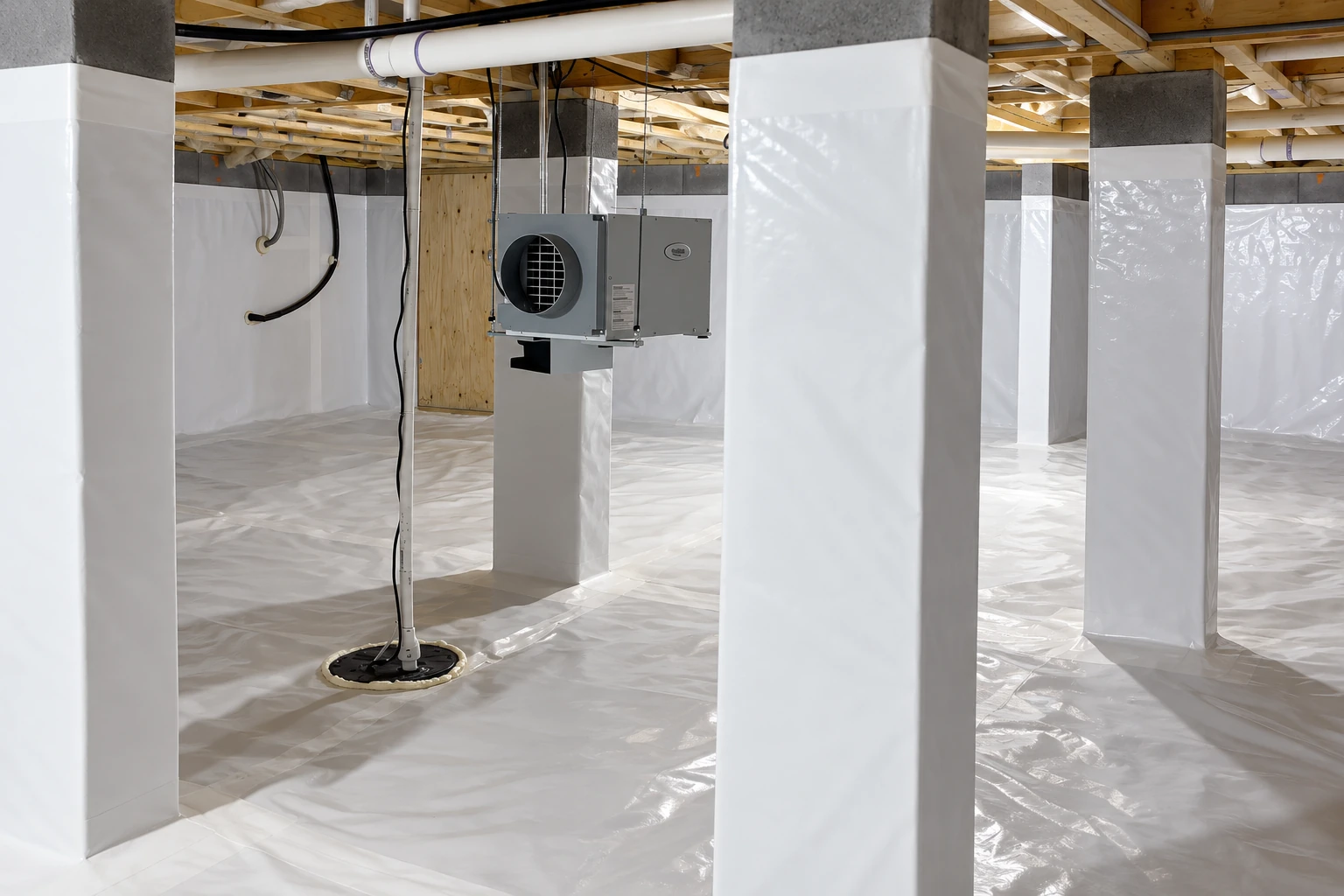
A vapor barrier is a heavy plastic sheet laid over the crawl space dirt so ground moisture stops rising into the framing and insulation. Under an older home, it's often the first step.
We put vapor barriers wherever moisture would otherwise reach the insulation, such as basement walls and crawl spaces, and we place them on the side your house needs.
Before anything goes into the attic, we seal around can lights, the hatch, pipes and wires. It's the step that most often gets rushed, and it decides how well the rest works.
Retrofit means adding insulation to a finished house without tearing it apart. We work through attics, crawl spaces and small openings in the walls, so your rooms stay livable.
Send the form and we'll reply within one business day to set a time. I come out to Burlington myself, look at the attic or crawl space, and write you a free on-site estimate, then walk you through each line. There's no obligation.
(919) 246-8605In Burlington, permits and inspections go through the city rather than the county, so the city's Inspections Department is where to ask whether your insulation job needs one. Its list of residential permits names work like additions and new homes, not insulation, so before we start we check with the city for your address. Where a permit is needed, we handle the paperwork and meet the inspector, and the inspection goes on the schedule.
Here's what you can check about a contractor here. The state requires a general contractor to be licensed when the whole project is valued at $40,000 or more, and you can look one up with the North Carolina Licensing Board for General Contractors. The city doesn't require a business license for most companies, so a missing city license isn't a warning sign. We're licensed and insured, and I'm glad to show you.
The price turns on how much old insulation has to come out, how much sealing comes first, how hard the attic or crawl space is to move around in, and whether you need foam or loose fill will do the job. The schedule mostly turns on removal and on any permit. Your written estimate spells out each piece, the same way we do it in Carrboro.
I learned this trade on commercial crews, spraying foam and fitting board in warehouses, schools and office buildings, and that's where I saw that most insulation problems trace back to a step someone rushed. I started this business in Durham in 2013 to bring that same care to houses. Thirteen years on, we're best known for explaining what's going on in your attic or crawl space before we touch it.
I come out to look at the job and write the estimate myself, and our trained installers do the work with a crew lead on site, so the person running your job knows what I told you. I'd rather lose a job by being straight with you than win it by skipping a step. Satisfaction guaranteed. Call (919) 246-8605 or use the estimate form to set up a visit.
Most of what changes an insulation job here comes from the age of the house, what's under it and what's above it. These are the things I look for first on a Burlington visit.
A lot of the older houses we see here sit on crawl spaces, and that's usually where cold floors start. Ground moisture rises, old insulation between the joists sags or drops out, and air moves freely under the floor. We lay a vapor barrier over the dirt first and then insulate and seal, because insulation under a damp floor just holds water against the wood.
Older attics often hold insulation that was soaked by an old roof leak or filled with droppings. New material laid over that keeps the problem in your house, so we pull it out first. When we refill, we keep insulation clear of the vents at the eaves so the attic still breathes, and we build the edges up as well as the middle.
When your ductwork runs through the attic, I'll often point you to foam on the roofline, so the ducts end up inside the insulated space. Foam costs more, and it seals air while it insulates. If the attic has no ducts, sealing the gaps and topping up with blown-in insulation usually gives you most of the benefit for less, and I'll tell you which your house calls for.
If your house is in one of Burlington's locally designated historic districts, exterior work needs a Certificate of Appropriateness, which the Historic Preservation Commission approves and the city's Planning Department issues. Most insulation goes in from inside, so it doesn't usually come up. When filling a wall means working from outside, we'll talk about it at the estimate so you can ask the city before anything changes on the outside.
There's no fair number until I've been in your attic or crawl space, because two houses on the same street can need very different work. Removal, air sealing and foam all add to the price, while topping up a clean attic with loose fill usually costs the least. I put your figure in writing and walk you through each line.
On permitted building work, the city's inspectors are required to check the footings, any slab work, the foundation, rough-in, framing, insulation, fire and the final. Those checks follow the state building codes the city has adopted. If your job carries a permit, we plan around the insulation inspection and meet the inspector.
Usually not for blown-in insulation or air sealing, since the work happens in the attic or crawl space and you can stay home. Spray foam is different. You'll need to be out until the re-entry time, the wait before people and pets can come back, that the foam maker sets, and I'll tell you that time before we schedule.
Clear a path to the attic hatch or pull-down stairs and move anything stored right around it, because the crew needs room for hoses and materials. If you keep boxes in the attic, those usually need to come down so we can seal and fill evenly. We cover the floors along the way in.
A straightforward top-up goes much faster than a job where old insulation has to come out first, and that's the biggest difference in timing. Foam adds the wait before you can go back inside, and if your job needs a permit, the inspection goes on the calendar too. I'll lay out how the days go when I give you the estimate.
Our hours run until 10 PM on weekdays and start at 6 AM on weekends, so call (919) 246-8605 or send the form whenever it suits you.