Sealcraft Durham Insulation CompanySealcraft Durham Insulation Company

Vapor barrier installation in Durham NC - a drier crawl space under your floors

Musty smell or damp air coming from the crawl space? We cover the soil with a liner so the space under your house stays drier.

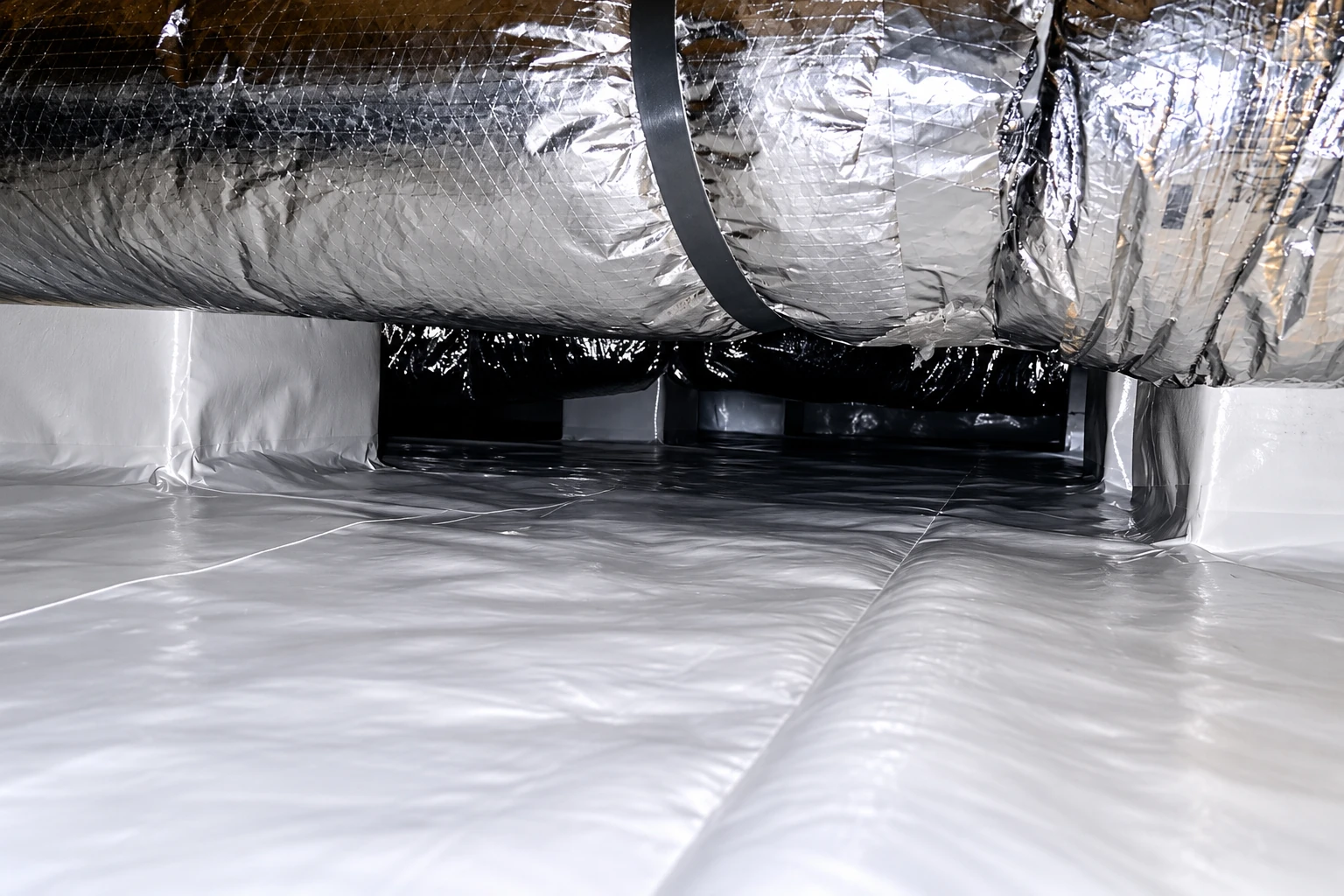
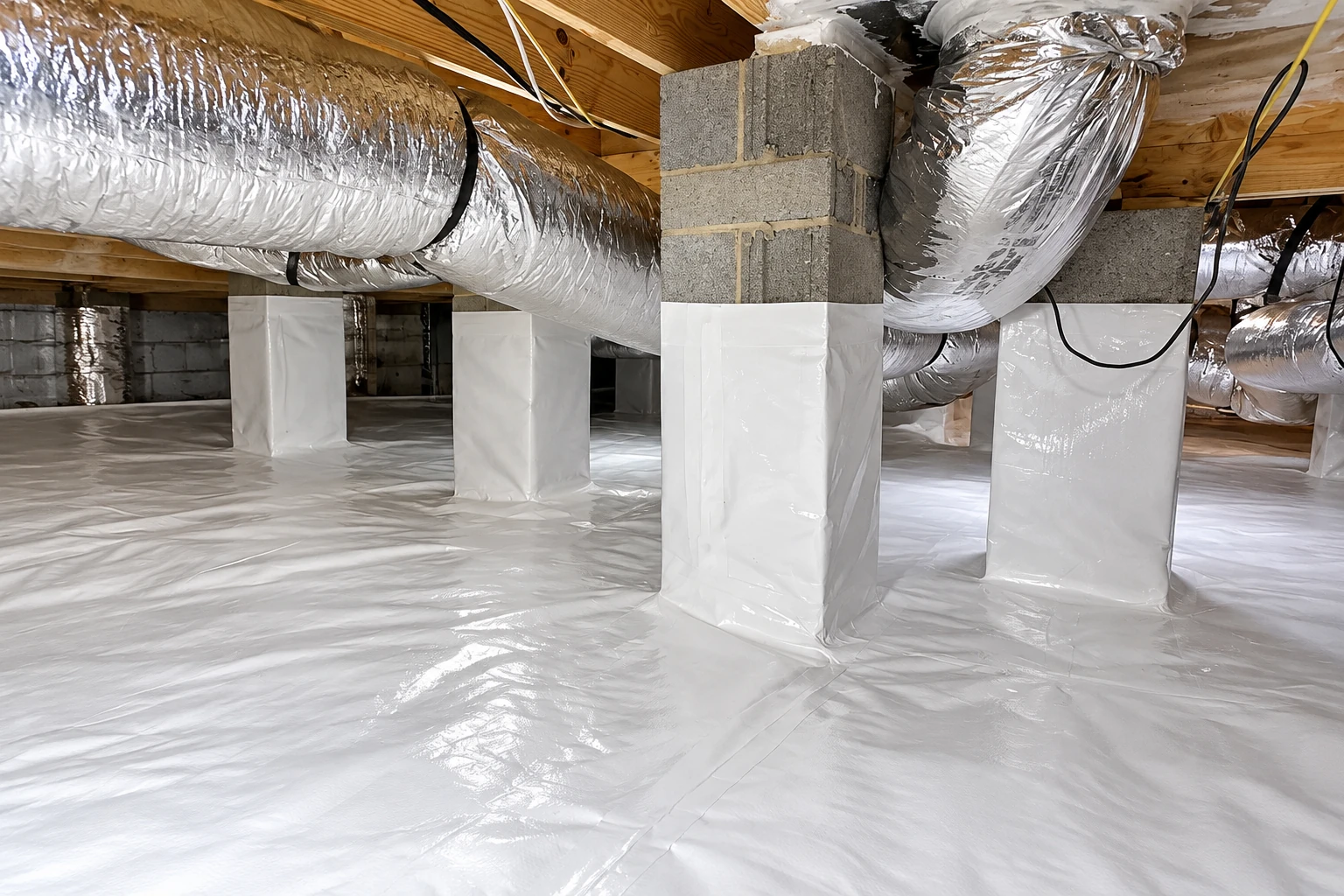
White vapor barrier sheeting covers a crawl space floor and wraps around concrete support columns beneath ductwork.

Vapor barrier installation in Durham, NC means we cover the bare dirt in your crawl space with a heavy plastic liner, so moisture from the ground stops rising into the floor framing and into the air your house pulls up from below.

Do I need a vapor barrier in my crawl space?

Most calls start with a smell. The house is musty, the floors feel damp, or someone looked in the crawl space and found bare dirt. A liner over the soil is part of a dry crawl space, but only one part. The bigger choice is a liner alone or a closed crawl space, where the vents and walls get sealed too so the space is treated like part of the house.

The price moves with the size of the crawl space, how much room there is to work, what has to come out first, whether water is getting in, and how far up the walls the liner runs. Closing the space costs more because it adds equipment and a permit, and that's also what stretches the schedule, since the work waits on permits and inspections. Your written estimate breaks out each part, and I walk you through every line.

If your plan grows past the liner into closing the space, new floor insulation and electrical work, the total climbs. North Carolina law requires a general contractor to be licensed when the total project cost is $40,000 or more, so on a job that size, the contractor running it has to hold that license.

What a crawl space liner can and can't fix

A liner is simple material, but where it goes and what's sitting above and around it decide whether it works. These are the three things I look at before I'd quote one.

Ground moisture, not leaks

The liner stops moisture from rising out of the soil, which is the slow, steady source most crawl spaces have. It won't stop water running in through a crack in the foundation or a low spot by a downspout, so that has to be found and dealt with first, or the plastic just holds a puddle.

How high it goes on the walls

One liner maker's instructions stop the wall section below the sill plate, the wood board the house framing sits on, which leaves bare wall for pest inspections. That strip matters if you have a pest contract, because the inspector still needs to see that wood.

Old insulation in the floor above

If the batts, the fiberglass blankets between the floor joists, are wet, sagging or full of droppings, a new liner below won't fix them, and leaving them up there keeps the smell. I'd rather point that out on the estimate than have you find it a year from now.

What happens after you call us about your crawl space?

Here's how a vapor barrier job goes with us, from the first call to the walk-through at the end, and who you'll be dealing with at each step.

  1. 1

    Call or send the form

    Call (919) 246-8605 or fill out the form and tell us what you've noticed, like a musty smell or damp floors. We'll get back to you and set a time for me to come out.

  2. 2

    Walk the crawl space with me

    I come out, look at the crawl space with you, and explain what I see and what I'd do first. Then you get a written estimate, and I go through each line so nothing on it is a mystery.

  3. 3

    Let our crew do the work

    Our trained installers do the job the way we planned it, with a crew lead on site. If the plan includes closing the space, the permit and inspections come first.

  4. 4

    See what we did

    Before we leave, we show you the finished liner and anything else we did down there. You'll know what was done and why we did it in that order, which helps when you make choices about the house later.

Request an estimate

How we handle vapor barrier installation

First we clear out the crawl space, because a liner laid over old boards and loose debris gets punctured and won't lie flat. Anything that can't be moved, we cover. Then we look for water coming in, since a liner over an active leak only hides it. Once that's settled, we lay the liner over the soil.

We also take a humidity reading down there so you can decide whether a dehumidifier belongs in the plan. My own lean is to start with the liner and that reading rather than close the space on day one, because the number tells you whether the extra equipment will earn its keep.

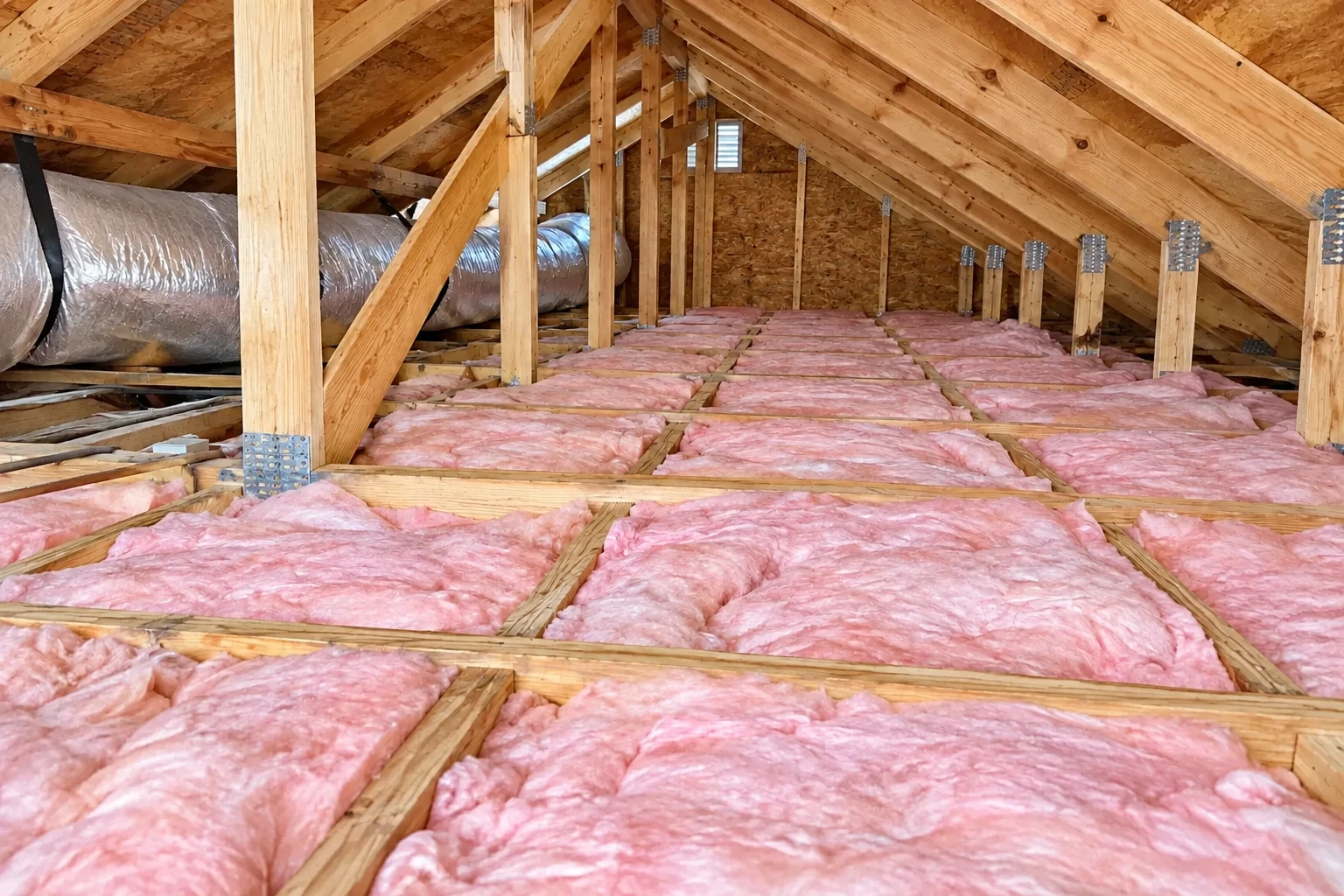
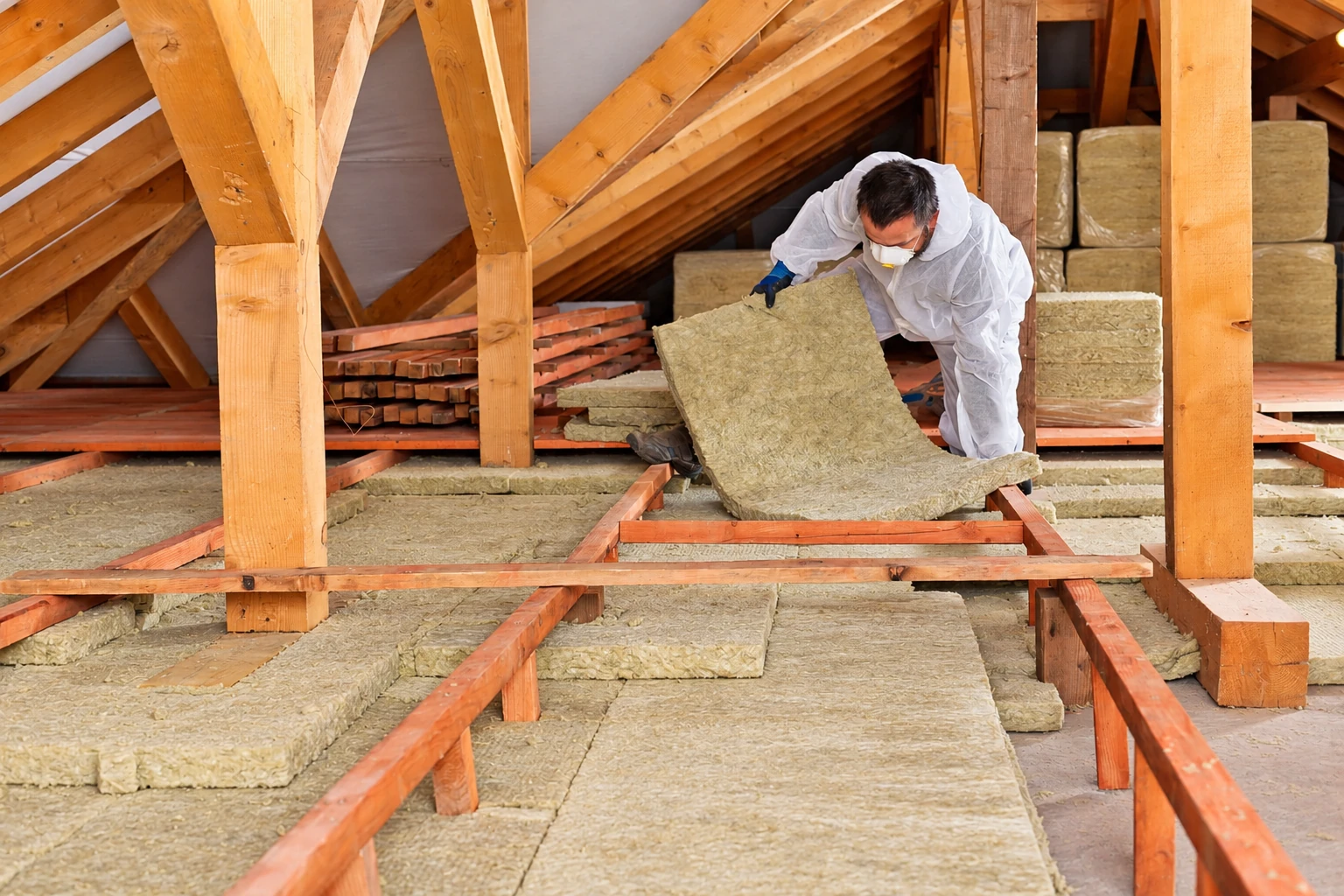
A damp crawl space is often one of a few problems in the same house. If the rooms upstairs run drafty, attic air sealing closes the gaps around lights, pipes and the attic hatch before anything else goes up there. If the floor insulation over the crawl space has to be replaced, or the walls never had much, retrofit insulation adds it to a house that's already finished.

A liner over the soil

The liner covers the dirt and the vents stay as they are. It's the simpler job, it handles moisture from the ground, and it leaves room to close the space later if the humidity reading says you should.

A closed crawl space

The vents and walls get sealed too, and then the space needs steady moisture control, like a permanent dehumidifier or ducted air from your air conditioning. A dehumidifier also needs an outlet and a drain or small pump for its water.

Get a written estimate for your crawl space liner

Send the form and we'll reply within one business day to set up a free on-site estimate. I'll come out, look at the crawl space with you, and leave you with a written estimate, and there's no obligation to go ahead.

(919) 246-8605

info@durhaminsulationcompany.com

Vapor barrier installation in Durham and the permit question

In Durham, the City-County Building & Safety Department handles permits for both the city and the county. It requires a building permit for any project with load-bearing work or over $40,000 in market value. A liner by itself isn't named on that list, which doesn't settle whether your job needs a permit, so before we start, we check with the permit office that covers your address.

Closing the space is a different story. The state fire marshal's office requires a permit to convert a regular crawl space to a closed one, whatever it costs, and that one permit covers the building, mechanical and any electrical inspections. Durham requires electrical permits for wiring and equipment and mechanical permits for heating, cooling and ventilation, which is where a dehumidifier outlet or ducted air comes in. Where a permit is needed, we handle the paperwork and meet the inspector.

We're based in Durham and work here and in the cities around it, including Raleigh, Chapel Hill, Cary and Burlington. Plenty of the houses we see sit on crawl spaces with vents in the foundation walls and either bare dirt or an old sheet of plastic that's torn or bunched up. If you're not sure we come to you, just ask.

Why Durham homeowners call Sealcraft Durham Insulation Company for a vapor barrier

I learned this trade on the crews of a big commercial insulation company, spraying foam and fitting board in warehouses, schools and office buildings. What stuck with me is that most insulation problems trace back to a step someone rushed. I started this business in Durham in 2013 to bring that care to homes, and in a crawl space that means the clearing and the leak check get the same attention as the liner.

The person who looks at your crawl space and writes your estimate is me, and our trained installers do the work with a crew lead on site. We're licensed and insured. If something down there looks bad, I'll tell you plainly, even if it means a smaller job for us. Satisfaction guaranteed. When you're ready, call (919) 246-8605 or send us the form and I'll come take a look.

Attic air sealing

Sealing the gaps at the top of the house slows the draft that pulls damp crawl space air up through your rooms.

Retrofit insulation

When the floor over the crawl space stays cold or the old insulation has to come down, this adds new insulation to a house that's already built.

Where we install vapor barriers around Durham

We're based in Durham and do this work across the cities around it. Find your city below, and if it's not listed, ask anyway, since these aren't the only places we go.

Questions about crawl space vapor barriers in Durham

Should I close my crawl space or just put down a vapor barrier?

Closing it keeps the space drier, but it's a bigger job than a liner alone. In a field demonstration, closed crawl spaces stayed substantially drier than vented ones during humid weather, and those houses used less heating and cooling energy, though the study was on new homes. Closing adds moisture control equipment and a permit, which is why I like to see the humidity reading first.

Do I need a permit for a crawl space vapor barrier in Durham?

If we're closing the crawl space, yes, the state requires a permit for that conversion no matter what the job costs. For a liner alone, the city's permit list doesn't settle it, so we check with the office that covers your address before we start, as the permit section above explains.

How thick should a crawl space vapor barrier be?

NC State Extension says the soil should be covered with at least 6 to 8 mil plastic, a mil being a thousandth of an inch. That's a useful floor to hold each quote against, so look for the thickness written on every estimate you get.

How do I know if my crawl space is too humid?

NC State Extension suggests keeping crawl space humidity below 60% and checking it with a moisture meter or a humidistat, a gauge that reads the moisture in the air. When it runs higher than that, they suggest a dehumidifier. If you don't own a gauge, the reading we take while we're down there gives you a number to start from.

How much does vapor barrier installation cost in Durham?

Your price comes from a written estimate after I've seen the crawl space, because size, clearing and the plan you choose change it a lot. A liner alone costs less than closing the space, and a thicker liner or one that runs up the walls costs more than a thin sheet on the dirt. Each part shows up on its own line.

Do I need to leave the house while you install a crawl space vapor barrier?

Usually not, since there's no spraying or curing with a plastic liner and the work happens under the house. How long we're there turns on the clearing and any water we find, and closing the space adds permit time. Before we come, clear a path to the crawl space door and keep pets away from it.

Tell us about your crawl space today

Call (919) 246-8605 or send the form, and if you can, mention whether the crawl space has vents in the foundation walls and whether you've seen water down there, so I know what to look for first.

(919) 246-8605Request an estimate