Sealcraft Durham Insulation CompanySealcraft Durham Insulation Company

Closed-cell foam insulation in Durham, NC - sealed walls that won't soak up water

Cold floors and a drafty basement? Closed-cell foam seals the air and insulates in one pass, and it won't soak up water.

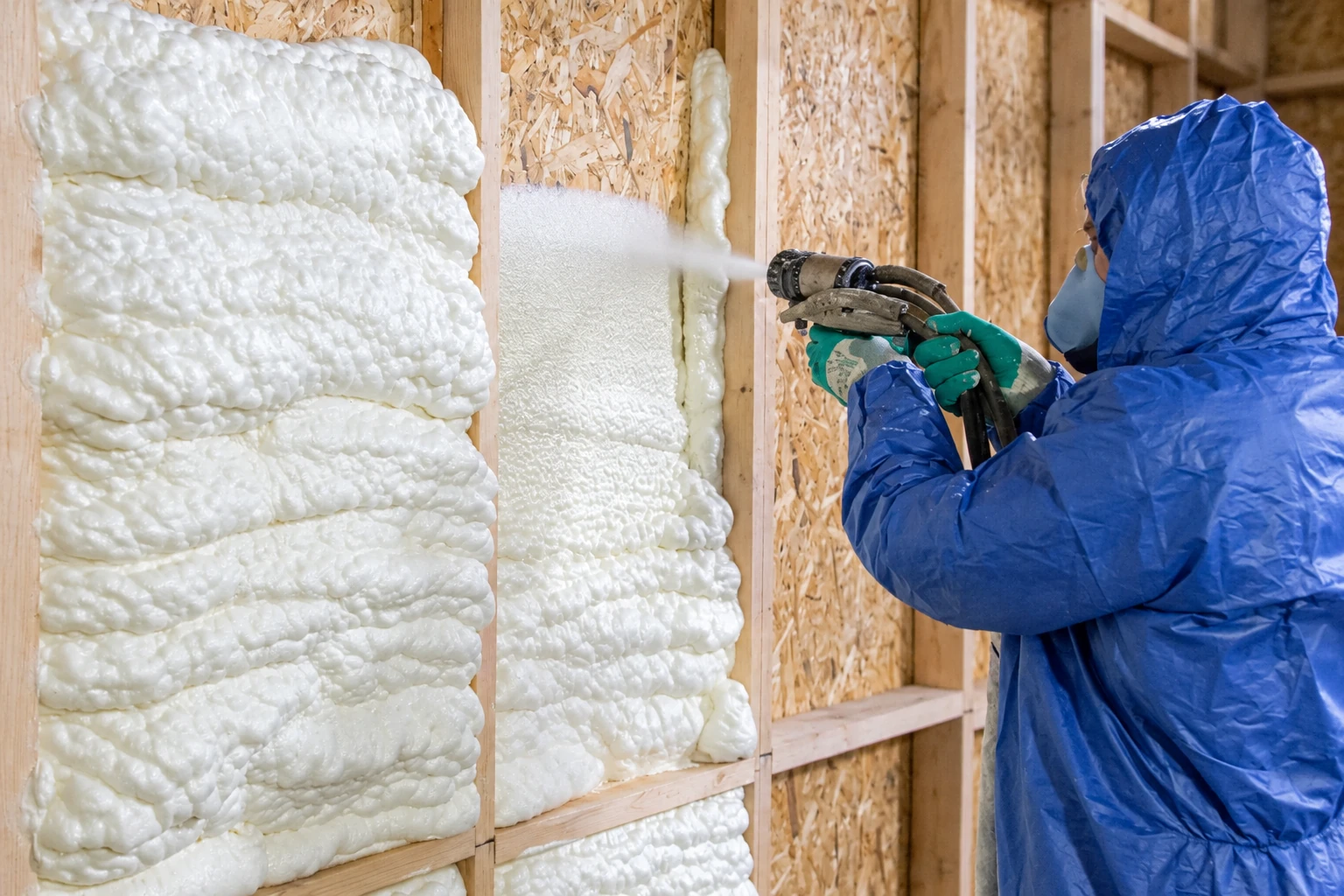
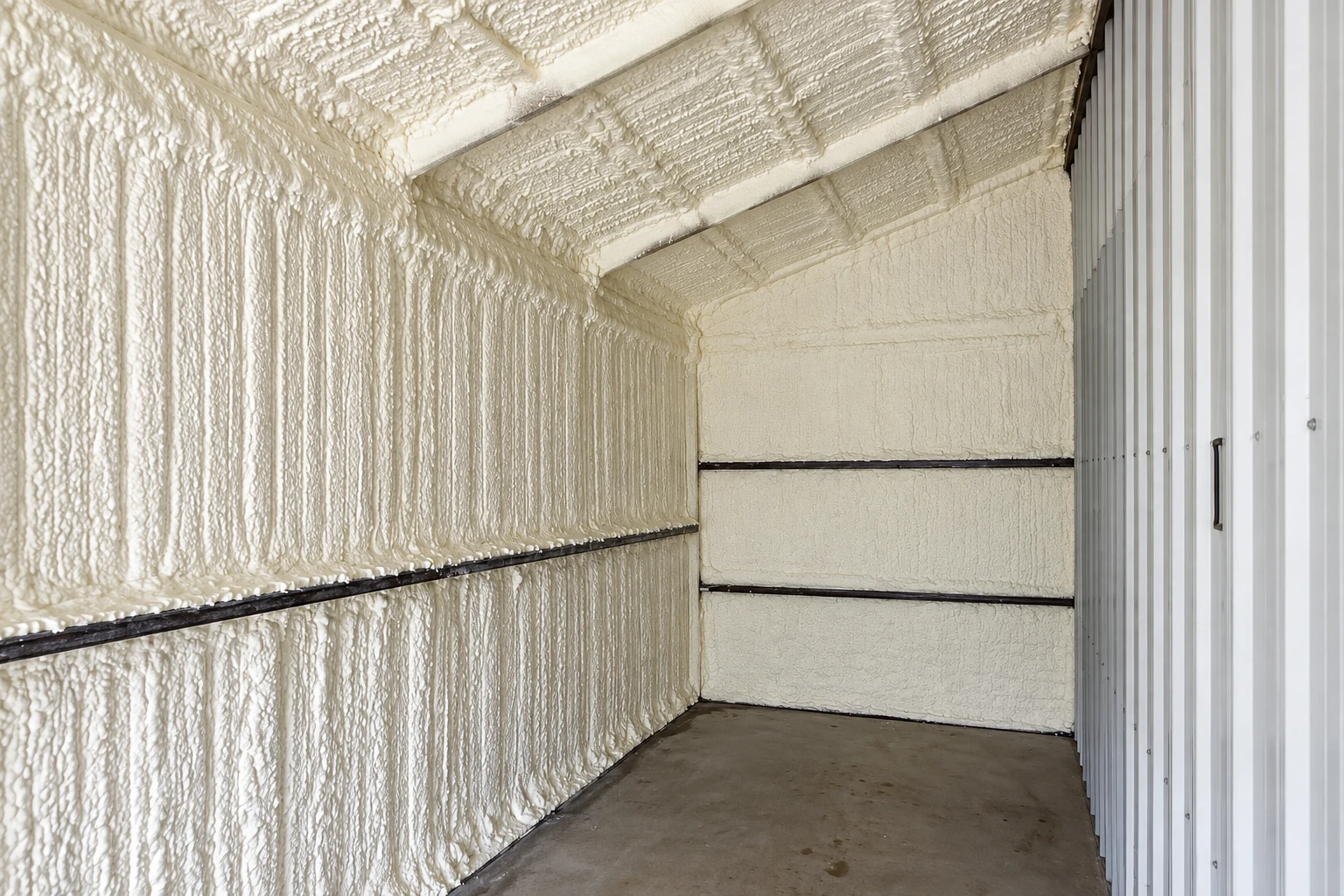
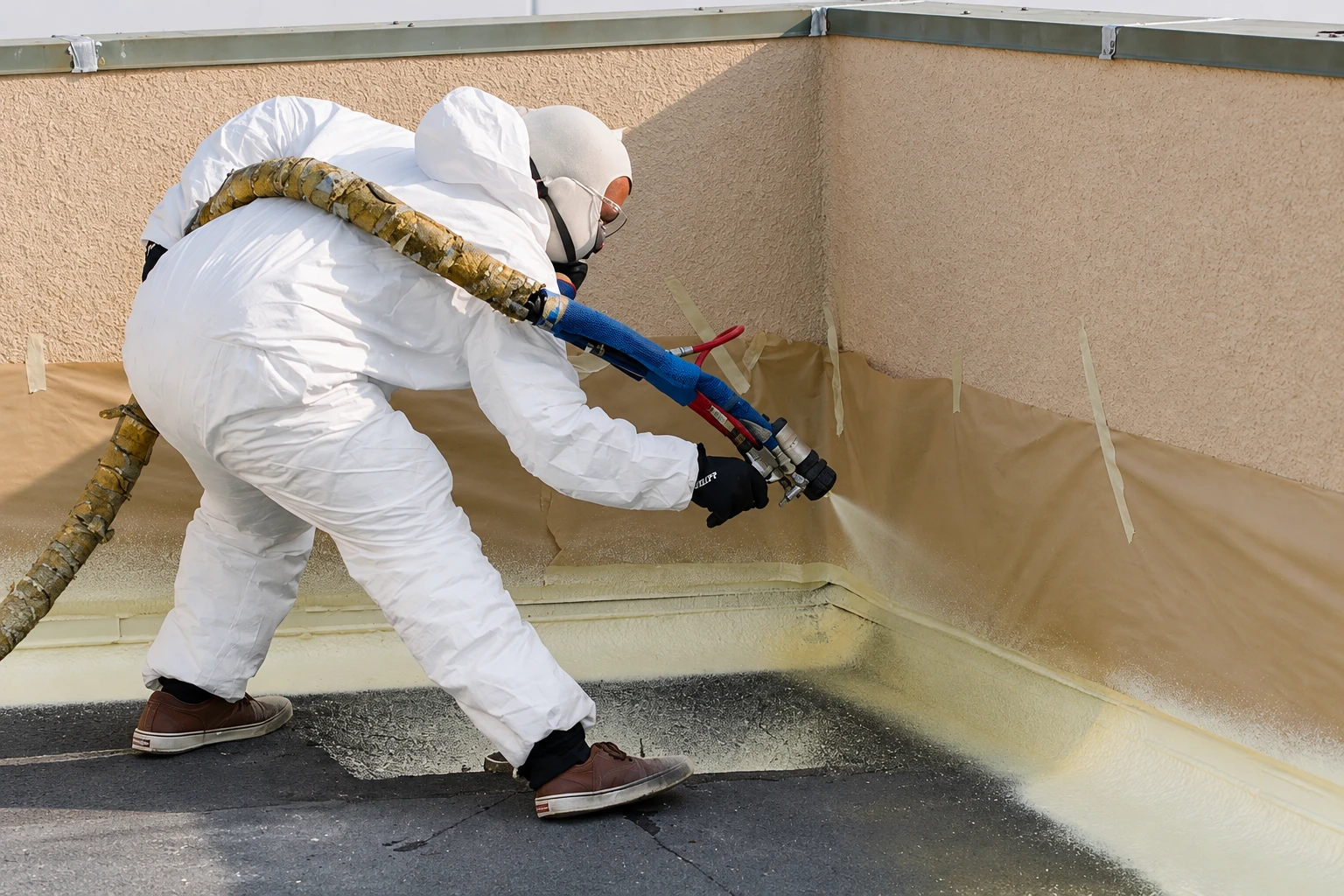
Worker in protective suit sprays foam insulation onto the walls and floor of a flat-roofed structure.

Closed-cell foam insulation is a dense, rigid spray foam that seals air, insulates and holds off moisture in one layer. In Durham, NC homes, it earns its higher price on basement walls, rim joists and a few other tight spots.

Is closed-cell foam worth the extra cost in Durham?

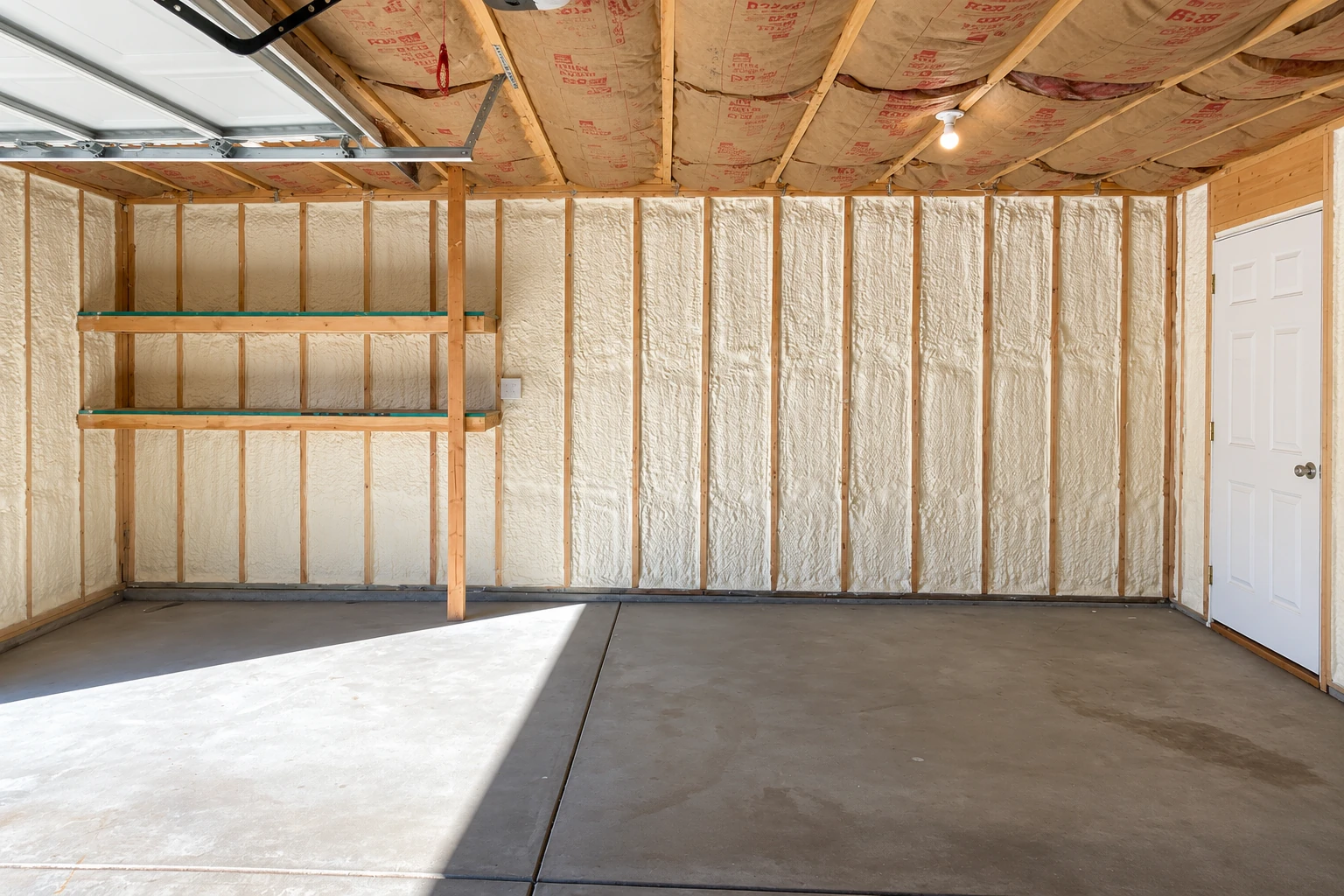
Most people call us about cold floors, a drafty room over the basement or a power bill that seems too high. Closed-cell foam is the dense, hard kind of spray foam. At its normal thickness, moisture vapor can barely get through it, and it won't soak up water. That's why it belongs where drafts and damp show up together, like basement walls and the framing on top of the foundation.

The price turns on how much area we cover, how thick the foam goes, how hard the space is to reach and whether old insulation has to come out first. The schedule turns on getting the space ready and on the time you'll spend away while the foam cures. Your written estimate gives you the figure for your own house. On bigger jobs, North Carolina requires a state-issued general contractor license once a project is valued at $40,000 or more.

Where closed-cell foam does its best work

Where the foam goes matters more than how much of it you buy. These are the spots we look at first in a basement or crawl space, and the mistakes we see when someone rushes them.

Rim joists sealed in one pass

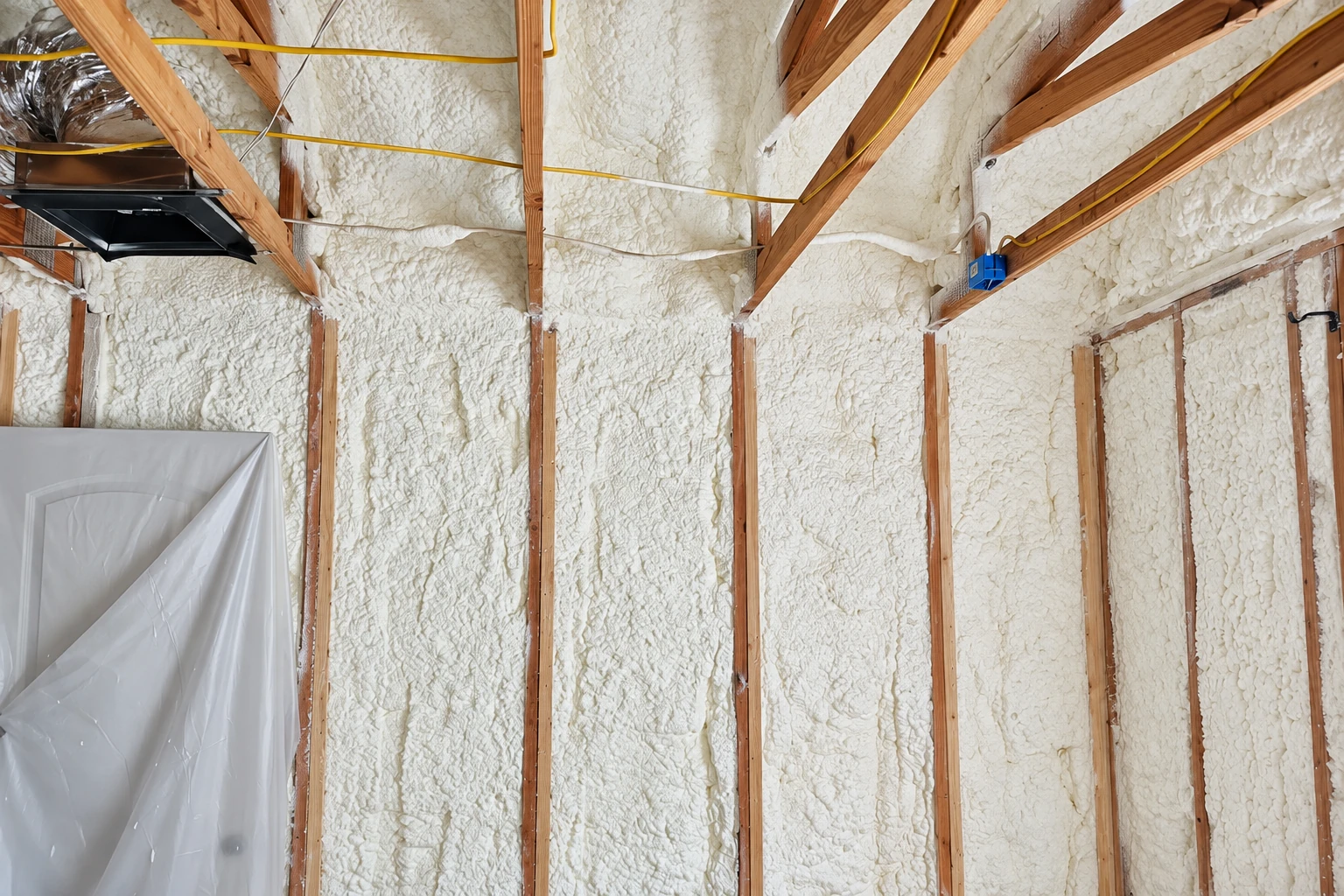
The rim joist is the band of wood sitting on top of your foundation, and it's often the draftiest spot in a basement or crawl space. Spray foam seals and insulates it in one step. Closed-cell counts as an air barrier at a thinner coat than open-cell, which helps in that cramped space.

What comes out first

If the old batts in the rim joists are wet, moldy or full of mouse droppings, we pull them out before any foam goes on. Foam bonds to whatever it hits, and spraying over a problem only hides it, so we want clean, sound wood and block underneath.

Edges and gaps, not just walls

Foam only works if it reaches the edges, around pipes and wires and in the corners where the wall meets the sill. A wall that's thick in the middle and thin at the edges still leaks, so our crew gives the edges the same attention as the open stretches.

What happens after you call about closed-cell foam

Here's how a closed-cell job runs with us, from your first call to the walk-through at the end, so you know what's being done at each step and why.

  1. 1

    Call or send the form

    Call (919) 246-8605, email info@durhaminsulationcompany.com or send the form, and tell us which spaces you're thinking about insulating. We get back to you and set a time for me to come out.

  2. 2

    Walk the space with me

    I come out and look at the basement, crawl space or attic with you. I explain what I see and what I'd do first, and then you get a written estimate that I walk you through line by line.

  3. 3

    We prep and spray

    Our crew gets the space ready and does the job the way we planned it. You'll be out of the house while the foam goes on and cures, and the FAQ below explains how long.

  4. 4

    See what we did

    Before we leave, we show you where the foam went and why we did things in that order. You end up understanding your own house, which helps with every choice you make about it later.

Request an estimate

How we plan a closed-cell foam job

Closed-cell costs more than open-cell foam insulation for a plain reason. It expands less, so it takes more material to fill the same space. I'll tell you straight where that price pays off, like basement walls and rim joists where you want foam that won't soak up water, and where open-cell or a cheaper fix makes more sense.

If you plan to floor the attic or finish it into a room someday, tell me up front, because that changes what has to cover the foam. On commercial insulation jobs, the right closed-cell formulation can also suit low-slope, flat roofs. Property managers get the same straight answer homeowners do about where it belongs.

Seal and top up the attic

In most attics, we close the gaps around can lights, pipes and the hatch, then top up the loose fill. It costs less than foam and usually wins, as long as no ductwork runs up there.

Foam where the ducts live

If your ductwork runs through the attic, foam that seals air while it insulates usually earns its price. Before anything is sprayed, we talk through where it goes and whether closed-cell or open-cell suits it.

Get a written closed-cell foam estimate for your house

We reply within one business day. Then I come out, look at the spaces with you and give you a free written estimate with no obligation.

(919) 246-8605

info@durhaminsulationcompany.com

Closed-cell foam permits and inspections in Durham

In Durham, the City-County Building & Safety Department issues building permits for load-bearing work or projects worth more than $40,000. That doesn't settle whether a foam job alone needs one. Before we start, we check with the permit office that covers your address, and where a permit is needed we handle the paperwork and meet the inspector. With spray foam, the city's insulation inspection wants the installers' certification letter and the required air barriers in place.

Attics have a state rule of their own. If an attic is floored beyond service walkways and platforms, or finished as living space, the foam can't rely on an ignition barrier, a light fire-resistant coating. It needs a thermal barrier instead, a heavier covering such as drywall. We see the same kinds of basements and crawl spaces in Chapel Hill and Raleigh, and we do the same work there.

Why Durham homeowners call Sealcraft about closed-cell foam

I learned this trade on the crews of a big commercial insulation company, spraying foam and fitting board in warehouses, schools and office buildings. That's where I saw that most insulation problems trace back to a step someone rushed. I started Sealcraft Durham Insulation Company in 2013 to bring that care to homes. After 13 years, I still come out myself to look at the job and write the estimate.

Our trained installers do the spraying with a crew lead on site, so someone who knows the plan is there the whole time. We're licensed and insured. Satisfaction guaranteed. If you'd like me to look at your basement, crawl space or attic, call (919) 246-8605 or send us the form.

Open-cell foam insulation

When the foam is going somewhere moisture isn't the worry, open-cell gives you the air seal for less than closed-cell.

Commercial insulation

Property managers with offices, warehouses or flat-roofed buildings can have their insulation planned the same careful way.

Closed-cell foam in Durham and nearby cities

We're based in Durham and work in Durham and the cities around it, including Cary, Burlington and the others listed here. If you're not sure we come to you, just ask.

Closed-cell foam questions from Durham homeowners

How much does closed-cell spray foam insulation cost near Durham, NC?

In nearby Raleigh, closed-cell spray foam usually costs about $1 to $1.50 per board foot, which is one square foot of foam an inch thick. That's the area's going rate, not our price. Your total depends on the area and the thickness, and our written estimate gives you the price for your own house.

How long do we have to stay out of the house after closed-cell spray foam?

You stay out until the foam has finished curing and the house has been aired out and cleaned, which is EPA's guidance. Some foam makers recommend 24 hours before anyone comes back, though it varies by product. Most families plan a night away for themselves, the kids and the pets, and we'll tell you the maker's time for your foam.

Is closed-cell foam good for basement walls?

Yes, federal building guidance rates closed-cell as the preferred choice for basement foundation walls. Sealed tight against the wall, it keeps moist indoor air from reaching the block or concrete. It won't absorb water, so it holds up if water gets in.

What if someone in my house has asthma and we want spray foam?

Read the foam's product information before you book. EPA advises people with asthma, respiratory allergies, skin conditions or a past sensitivity to isocyanates, one of the foam's main ingredients, to review it carefully and perhaps consider other insulation. If that's your household, tell me at the estimate and I'll get you the product details to look over.

How do I get my house ready for closed-cell spray foam?

Clear the area, then let us check the conditions, because spray foam needs the right air and surface temperature, the right humidity and a dry surface to go on well. Sometimes that means adjusting the conditions inside or moving the schedule. We'll tell you what's needed when we plan the job.

Tell me which spaces you want insulated

We answer the phone evenings and weekends too, so call (919) 246-8605 or send the form whenever it suits you, and list the spaces you have in mind.

(919) 246-8605Request an estimate