Sealcraft Durham Insulation CompanySealcraft Durham Insulation Company

Insulation removal in Durham NC - a clean attic floor ready for new insulation

Old insulation that's matted, wet or dirty can't be fixed by adding more. We take it out and leave a clean floor.

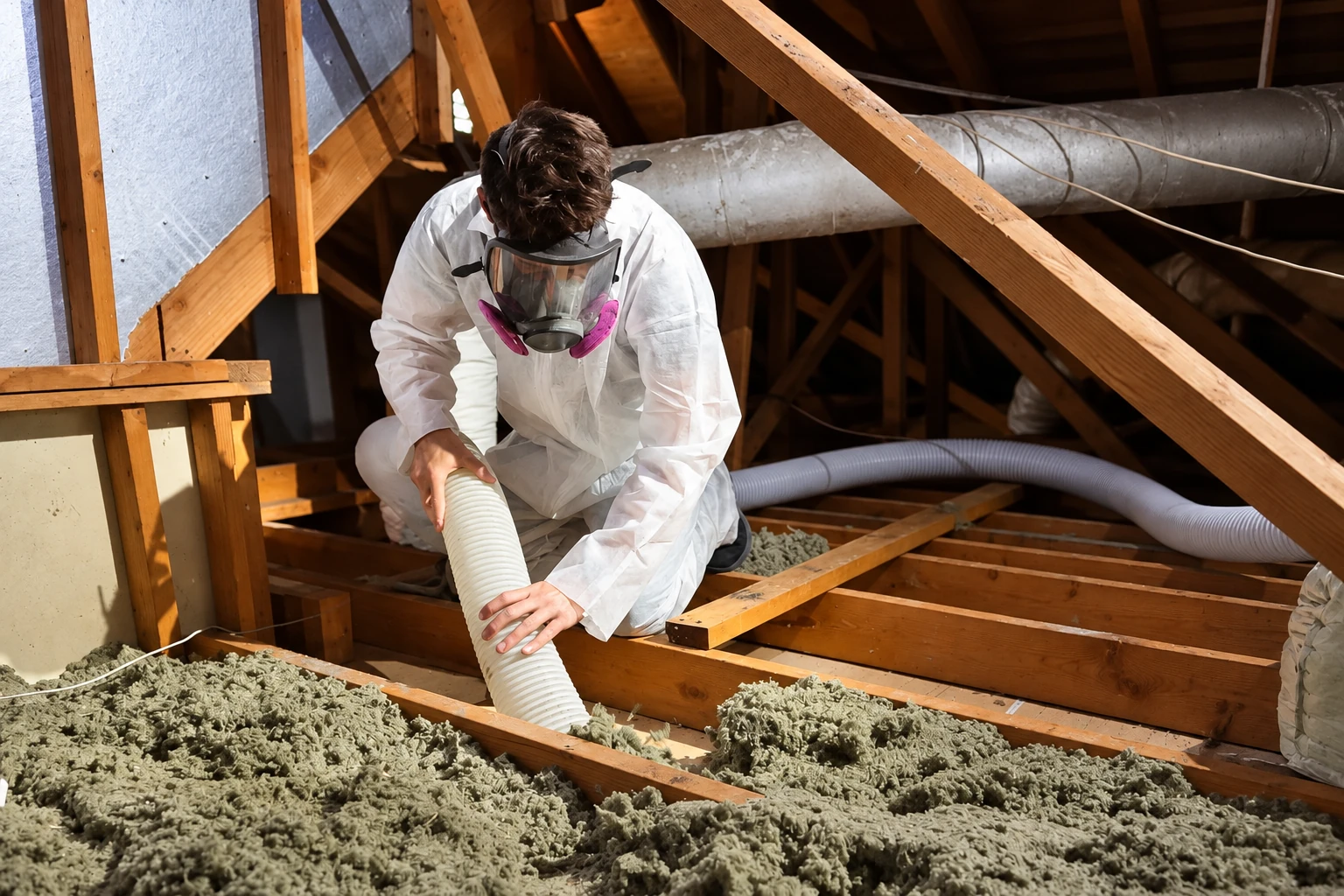
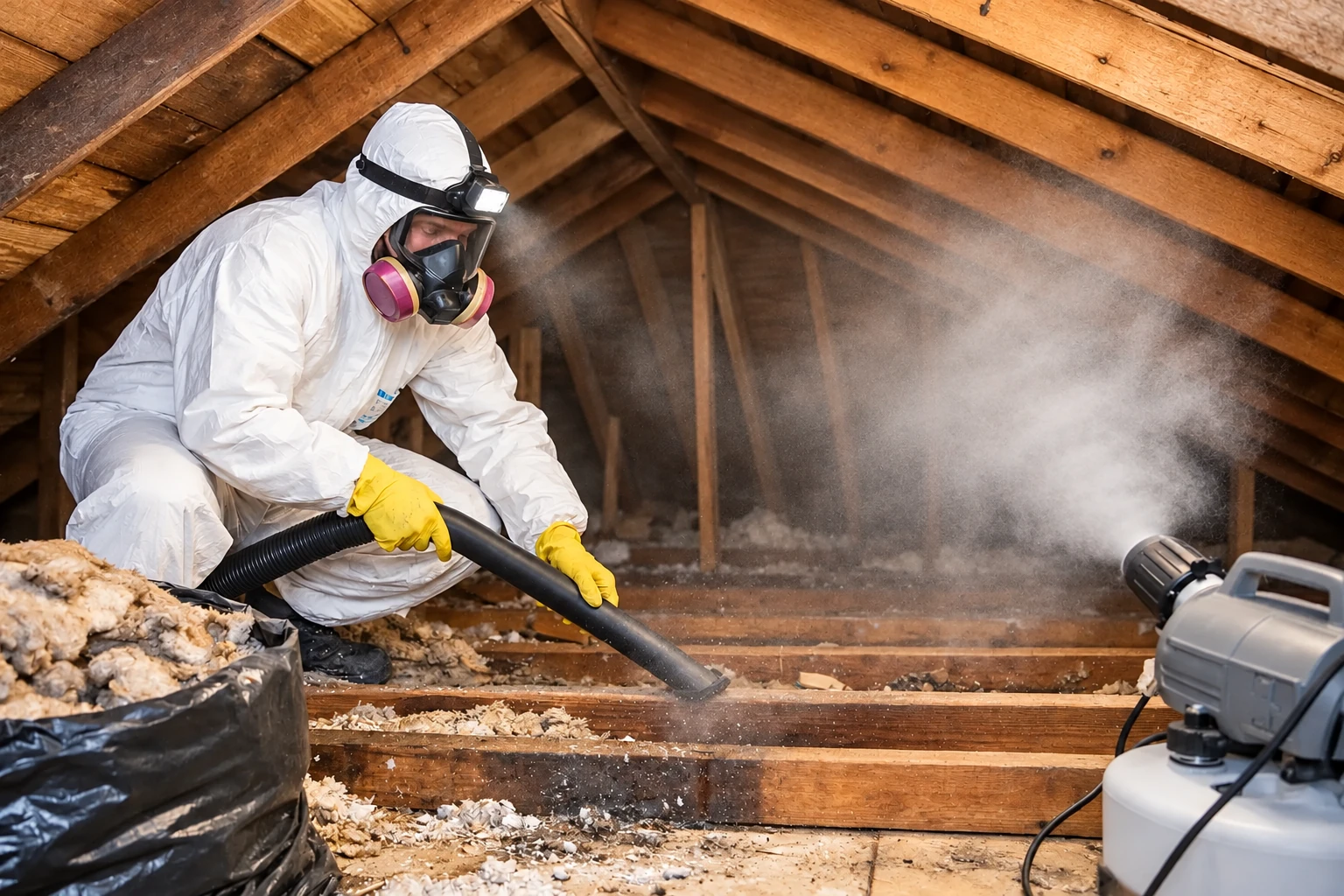
A worker in protective gear removes attic insulation with a vacuum hose as dust rises around the exposed rafters.

Insulation removal in Durham means taking the old insulation off your attic floor, hauling it away and cleaning the floor, so new insulation goes down on a clean surface instead of on top of the problem.

When should old insulation come out of your attic?

Most calls start upstairs. A bedroom stays hot all summer or the power bill keeps climbing, and when someone looks through the hatch, the insulation is matted down, water-stained or dirty. Piling more on top keeps that problem in your house. Taking the old layer out lets us see the attic floor, fix the gaps under it and start the new insulation right.

The price moves with the size of the attic, whether the old material is dry and clean or soiled, how easy the attic is to move around in, and whether you want air sealing and new insulation done in the same visit. The schedule turns mostly on access and on what we find once the old layer is off. Your written estimate puts a number on all of it.

What decides how your removal job goes

Before I quote a removal, I look at three things in your attic. Each one changes who should do the work, what it costs or what we fix afterward.

Pebble-like fill means stop

Vermiculite is a pour-in insulation that looks like small pebbles, usually gray-brown or silver-gold. That look is how you tell a routine removal from one that may involve asbestos fibers. If what you see in the attic matches it, don't dig into it or bag it up. Take a photo from the hatch and leave it be.

Clean or fouled material

Dry, clean blown-in insulation, the loose kind that goes in through a hose, comes out more easily than fouled material, which is insulation that's soaked or soiled. Fouled material costs more per square foot to remove, and the job also includes treating the attic floor so the new layer doesn't sit on the old mess.

What's under the old layer

Once the floor is bare, we can see what the old insulation was hiding. Gaps around can lights, pipes and the attic hatch let air pass straight through, and eave vents along the edges often end up buried. Those get sealed and cleared before anything new goes down, or the new insulation fights the same draft.

What happens after you call about insulation removal

Here's how a removal job runs from the first call to the walk-through at the end, and who you'll be dealing with at each step.

  1. 1

    Call or send the form

    Call (919) 246-8605 or use the form and tell us what's bothering you, whether it's a hot room, a high bill or something you spotted in the attic. We'll set a time for me to come out.

  2. 2

    Look at the attic together

    I look at the attic with you, explain what I see and what I'd do first, and then you get a written estimate. I go through each line with you so nothing in it is a surprise.

  3. 3

    Our crew does the work

    Our crew does the job the way we planned it. If something under the old layer changes the plan, like an old leak or a hidden gap, we stop and tell you before going further.

  4. 4

    See what we did

    Before we leave, we show you the cleaned attic floor and anything we sealed. You'll know what was up there, what came out and what the attic needs next.

Request an estimate

How we do insulation removal

We bag the old insulation in the attic, carry it out and haul it off, then clean the attic floor. That last step is the one people skip, and it's the reason the job is worth doing. New insulation laid over a dirty or damp floor carries the old problem forward, while a clean floor lets the new layer start fresh.

If the insulation looks like vermiculite, we leave it alone. We're not an asbestos abatement company, so we point you to one for that part instead of guessing. Once they've finished, we can come back for the rest of the attic. I'd rather tell you that up front than take on work we shouldn't.

Removal is usually step one. With the floor clean, we air seal, closing the gaps where house air leaks into the attic, and then put in new insulation. If the floors downstairs stay cold, the draft is often coming from below, and crawl space insulation is the next fix. Rooms that stay chilly even with a good attic may need wall insulation.
Seal and blow in loose fill

For most attics, we seal the gaps and blow in loose fill. It costs less than foam and does the job well, so it's what I recommend unless your ductwork runs through the attic.

Foam when ducts live up there

Spray foam costs more, but it seals air while it insulates. When your ductwork runs through the attic, that extra sealing usually earns its price, so that's when I'd point you toward foam.

Get a written estimate for clearing out your attic

Send the form and we'll reply within one business day to set a time for me to come out. The estimate is free, done on site and given to you in writing. There's no obligation to go ahead.

(919) 246-8605

info@durhaminsulationcompany.com

Insulation removal rules in Durham and North Carolina

Durham's City-County Building & Safety Department requires a building permit for load-bearing work or any project over $40,000 in market value. Insulation removal isn't named on that list, so the list alone doesn't settle whether your job needs one. Before we start, we check with the permit office that covers your address, and where a permit is needed, we handle the paperwork and meet the inspector.

Vermiculite brings in the state. North Carolina guidance says an accredited asbestos professional must inspect a building before any demolition or renovation begins, and the state's asbestos office issues its own removal permit once the amount of asbestos material passes set limits. That state permit is separate from any city permit, and a city permit alone doesn't meet the state's rules. How those rules apply to your house is something we sort out at the estimate.

We're based in Durham and work in the cities around it, including Chapel Hill and Raleigh. A lot of the attics we open around here have had insulation added in layers over the years, sometimes on top of material that got wet long ago, which is why we look at what's on the bottom before we quote the top.

Why Durham homeowners call Sealcraft to clear out an attic

I learned this trade on commercial crews, spraying foam and fitting board in warehouses, schools and office buildings, and that's where I saw that most insulation problems trace back to a rushed step. I started this business in Durham in 2013 to bring that same care to houses. I'd rather lose a job by being straight with you than win it by cutting a corner.

I come out and write the estimate myself, and our trained installers do the work with a crew lead on site. We're licensed and insured. Projects of $40,000 or more need a state general contractor license in North Carolina, which you can look up with the state licensing board. When you're ready, call (919) 246-8605 or send the form.

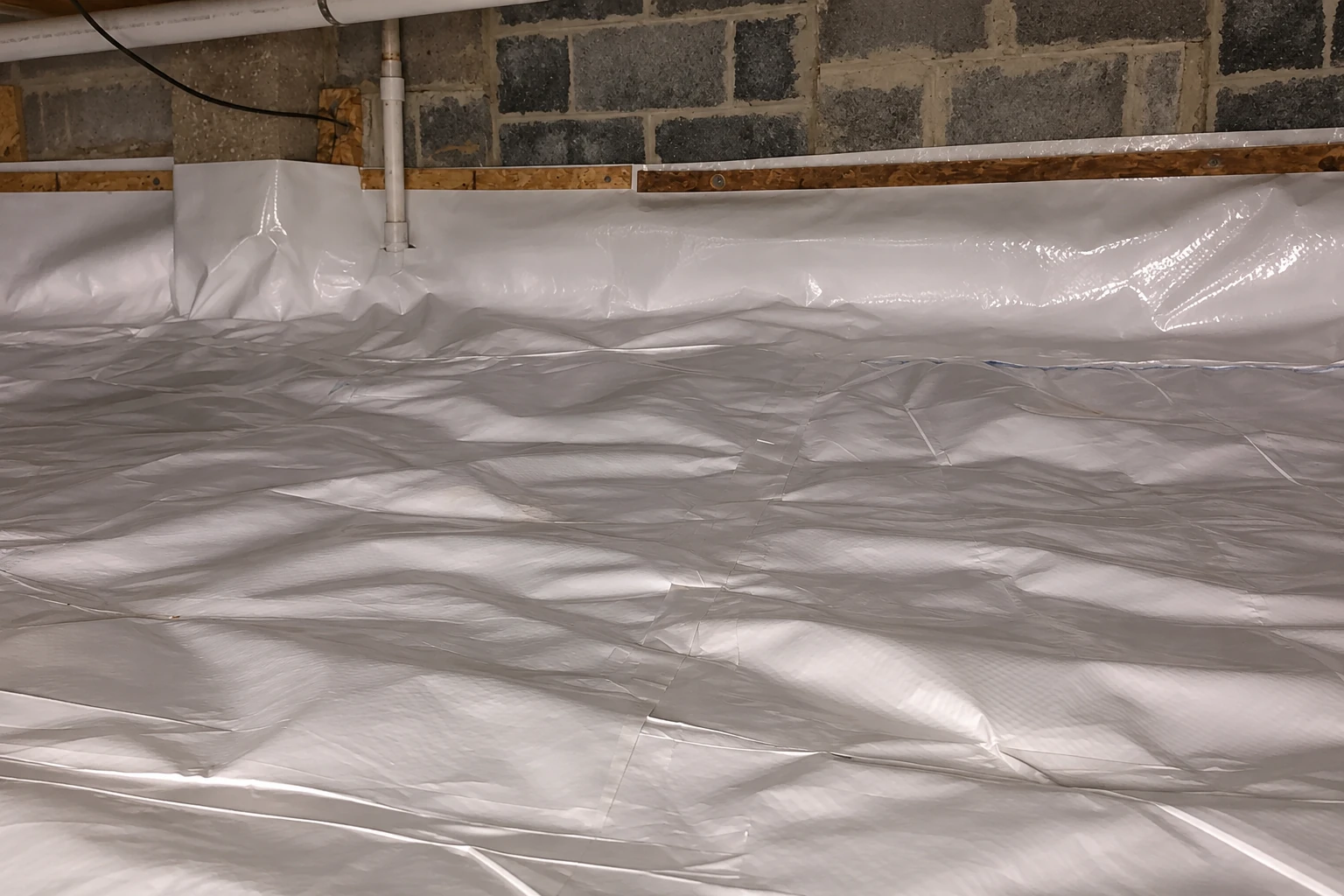
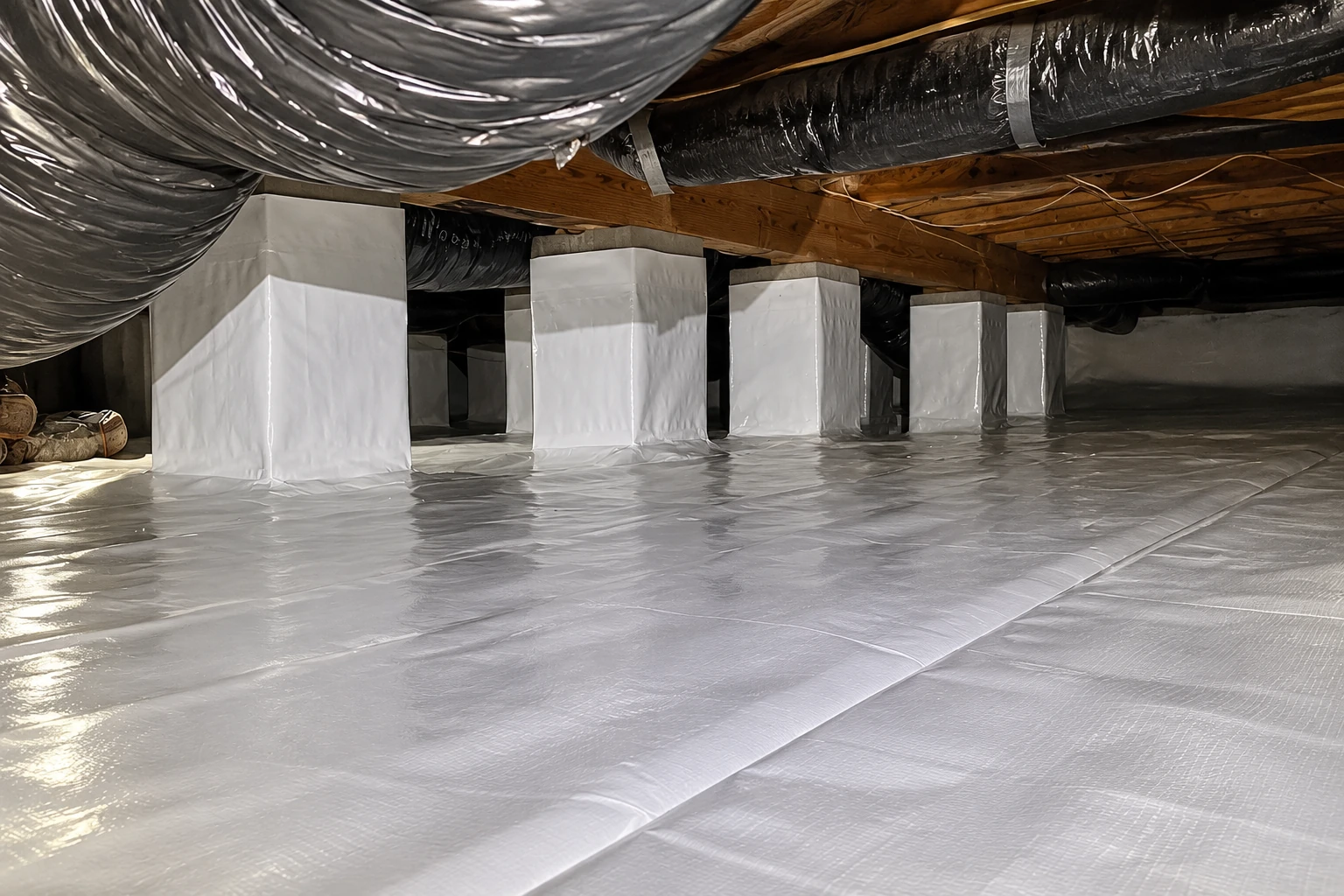
Crawl space insulation

If the floors stay cold after the attic is done, the draft is often coming up from underneath the house.

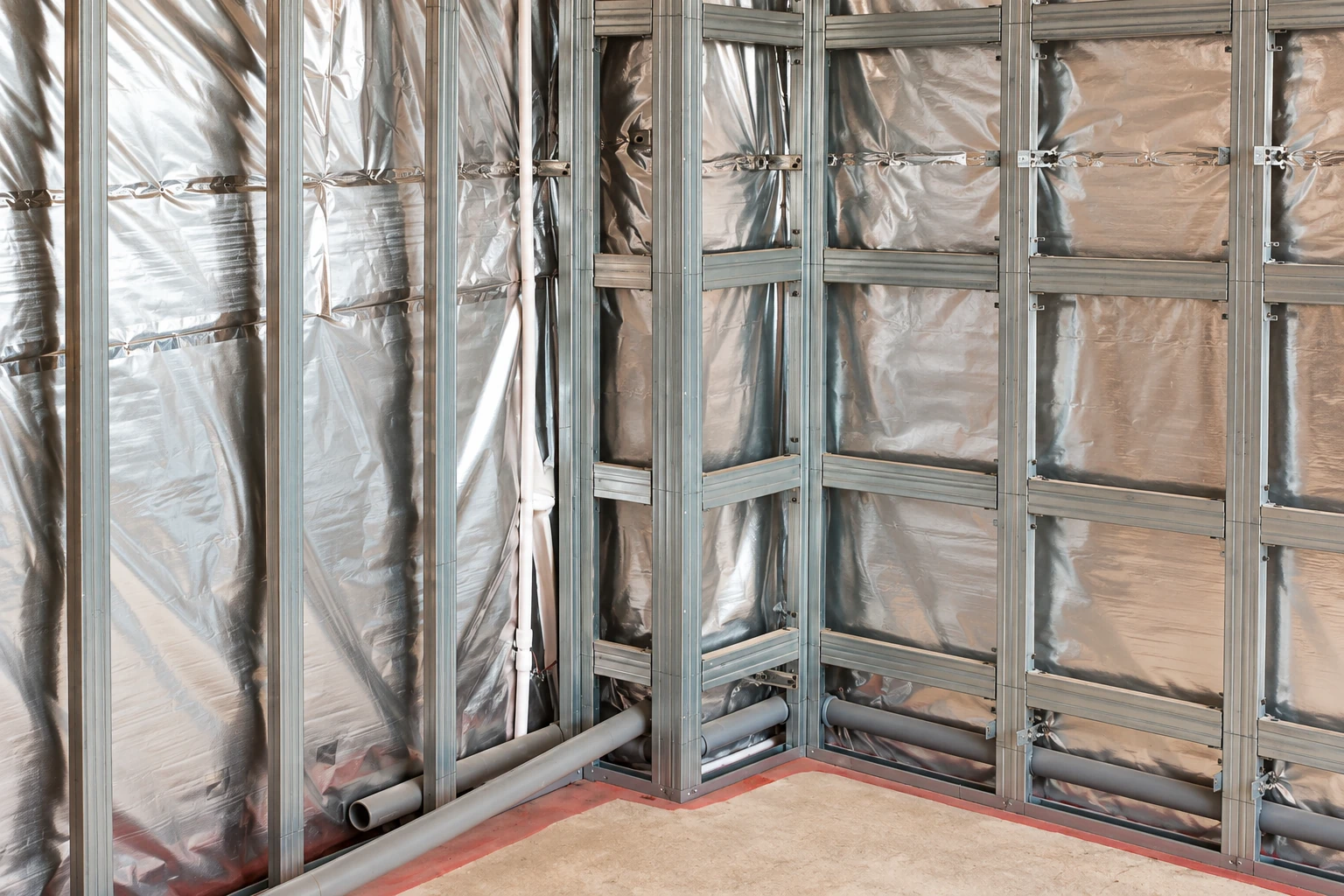
Wall insulation

Outside walls that feel cold to the touch in winter can mean the space inside them is thin or empty.

Insulation removal in Durham and nearby cities

We take on removal jobs across Durham and the cities around it. Pick your city below to see the work we do there, and if yours isn't listed, call and ask.

Insulation removal questions from Durham homeowners

How much does insulation removal cost near Durham, and why do quotes differ?

Removing dry, non-asbestos attic insulation in good condition in the Raleigh area usually costs about $1.25 to $2.25 per square foot. That's the going rate nearby, not our price. Quotes often differ on hauling the waste away, air sealing and treating a soiled floor, so check that each bid covers the same items before you compare totals.

Is the gray-brown, pebble-like insulation in my attic dangerous?

It may be vermiculite, and the EPA recommends leaving it undisturbed, because disturbing it could release asbestos fibers into the air. The health risk depends on how much it was disturbed and how often. If you decide to remove it, the EPA says a trained, accredited asbestos abatement contractor should do it, separate from the company that assessed it.

Do I need a permit to remove insulation in Durham?

The city's permit list doesn't name insulation removal, so the answer depends on your job, and we check before we start. Vermiculite can also bring in a separate state asbestos permit. The rules section above covers who decides and what we handle for you.

Can I take the attic insulation out myself?

You can if the material is dry and clean and you can walk around in the attic, but it's a poor choice otherwise. Some contractors won't warranty new insulation blown over a floor they didn't prepare. Vermiculite is a different case, since only North Carolina accredited asbestos professionals can remove regulated asbestos material.

Do I have to leave the house during insulation removal?

For an ordinary removal you usually can stay, because the work stays in the attic and the path to it, so just clear stored boxes from around the hatch. An asbestos job is different. The EPA says that work area is sealed off with plastic, the heat and air are turned off, and family and pets stay out until the work is done.

Send your attic size and a few photos

Photos taken from the hatch, without touching the insulation, help me spot vermiculite or wet material before I come out, so call (919) 246-8605 or use the form.

(919) 246-8605Request an estimate