
Spray foam insulation
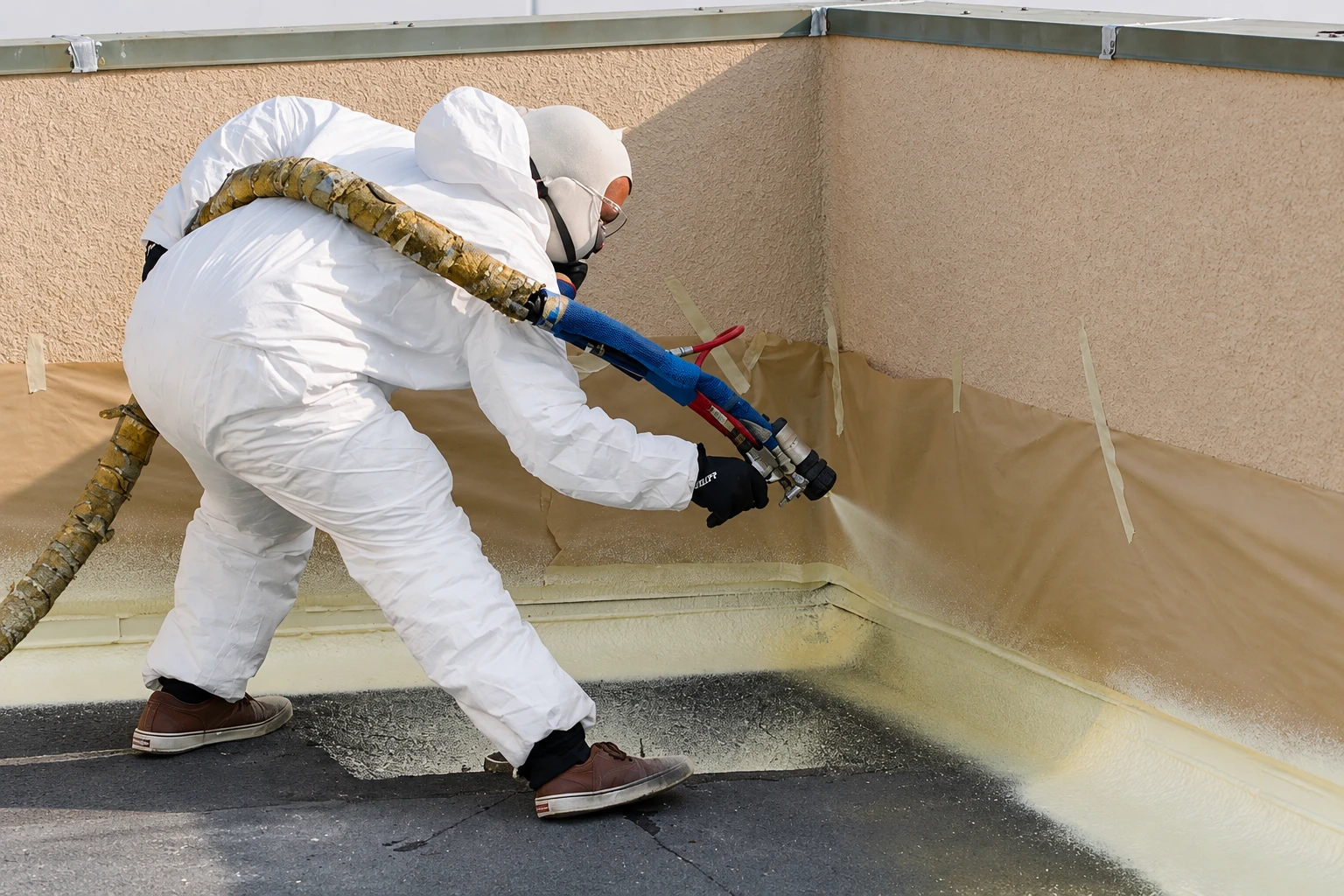
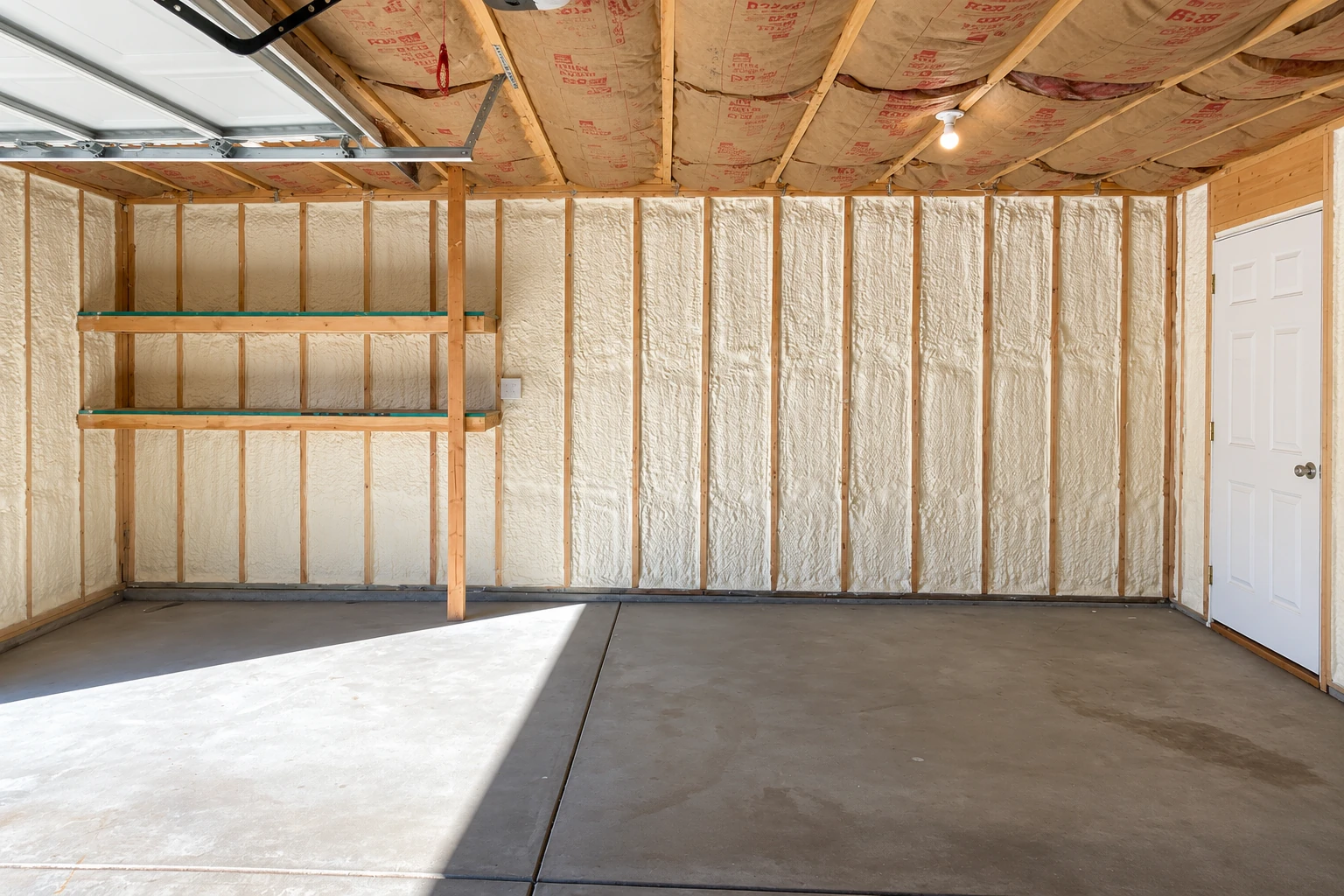
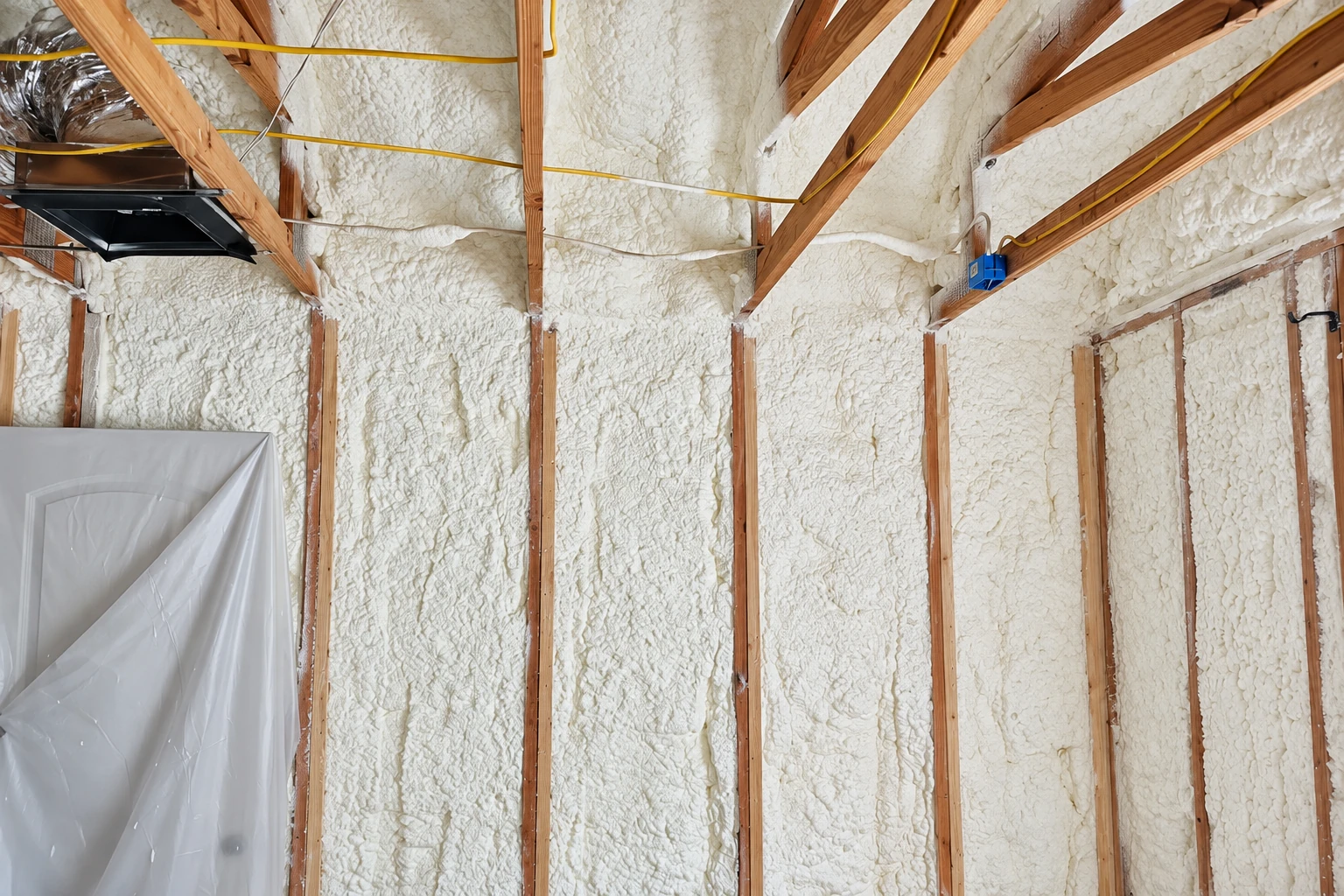
Spray foam suits rooms over the garage and sloped ceilings where loose fill won't stay put. It costs more than other options, but it seals air and insulates in one pass.
Sealcraft Durham Insulation Company is a Durham insulation contractor working in Raleigh, NC. We air seal and insulate attics, crawl spaces, walls and basements for Raleigh homeowners, and insulate commercial buildings for property managers.
Sealcraft Durham Insulation Company handles attic insulation, air sealing, crawl space work, wall insulation and spray foam across Raleigh. Calls from Raleigh usually start with a hot upstairs, a room over the garage nobody wants to sleep in, or cold floors over a crawl space, and we trace each one back to the gaps behind it.
Raleigh houses run from older homes with a few inches of settled insulation in the attic to newer builds with a bonus room over the garage. Older attics usually need air sealing, closing the gaps around pipes, can lights and the hatch, before any new insulation goes in, because fresh material over open gaps just fights a draft. Newer attics often have enough depth, but in the wrong places.
Before we add anything, I want to see what's already up there. Insulation that got soaked by an old roof leak or filled with droppings comes out first, because new material on top keeps the problem in your house. We also keep the vents along the roof edge clear so the attic can still breathe. Homes in Wake Forest and the cities around Raleigh get the same order of work.
Spray foam suits rooms over the garage and sloped ceilings where loose fill won't stay put. It costs more than other options, but it seals air and insulates in one pass.
When the upstairs runs hot or the power bill keeps climbing, the attic is usually where we start. I measure the inches already up there before suggesting how much to add.
Blown-in insulation, loose fill blown through a hose, is how we top up most attics after the gaps are sealed. We build it to full depth at the edges, where coverage usually runs thin.
If several rooms feel drafty and you don't know where to begin, we look at the whole house, attic to crawl space, and tell you which part to fix first.
Old insulation that's been soaked, packed flat or filled with droppings has to come out before anything new goes in, or the smell and moisture stay right where they were.
Cold floors in winter usually trace back to a crawl space with sagging or missing insulation under the floor. We refit it and add supports so it stays tight to the floor above.
Walls in older houses are sometimes empty or only half full. We can usually fill them through small holes, which saves you from opening the whole wall, depending on what we find inside.
Drafts around outlets, baseboards, attic hatches and pipe openings let heated and cooled air slip out of the house. We seal those gaps so the insulation you already have can do its job.
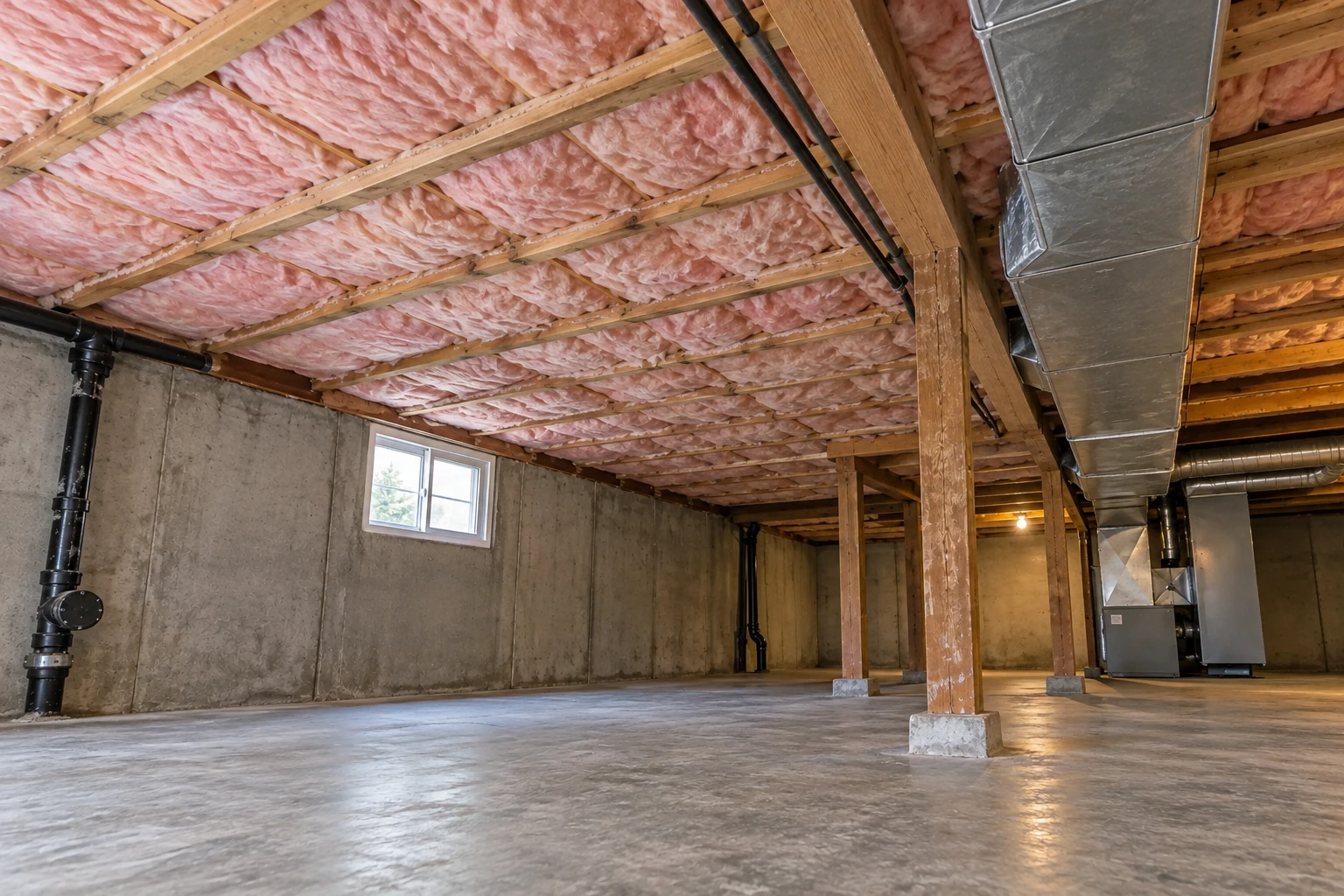
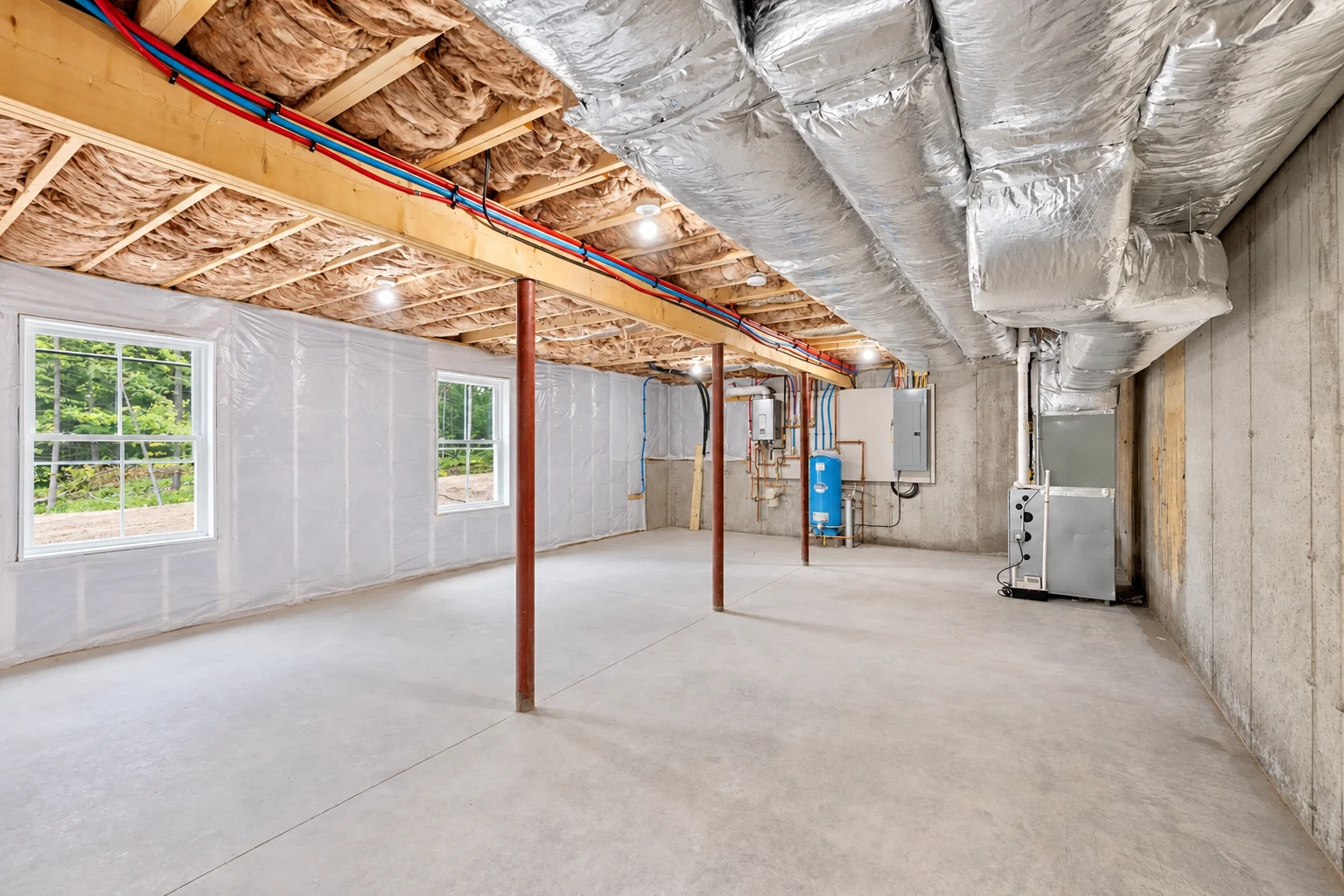
Bare foundation walls and the wood band sitting on top of them lose a lot of heat. Insulating them warms the floor above and makes a finished basement easier to keep comfortable.
Closed-cell foam, a dense foam that blocks moisture, fits crawl space walls and spots where dampness is a worry. It's the firmer and pricier of the two foams we spray.
Open-cell foam is softer and lighter, and it fits rooflines and interior spaces that stay dry. It fills odd-shaped cavities well and costs less than closed-cell.
Property managers call us for offices, shops and other commercial spaces in Raleigh. We plan the work around tenants and business hours, and we explain the plan to whoever signs off on it.
A torn or missing plastic sheet on a crawl space floor lets ground moisture rise into the framing. We lay a new barrier, overlap and seal the seams, and run it up the walls.
A vapor barrier slows moisture moving into walls, basements and other parts of the house. Put in the wrong spot it can trap water, so we tell you whether you need one and where.
If the attic insulation looks deep enough and the upstairs still feels drafty, unsealed gaps around the hatch, wiring and can lights are usually why. We seal them before any new insulation goes down.
Retrofit insulation adds insulation to a finished house without a remodel. It's how we reach walls, garage ceilings and knee walls, the short walls beside upstairs rooms, that were skipped when the house was built.
We reply within one business day to set a time, and I come out to your Raleigh home myself to look at the attic, crawl space or walls. The estimate is free, it's in writing, and I walk you through each line, with no obligation to book.
(919) 246-8605In Raleigh, permits and inspections go through the city's planning and development department. The city's residential permit list names projects like remodels, additions and new heating and cooling equipment, and it doesn't settle insulation work on its own. So before we start, we check with the city about your address, and where a permit is needed, we handle the paperwork and meet the inspector, which means the start date waits on the city.
The price mostly turns on what we find, such as how many inches you already have, whether old material has to come out, how much sealing the attic needs, and whether foam or loose fill makes sense. The schedule turns on the permit check, any removal and how easy the work is to reach. We work in Raleigh the same way we do in Cary and Durham, and your written estimate spells out each of those for your house.
I learned this trade on commercial crews, spraying foam and fitting board in warehouses, schools and office buildings. That's where I saw how many insulation problems trace back to one rushed step, and it's why I started this business in Durham in 2013 to bring the same care to homes. Thirteen years later, we're still the crew that explains your attic or crawl space before we touch it.
I come out to look at the job and write the estimate myself, and our trained installers do the work with a crew lead on site, so someone who knows the plan is in your house while we work. We're licensed and insured, and every job carries the same promise, satisfaction guaranteed.
When we're done, I want you to understand why we did things in the order we did, because a homeowner who knows their own house makes better choices for years. I'd rather lose a job by being straight with you than win it by skipping a step. Call (919) 246-8605 or use the form on this page to get started.
Most insulation work stays inside the house, but when a Raleigh job does need a city permit, a few local steps can come first. Here's where they show up and what we do about them.
If your house is in a Raleigh historic district or is a designated Raleigh Historic Landmark, the city's permit steps include a Certificate of Appropriateness from the Raleigh Historic Development Commission. That approval may be needed before a permit application goes in. Mention it when you call, because it can add time before we start, and I'd rather plan for that than find out late.
If your property has a private well or septic system, Wake County Septic and Wastewater Management has to approve it before anyone applies for a city permit. I ask about it at the estimate, because when a permit is needed, that county approval comes first and sets the earliest date we can start on your house.
The city requires a permit but no drawn plans for some work, including heating and cooling replacement and adding circuits or outlets. If your attic project sits alongside a new HVAC unit, or a new circuit for an attic fan, that piece has its own permit step. We point it out at the estimate so the order of work makes sense.
For permits, Raleigh treats single-family homes, duplexes, triplexes and quadplexes as residential, while larger multifamily buildings follow the state's commercial building codes. That matters to property managers, because the permit path is different on each side of that line. We insulate both, and we check which side your building falls on before we write the estimate.
Your price comes from the written estimate I put together at your house, because it rests on what's in your attic or crawl space right now. The biggest swing is foam versus loose fill. Foam costs more and seals air as it insulates, but sealing the gaps and topping up loose fill usually wins unless your ductwork runs through the attic.
The time in your attic is set mostly by the prep work, and I put it in your written estimate before you book. Removing old material, sealing gaps and working around tight spaces at the roof edge take longer than the top-up itself. A roomy attic with clean, dry insulation goes quickest.
Yes, for spray foam you, your kids and your pets need to be out while it's sprayed and until the re-entry time, the wait before you can come back in, which the foam maker sets. For blown-in insulation and air sealing, most families stay home. I give you the re-entry time in writing before we book.
Clear a path to the attic hatch or crawl space door and move anything stored around it, because the crew needs room for hoses and material. If you keep boxes up in the attic, it helps to bring them down first. We cover floors along the route and clean up before we leave.
It can, because the city doesn't decide by cost alone. Under the city's residential permit rules, work costing $40,000 or less can still need a permit when it adds, repairs or replaces load-bearing structure or involves certain plumbing, heating and cooling, electrical, roofing or fire code work. We check your job with the city before we start.
No, the City of Raleigh no longer requires a business license to operate inside city limits, because the state took away cities' power to charge a business license tax. The city notes that other local licenses and permits may still apply depending on the business. The more useful questions are about insurance and who'll be in your house, and I'm glad to answer both.
Call (919) 246-8605 until 10 PM on weekdays or 9 PM on weekends, or send the contact form, and tell us which room bothers you most so I come out knowing where to look.