Sealcraft Durham Insulation CompanySealcraft Durham Insulation Company

Air sealing services in Durham NC - fewer drafts and vents that still do their job

Drafty rooms, a hot upstairs or a power bill that keeps climbing? We find the leaks, seal them and leave the vents open.

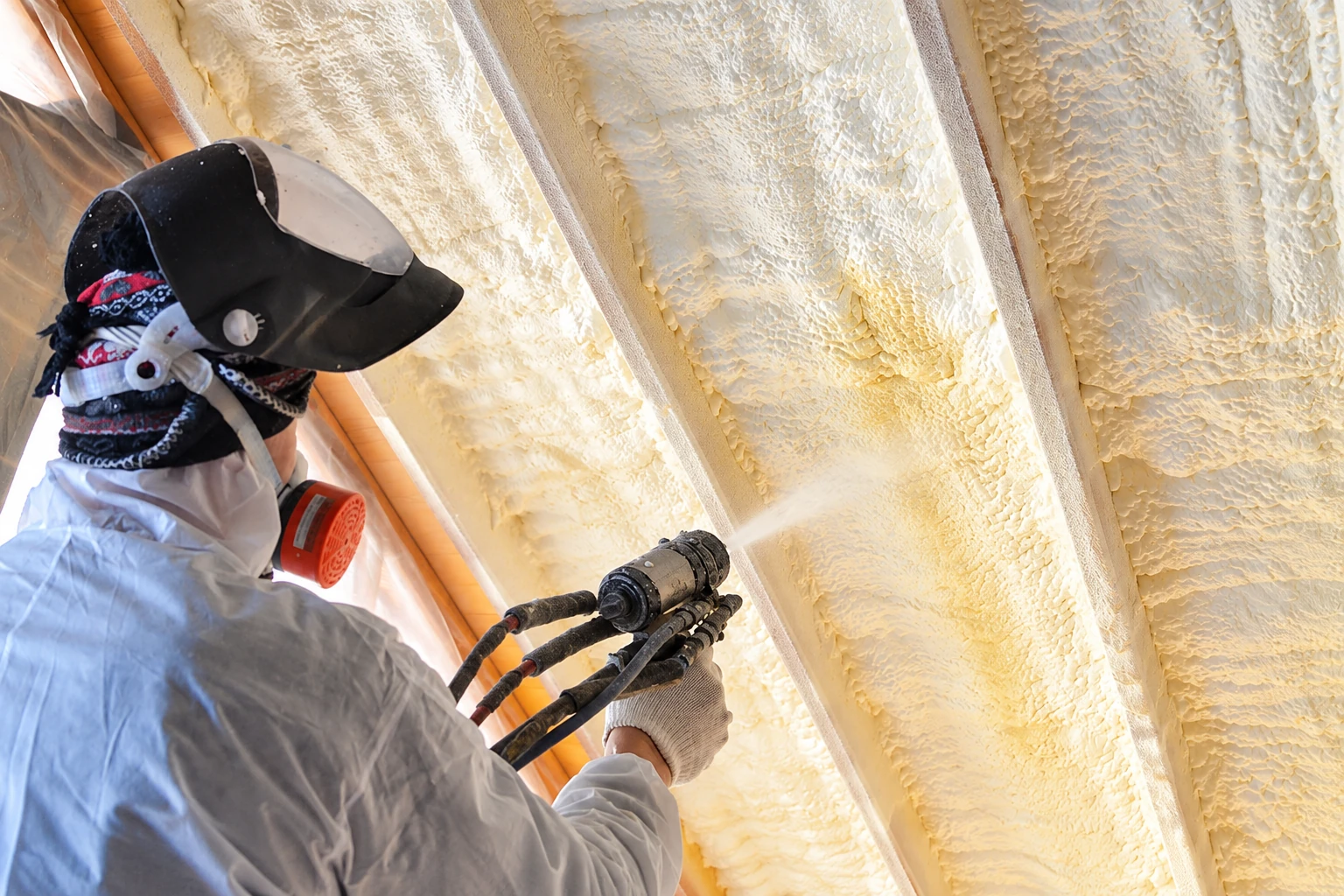
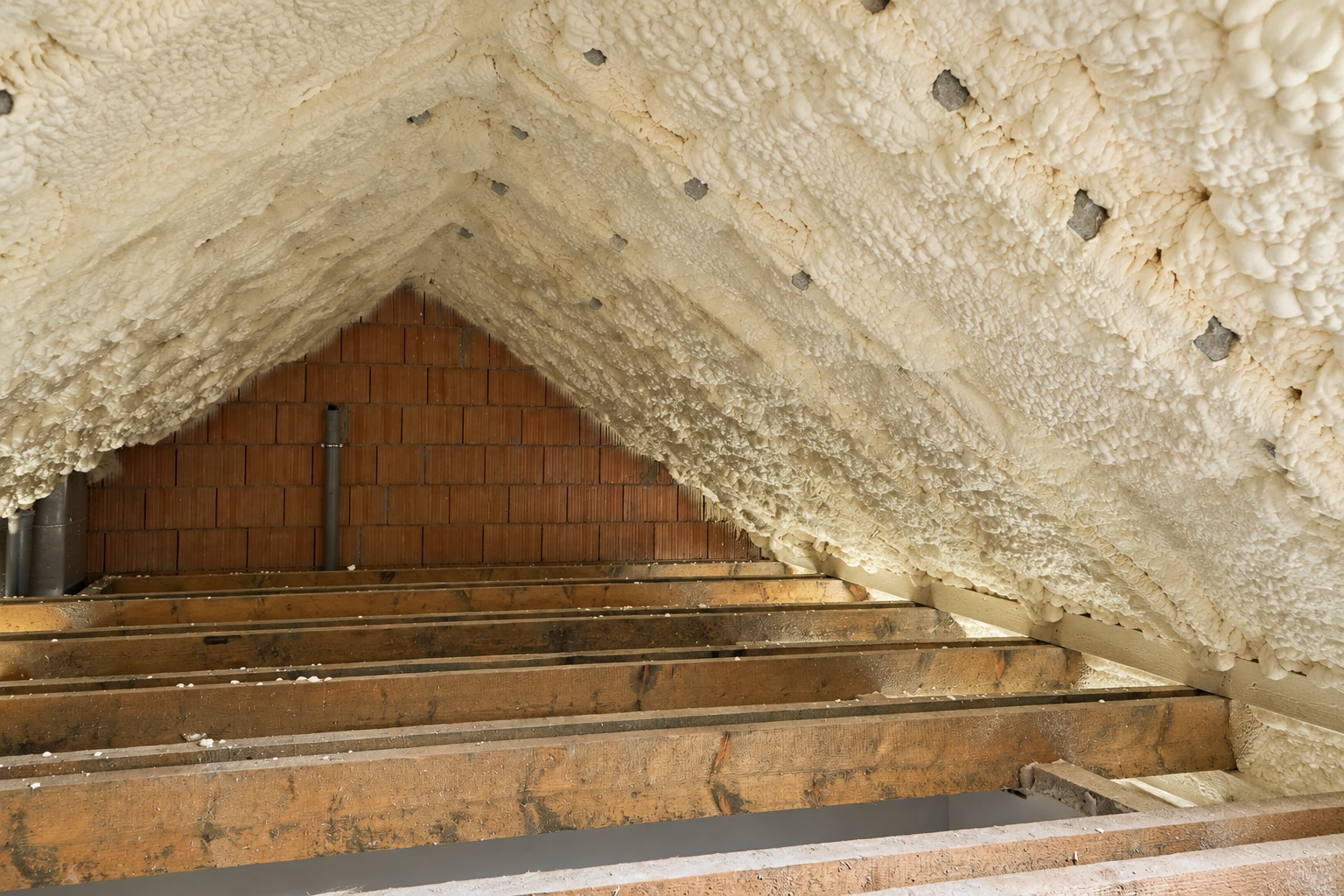
Roof rafters and attic gable coated with thick, uneven cream-colored spray foam.

Air sealing services in Durham, NC close the gaps where outside air slips into your house, so rooms stop feeling drafty and your furnace and AC don't have to work as hard, which is what pushes the power bill up.

Will air sealing fix my drafty rooms and high power bill?

If the upstairs runs hot, the room over the garage never warms up, or you feel cold floors and drafts near outlets and trim, air is usually leaking somewhere you can't see. Insulation slows heat, but it doesn't stop air from moving through it, so sealing the gaps is often what makes the insulation you already have start working.

The price comes down to how many leaks your house has, how easy they are to reach, and whether anything has to be fixed or pulled out before we seal. The schedule turns on the same things, plus whether your job needs a permit. You'll see all of it on a written estimate before we start.

If sealing is part of a bigger project, there's a state rule worth knowing. North Carolina's Licensing Board for General Contractors says that, by law, a general contractor has to be licensed when the total project cost is $40,000 or more. It's a fair question to ask anyone bidding a large insulation or remodeling job.

What we look at before sealing anything

A good sealing job is mostly about knowing where to look and what to leave alone. These are the three things I check on every house before our crew opens a tube of caulk.

Where the leaks usually hide

The worst gaps are usually in the attic floor, around the hatch, the plumbing pipes, the wires running up through the ceiling and can lights, the recessed lights set into the ceiling. We go after those first because that's where the air from your living space usually escapes, and it's the air you paid to heat or cool.

Problems to fix first

Before any attic work, the attic gets checked for live knob and tube wiring, the old wiring strung on porcelain knobs, plus vermiculite, a pebbly loose fill, bath fans blowing into the attic, roof leaks, unvented kerosene heaters or gas fireplaces, and attic flooring. Any of these can change the plan, so we sort them out before sealing.

Vents that need to stay open

Some openings are supposed to be there. Combustion air ducts, which feed air to fuel-burning equipment, and the soffit, ridge and gable vents that let the attic breathe all need air moving through them to work. We seal the leaks around them and keep those vents clear, because burying them just trades one problem for another.

What happens after you call us about air sealing in Durham?

From the first call to the walk-through at the end, here's who does what. I like you to know the plan before anyone climbs into your attic.

  1. 1

    Call or send the form

    Call (919) 246-8605 or send the form and tell us what's bothering you, whether it's a drafty room, a hot upstairs or the bill. It helps to know what heats the house and whether you're planning attic insulation.

  2. 2

    Walk the house with me

    I come out and look at the attic, walls or crawl space with you, then explain what I see and what I'd seal first. You get a written estimate, and I walk you through each line.

  3. 3

    Our crew seals the leaks

    Our crew does the job the way we planned it, so you know what gets sealed and what stays open. If something new turns up under old insulation, we stop and talk to you before going on.

  4. 4

    See what changed

    Before we leave, we show you what we sealed and what to keep clear around the hatch and the vents. If we tested the house at the start, we test it again so you can compare.

Request an estimate

How our crew handles air sealing in your house

I start by working out how your house gets fresh air and how your furnace, stove or fireplace vents, because a tighter house can change how those appliances breathe. Then we seal the leaks and leave alone the vents that need air moving through them. I like to run a blower door, a big fan set in an outside door that pulls air out so the leaks show, before and after.

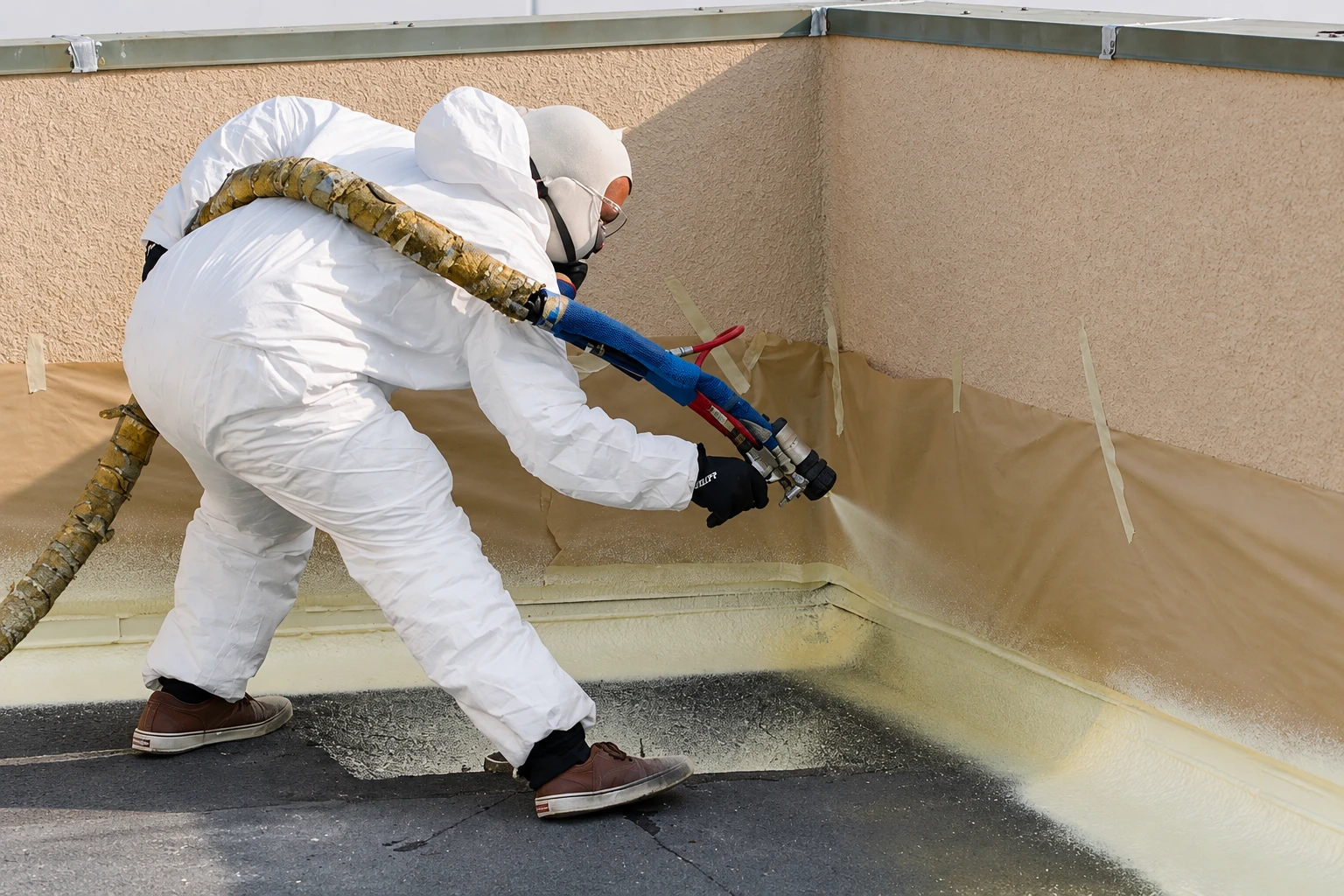
Most houses do best when we seal the gaps with caulk and foam, then top up the attic with blown-in insulation, which is loose fill blown through a hose. Foam on the roofline costs more, but it seals and insulates in one pass, so I lean that way when your ductwork runs through the attic. Closed-cell foam insulation, a dense foam that also blocks moisture, is one option we'd talk through there.

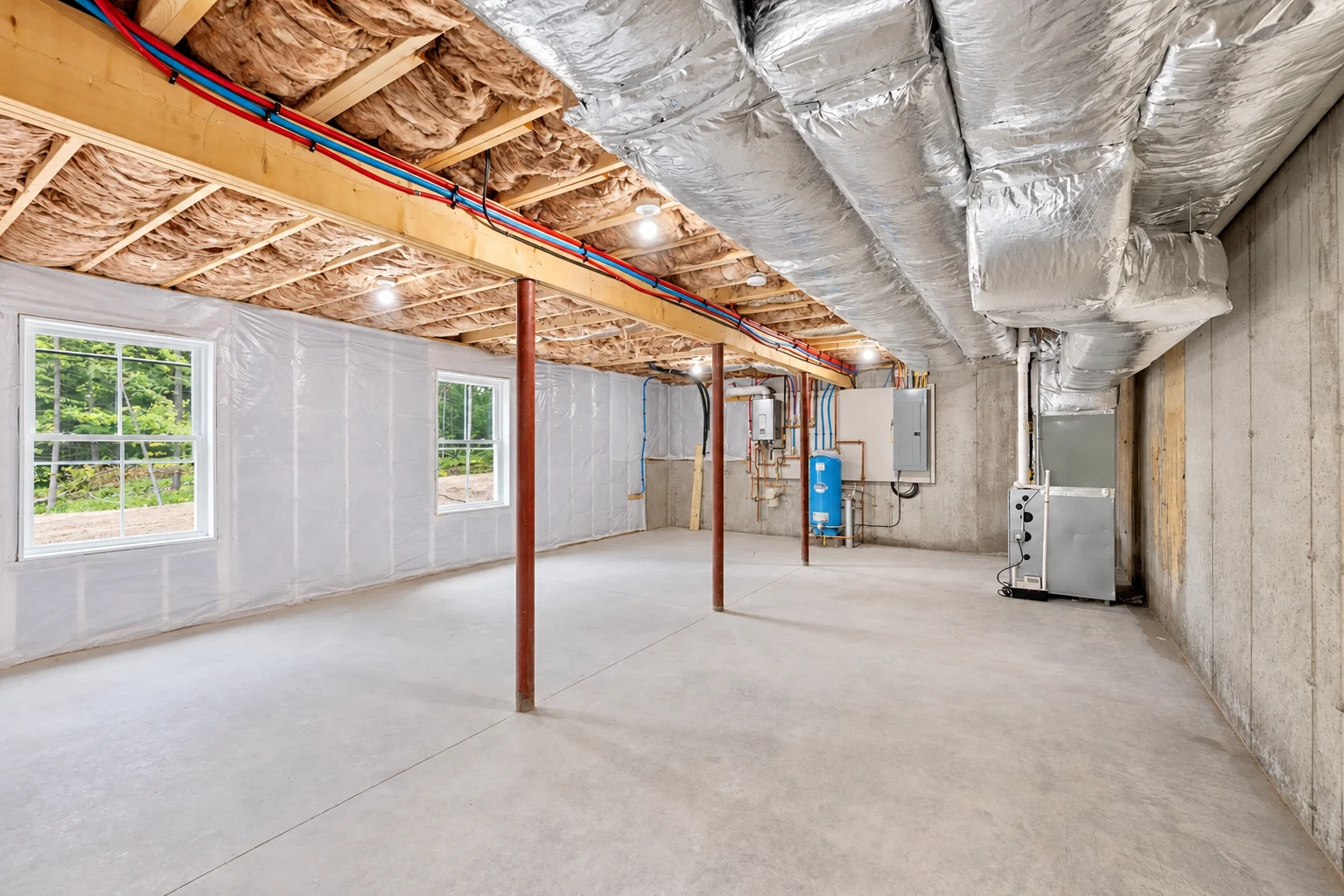
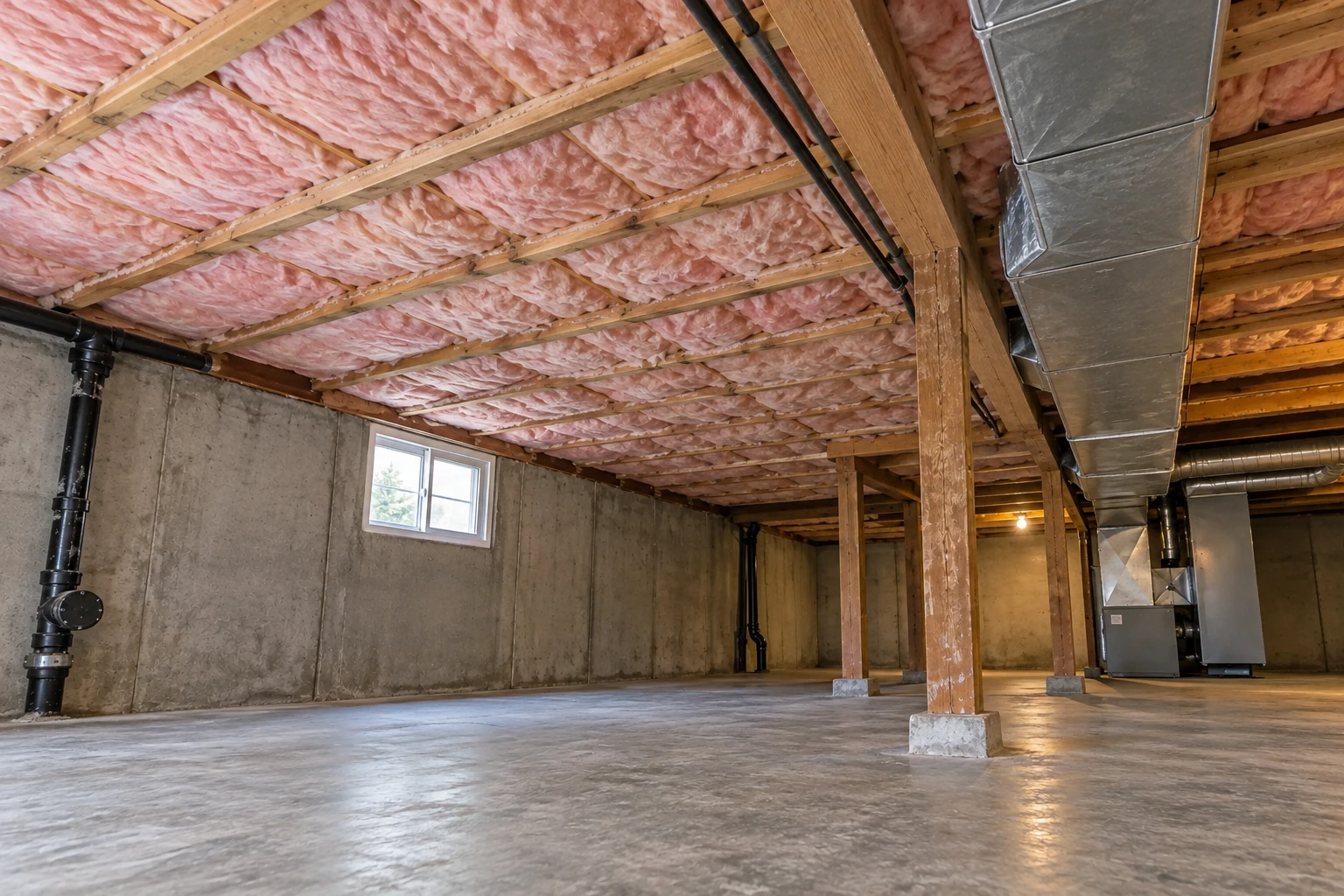
Leaks aren't only overhead. Downstairs, air usually comes in along the rim joist, the wood band sitting on top of the foundation wall, and around the pipes and wires that pass through it. We seal those spots and can pair the work with basement insulation so the floors above stop feeling cold.

Seal now, insulate later

If the insulation in your attic is dry, clean and fairly even, sealing alone may be what the house needs right now. You'll feel the difference in the drafts and can decide about more insulation once you've lived with it.

Seal and insulate together

If the insulation up there is thin, patchy or deep in the middle and bare at the edges, it makes sense to do both in one job. We seal first, then add insulation over the sealed floor.

Get a written air sealing estimate for your Durham house

Send the form and we'll get back to you within one business day to set a time. I'll come out, look at the house with you and write up a free on-site estimate, and there's no obligation to book the work.

(919) 246-8605

info@durhaminsulationcompany.com

Air sealing services in Durham and the permit question

In Durham, permits come from one office, the City-County Building & Safety Department, which handles permits, plan review and inspections for both the city and the county. It issues building permits for load-bearing work or any project over $40,000 in market value, and a mechanical permit when heating, air conditioning or ventilation is installed or upgraded.

So if your sealing job adds or upgrades ventilation, it falls under that mechanical permit. For sealing work on its own, what the department publishes doesn't settle the question, so before we start we check with the permit office that covers your address. If a permit is needed, we handle the paperwork and meet the inspector.

Around Durham we see older houses with plank floors laid over the attic joists and newer ones with ductwork running through the attic, and each needs its own plan. We're based in Durham and do the same work in Raleigh, Chapel Hill, Cary, Burlington and the cities around them. If you're not sure we come to you, just ask.

Why Durham homeowners call Sealcraft for air sealing

I learned this trade on commercial crews, spraying foam and fitting board in warehouses, schools and office buildings, and I saw that most insulation problems trace back to a step someone rushed. I started this business in Durham in 2013. For 13 years we've been the company that explains what's going on in your attic or crawl space before we touch it.

I come out to look at the job and write the estimate myself, and our trained installers do the work with a crew lead on site. We're licensed and insured. Our work comes with one promise, satisfaction guaranteed. If you'd like someone to tell you straight what your house needs, call (919) 246-8605 or send us the form.

Basement insulation

Worth a look if the floors over your basement stay cold even after the upstairs feels better.

Cities we cover from our Durham base

These are the cities with their own page on our site, each with notes on what we see there. We work in plenty of others near Durham, so if yours isn't listed, give us a call.

Questions homeowners ask about air sealing

How much does air sealing cost in Durham, NC?

There's no set price, because the cost follows how many leaks your house has and how hard they are to get to. Lifting attic flooring, working around ductwork, rerouting a bath fan that blows into the attic or pulling out old insulation that's wet or full of droppings all add work. I put the number in writing after I've seen your attic.

Is air sealing safe if I have a gas furnace or fireplace?

Yes, when the job starts with a fresh-air check. The first step is working out how much fresh air the house needs, both for healthy indoor air and so stoves, ovens, fuel-burning furnaces and fireplaces can vent. If you have that kind of equipment, plan for that check at the start, and expect any careful crew to do it.

How do you find air leaks in a house?

Certified home energy auditors find leaks with a blower door test and a thermal camera, which shows where outside air is getting in. One building performance group's testing rules require blower door tests both before and after sealing, so it's fair to ask any crew whether they test both times. I like to, so you can see the change.

Should I air seal my attic before adding insulation?

Yes. In an existing vented attic, the openings through the attic floor get sealed first, before new insulation goes in, because once fresh insulation covers them they're hard to find and reach. If you're planning attic insulation, make the sealing the first part of that job. Our attic air sealing page goes into the attic side in more detail.

How long will the crew be in my attic for air sealing?

It turns mostly on how easy your attic is to move around in and what we find once we're up there. A roomy attic with a clear path goes quicker than a low one with flooring to lift, and a roof leak or old wiring has to be handled first. I'll tell you what I expect when I look at it.

What do I need to do to get ready for air sealing?

Clear a path to the attic hatch or pull-down stairs and move anything stored on the attic floor, since the gaps are under it. Sealing with caulk and can foam usually doesn't send you out of the house. If foam insulation is part of the job, we'll go over re-entry time, meaning when you, the kids and pets can come back in.

Call us about your drafty rooms

We pick up weekdays until 10 PM and weekends from 6 AM, so call (919) 246-8605 when it suits you and have your heating type handy.

(919) 246-8605Request an estimate