Sealcraft Durham Insulation CompanySealcraft Durham Insulation Company

Home insulation in Durham NC - a house that stays comfortable on less energy

Hot upstairs rooms, cold floors, a climbing power bill? We find where your house loses heat and fix it in the right order.

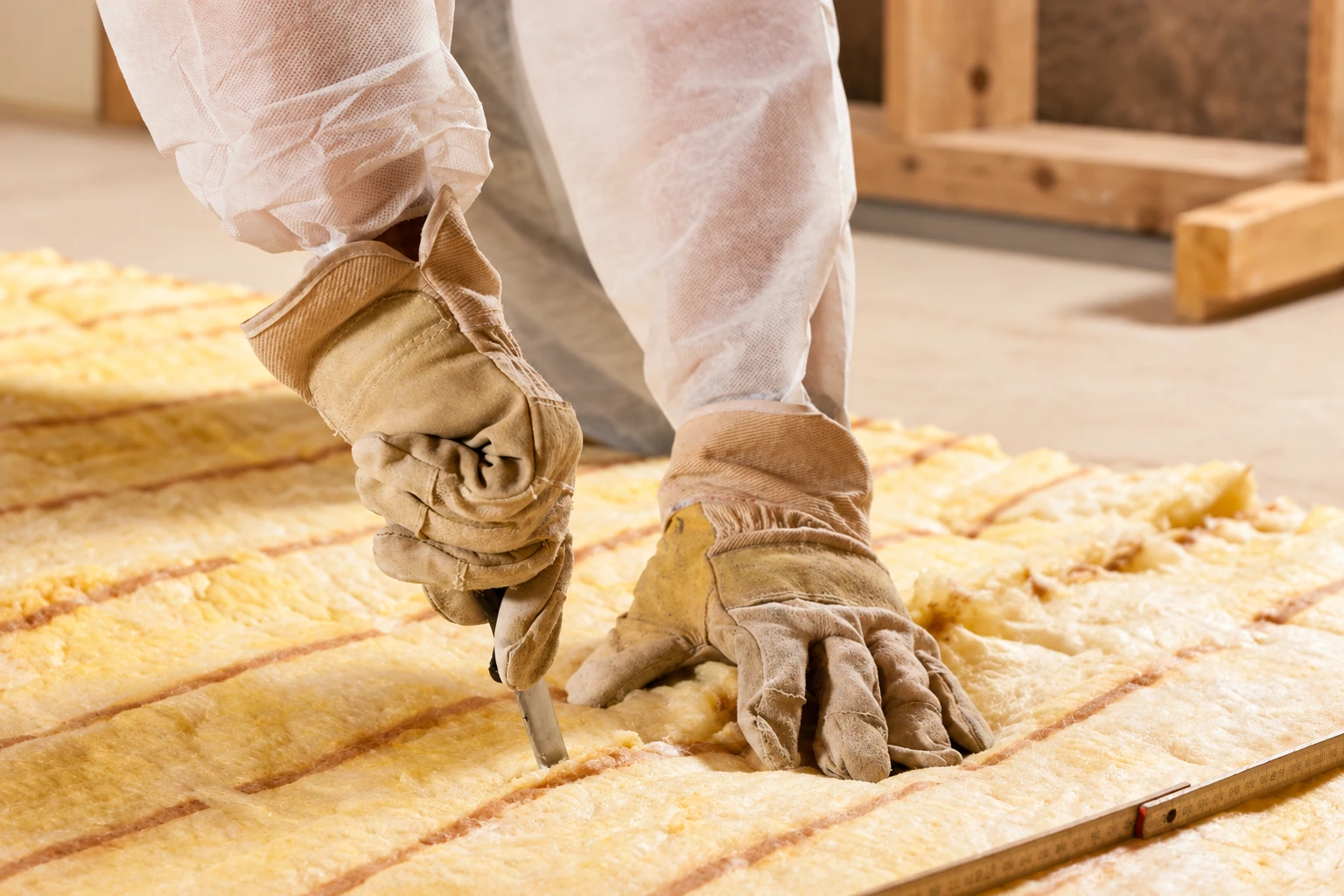
A worker in protective clothing fits yellow fiberglass insulation between floor joists, using a utility knife.

Home insulation in Durham means adding insulation to your attic, floors, crawl space and rim joists, the framing that connects to the foundation. We pair it with air sealing, which means closing the gaps where air slips through, so the heat and cool air you pay for stay inside.

Where do I start insulating my house in Durham?

Most calls start with one complaint. The upstairs is hot by July, the room over the garage never warms up, the floors are cold in January, or the power bill keeps climbing. Usually it isn't one spot. Heat leaves through the attic, through the floor over the crawl space and around the rim joists, so fixing just one of them can leave the house feeling drafty.

The price turns on the size of your attic and crawl space, how many inches are already up there and whether they're clean and dry, how many gaps need sealing, and whether you choose loose fill or foam. The schedule turns on access, on whether old insulation has to come out first, and on whether a permit is needed before we start. Your written estimate spells out each of those for your house, and I walk you through every line.

What I check before any insulation goes in

Three things decide whether new insulation does its job or just sits on top of an old problem. I look at each one before I write your estimate.

Old insulation that's wet or dirty

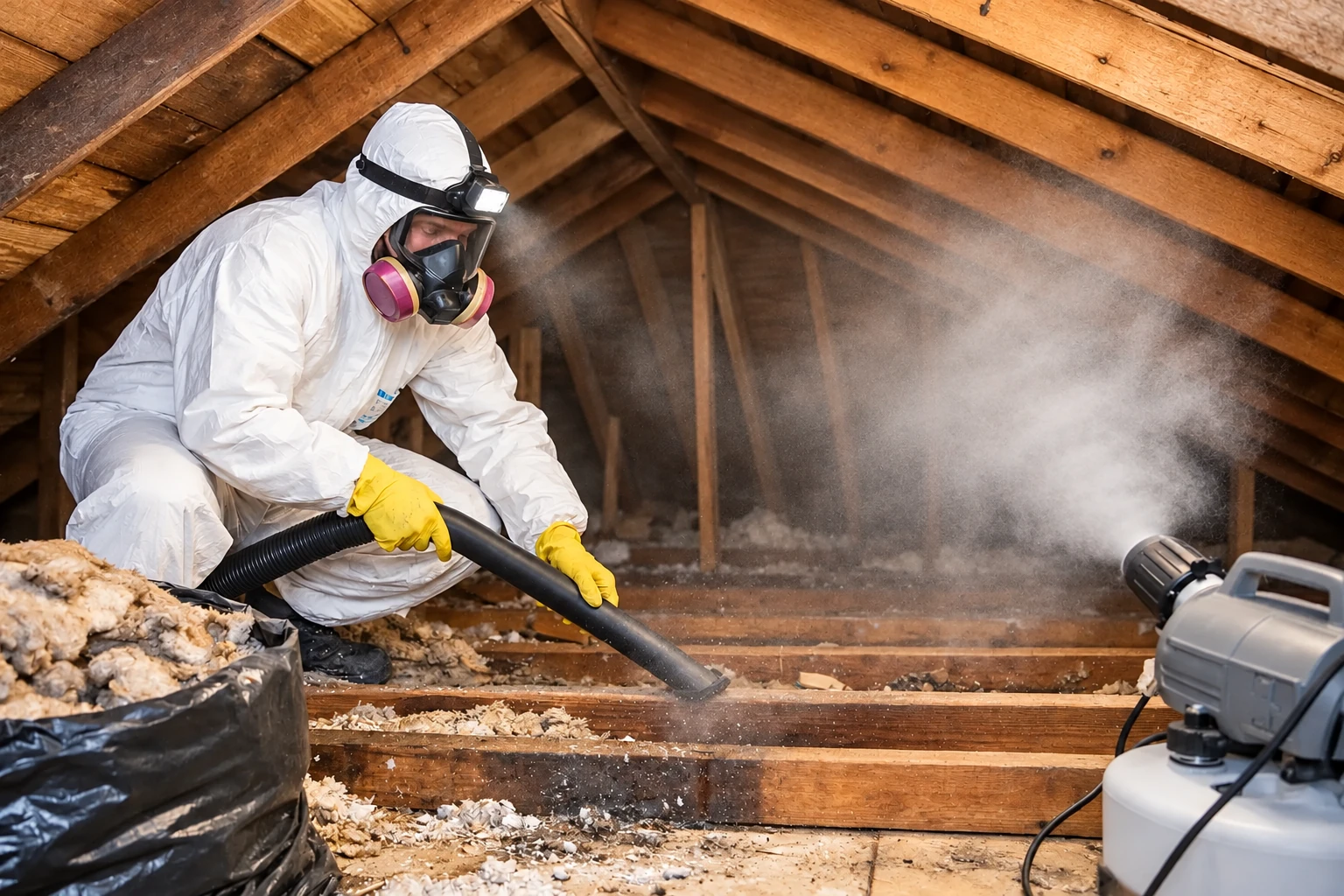
If the insulation up there now got soaked by a roof leak or is full of droppings, it has to come out first. Blowing fresh material over it buries the problem, and it keeps holding moisture and drawing pests. When the old layer is dry and clean, we usually build on top of it, because you already paid for it.

Recessed lights below the attic

Federal energy guidance says only IC-rated recessed lights belong in an insulated attic, because they're airtight and can be covered with insulation. If you have can lights in your ceilings, ask me which kind they are and I'll check from the attic side. Older lights leak air into the attic, so they change the plan.

Eave vents and thin edges

The vents along the eaves, where the roof meets the walls, let the attic breathe. If insulation buries them, moisture starts showing up in the framing. The edges are also where coverage tends to run thin because they're hard to reach, so we keep the vents open and bring the edges up to full depth, not just the middle.

What happens after you call us about insulating your house

Here's how a whole-house job runs from your first call to the walk-through at the end, and who you deal with at each step.

  1. 1

    Call or send the form

    Call (919) 246-8605 or send the form and tell us what's bothering you, whether that's a hot upstairs, cold floors or a high bill. We get back to you and set a time for me to come out.

  2. 2

    Walk the house with me

    I come out and look at the attic, walls and crawl space with you. I explain what I see and what I'd do first. Then you get a written estimate.

  3. 3

    Our crew does the work

    Our crew does the job the way we planned it, in the order we went over at the estimate, so nothing gets covered up before it's cleaned out or sealed.

  4. 4

    See what we did

    Before we leave, we show you what we did, up in the attic or down in the crawl space if you want a look. You'll know what's there now and why we did it in that order.

Request an estimate

How we plan home insulation for the whole house

When you call about the whole house, I look at the attic, floors, crawl space and rim joists together, then tell you where your money does the most good first. Sometimes that's the attic. Sometimes it's the floor over the crawl space. Have your recent energy bills handy when I come out and we'll go over them together, because they show where the house is struggling.

The order matters more than the material. If old insulation is soaked or full of droppings, our insulation removal work comes first. Then we seal the gaps, and only then do we insulate. Under the house, crawl space insulation takes the chill out of the floors you walk on, and it's often the piece people forget.

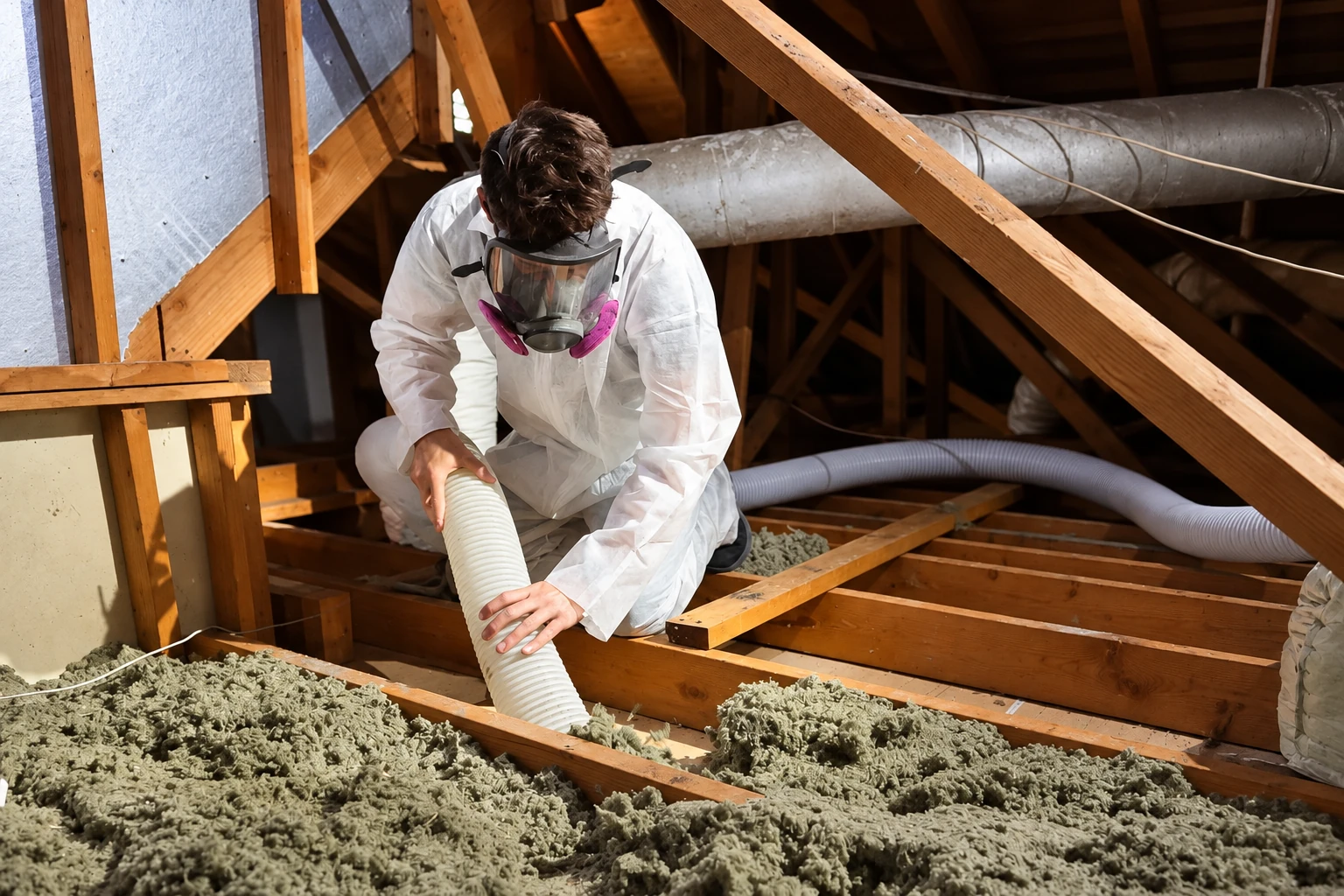
Most of this happens without touching the rooms you live in. Blown-in insulation is loose fill, small pieces that look a lot like packing peanuts, blown through a hose into the attic. It settles around framing and wires and fills odd spaces, so your ceilings and walls stay just as they are.

Seal the gaps, top up loose fill

This is usually where I land. Air sealing plus a fresh layer of loose fill over what's already there costs less than foam and handles most attics well, as long as the ductwork doesn't run up there.

Spray foam where the ducts live

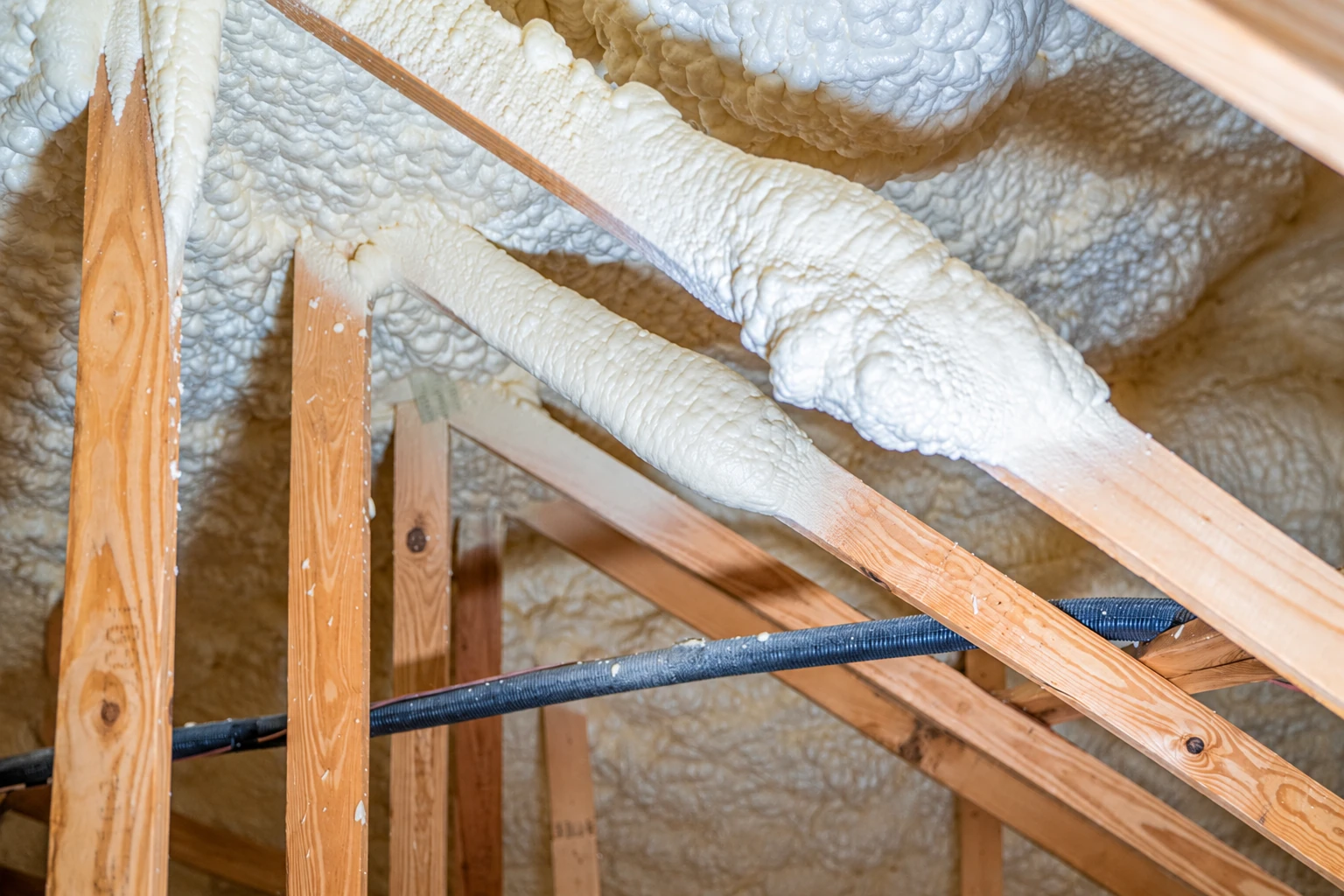
Foam costs more, but it seals air and insulates in one step. When your heating and cooling ducts run through the attic, foam on the underside of the roof puts them inside the insulated space, and that's when I'll recommend it.

Get a whole-house insulation plan for your Durham home

Send the form and we'll get back to you within one business day to set up a visit. I'll come out, look over the attic, floors and crawl space with you, and leave you with a free written estimate. There's no obligation to go ahead.

(919) 246-8605

info@durhaminsulationcompany.com

What Durham's permit rules mean for home insulation

Durham's City-County Building & Safety Department issues permits, and it requires one for any project with load bearing work or a market value over $40,000. That doesn't settle whether an insulation job by itself needs one, so we don't guess. Before we start, we check with the permit office that covers your address, and where a permit is needed, we handle the paperwork and meet the inspector.

In Durham, no work can begin until a permit is issued, so on a job that needs one, the start date follows the permit. When you're in Chapel Hill or Raleigh, we check with the office that covers your address there instead.

Around Durham we see a bit of everything, from older houses with a few settled inches in the attic to newer ones with ductwork running through it. If money's tight, North Carolina's Weatherization Assistance Program helps income-eligible households save energy and lower their utility bills. It gives priority to older residents, people with disabilities, families with children and homes with heavy energy bills.

Why Durham homeowners call Sealcraft for home insulation

I learned this trade on commercial crews, spraying foam and fitting board in warehouses, schools and office buildings. Most of the problems I saw there traced back to a step someone rushed. I started Sealcraft Durham Insulation Company in Durham in 2013 to bring that care to houses, and 13 years on we're still known for explaining what's going on in your attic before we touch it.

I come out and write your estimate myself. Our trained installers do the work, with a crew lead on site. We're licensed and insured. On bigger projects, North Carolina's general contractor licensing board says a general contractor must be licensed by law when the total project cost is $40,000 or more, so ask any contractor about that on a job that size. And our promise is the plain one, satisfaction guaranteed.

If you'd like me to look at your house, call (919) 246-8605 or send us the form and tell us which rooms bother you most.

Insulation removal

When the attic is holding soaked, flattened or pest-fouled insulation, clearing it out gives the new layer a clean start.

Crawl space insulation

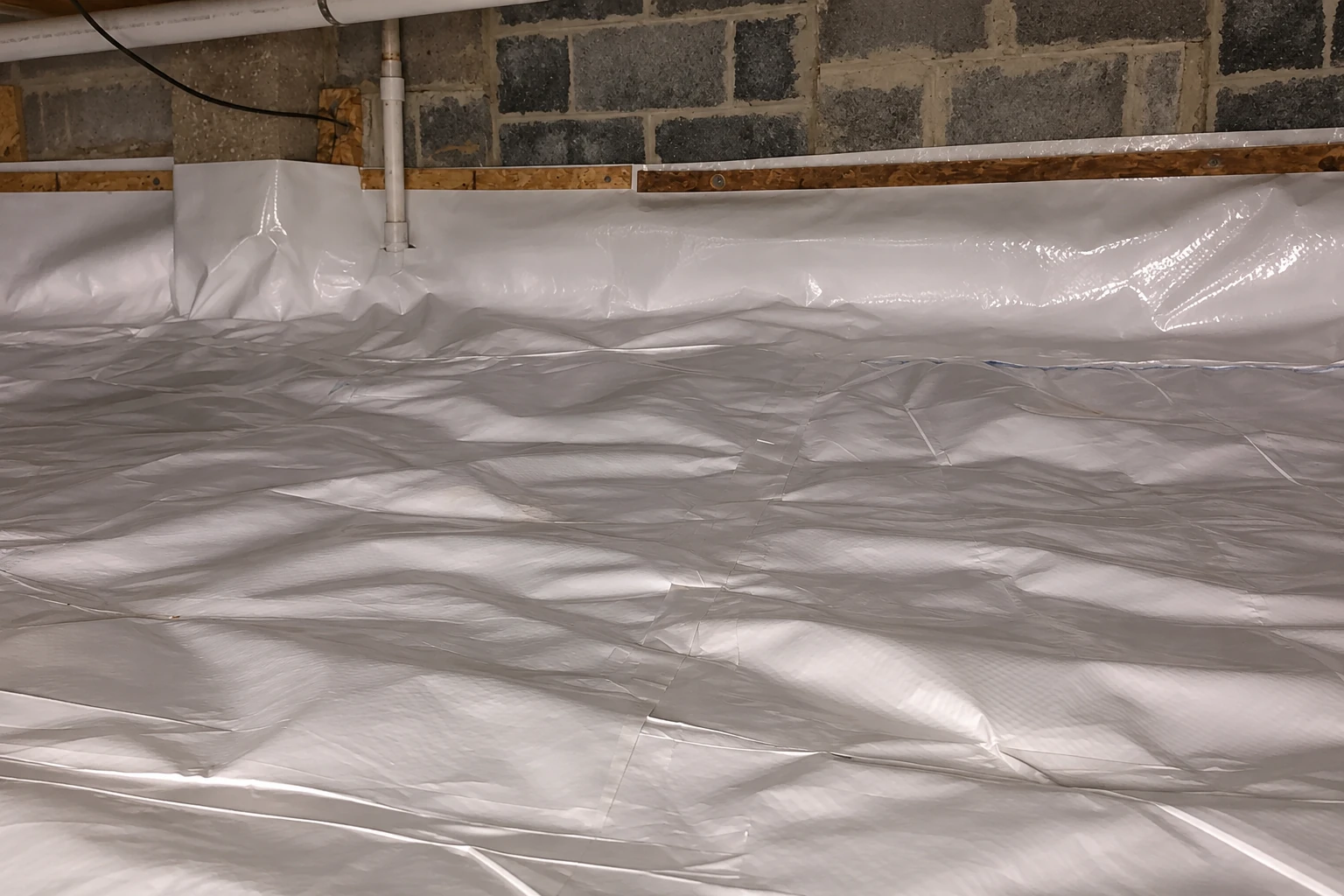
If your floors feel cold all winter, the fix usually sits under the house, not in the attic.

Where we insulate houses around Durham

We're based in Durham and work in Durham and the cities around it, including Raleigh, Chapel Hill, Cary and Burlington. If you're not sure we come to you, just ask.

Home insulation questions we hear in Durham

How much does attic insulation cost in the Durham area?

Attic insulation in the Raleigh area usually costs about $1 to $3 per square foot. That's a market figure for attic work, not our price. A whole-house job can add air sealing, the crawl space and sometimes removal of old material, and your written estimate gives your own figure, line by line.

How much can insulation lower my power bill?

Adding insulation and sealing air leaks together cuts heating and cooling costs, and you get the most from your money when the plan covers both. How much you'll see depends on what's in your attic and crawl space now and how leaky the house is, which is why I like to go over your bills with you.

Should air leaks be sealed before adding insulation?

Yes. Money spent on insulation can be wasted if the holes and gaps in your ceilings, walls and foundation stay open, because air keeps moving right through it. We seal around pipes, wires, the attic hatch and similar gaps first, then insulate over them.

Is blown-in insulation cheaper than batts for an attic?

Usually, yes. Blown loose fill, whether fiberglass, rock wool or cellulose, tends to cost less than batts, the precut blankets, and covers better because it fills around framing and wires instead of leaving seams. Installation costs do vary from house to house, so compare quotes for the same coverage.

How long will the crew be in my attic, and do we have to leave the house?

It depends on the attic size, whether old insulation comes out first and how many gaps need sealing, and your estimate lays that out. With air sealing and loose fill, you can usually stay home. Spray foam comes with a re-entry time set by the foam maker, the wait before you, the kids and pets can come back in, and we'll tell you before we start.

Find out where your house loses heat

Call (919) 246-8605 or send the form with your attic size and the rooms that bother you most, so my visit starts with what matters to you.

(919) 246-8605Request an estimate