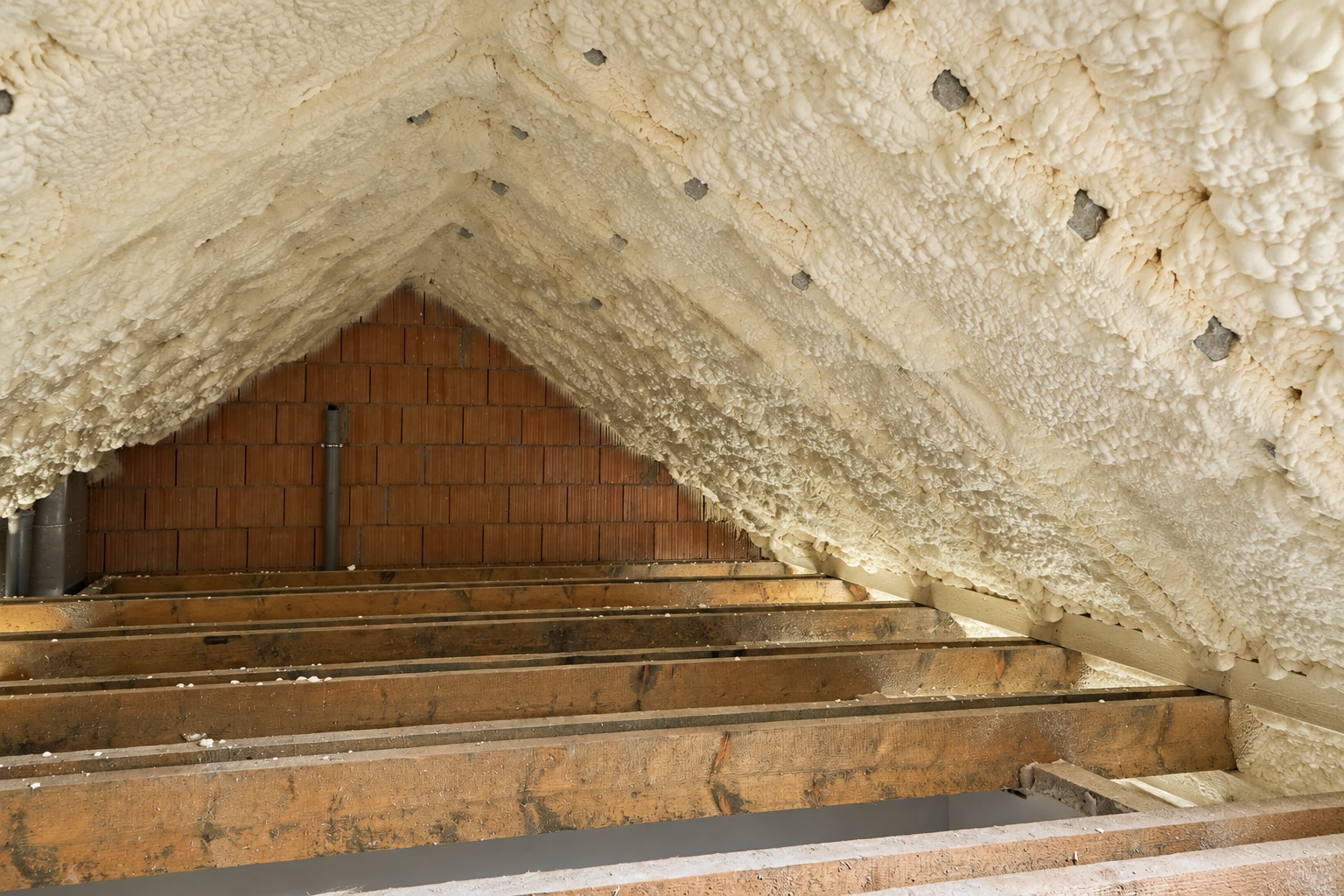
Spray foam insulation
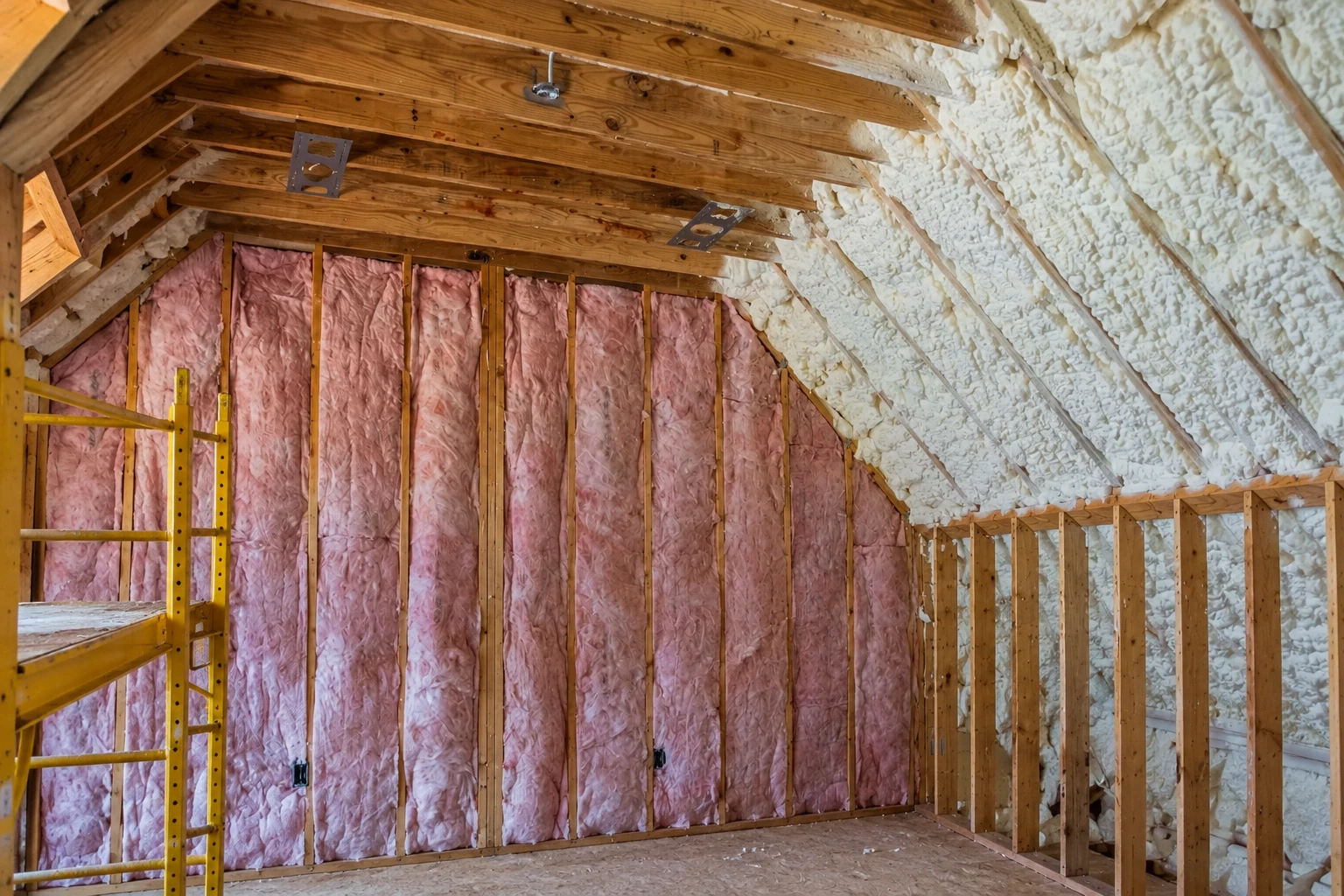
Spray foam seals and insulates in one pass, which helps in tight spots like the knee walls of a bonus room or a sloped ceiling where loose fill has no room to sit.
Sealcraft Durham Insulation Company insulates and air seals attics, crawl spaces and walls in Morrisville, NC, so upstairs bedrooms and the room over the garage hold their temperature better through summer and winter.
Sealcraft Durham Insulation Company is an insulation contractor based in Durham, NC, and Morrisville is one of the cities around it where we work. Here we seal and top up attics, insulate rooms over garages and crawl spaces, and spray foam where the ductwork sits in the attic.
A lot of the houses we see in Morrisville are two-story homes and townhomes, many with a bonus room over the garage. The usual call is that the upstairs runs hot in July or the room over the garage never feels right. When I go up, I often find blown-in insulation, loose fill blown through a hose, that has settled or sits thin out at the edges.
Usually the trouble isn't how many inches are up there. It's the gaps. Air sealing means closing the gaps around can lights, pipes and the attic hatch before we add anything, because insulation can't stop air that leaks straight past it. We do the same work in Cary and Raleigh, so houses like these are familiar to our crew.
Spray foam seals and insulates in one pass, which helps in tight spots like the knee walls of a bonus room or a sloped ceiling where loose fill has no room to sit.
Most hot upstairs rooms here start in the attic. We check how many inches are already up there, seal the gaps and bring the coverage even, out to the edges where it's usually thin.
Blown-in fits the open attics over most two-story homes here. We blow it evenly over the old layer once we know that layer is dry and clean, and we keep it clear of the eave vents.
If several rooms feel drafty or the power bill keeps climbing, we look at the attic, walls and crawl space together and tell you which one to fix first and why.
When old insulation got soaked by a roof leak or is packed down flat, fresh material on top just hides the problem. We take the old layer out so the new one starts clean.
Cold floors in a downstairs room usually point to the crawl space. We insulate under the floor and close the gaps where pipes and wires come up through it.
An outside wall that feels cold in January, or the wall between the garage and the house, often has little or nothing inside it. We fill those cavities and tell you up front how much opening that takes.
Air sealing around the whole house covers the garage wall, outlet boxes and the holes where pipes pass through floors. It's the step that gets skipped most, and we do it before insulation goes in.
Where a Morrisville house has a basement, we insulate the walls and the band of framing along the top, so the space below stays closer to room temperature.
Closed-cell foam is a dense foam that blocks moisture as well as air, so it fits crawl space walls and rim framing where dampness is part of the problem. It costs more, so we use it where it earns that.
Open-cell foam is the lighter, softer foam. It fills roof decks and odd-shaped cavities well and costs less than closed-cell when moisture isn't the worry.
Property managers call us for offices and small commercial buildings around Morrisville. We plan the work around the building's hours so tenants can keep using it.
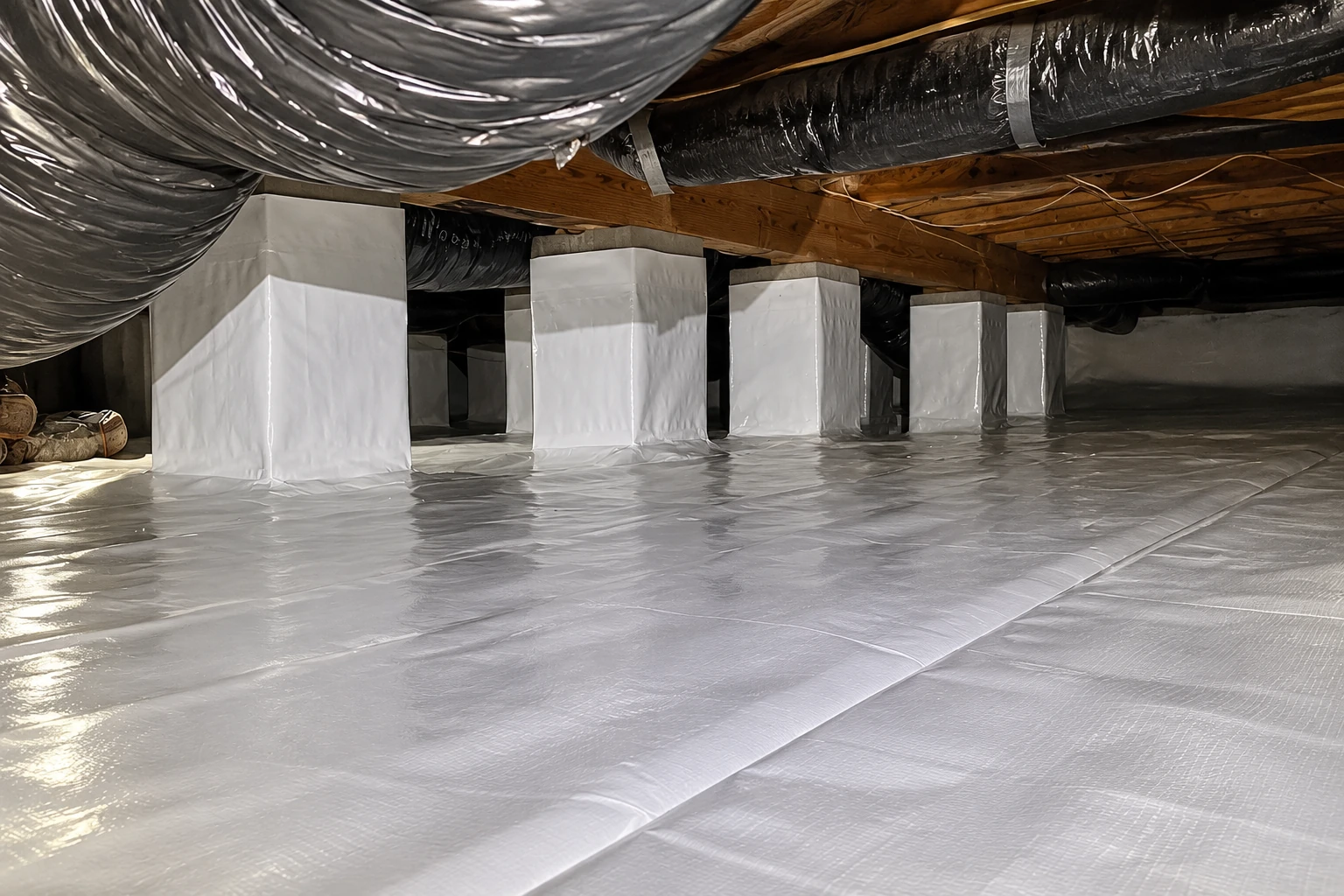
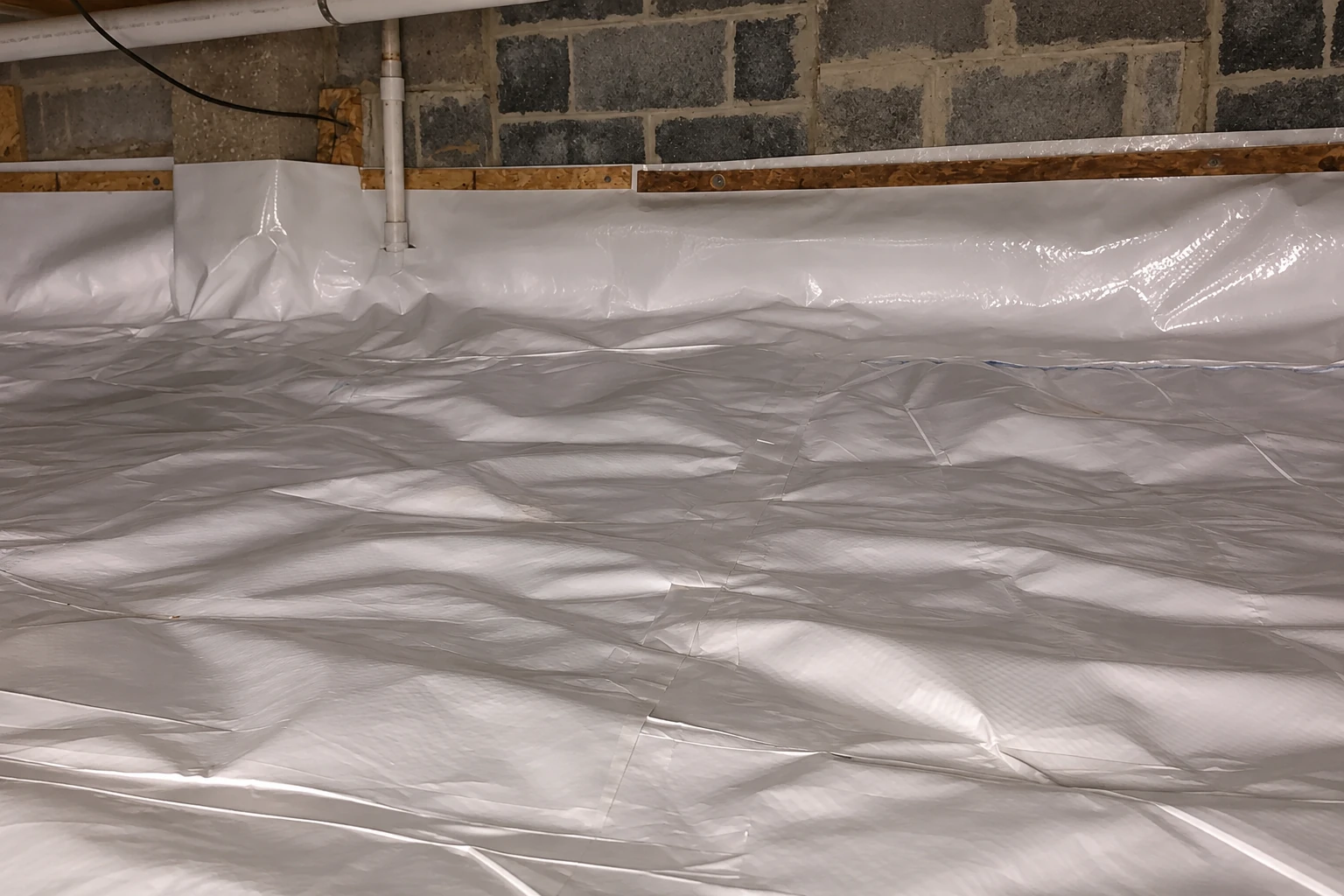
A plastic vapor barrier over the crawl space dirt keeps ground moisture from rising into the floor framing. We lap and seal the seams so it stays put when someone crawls across it.
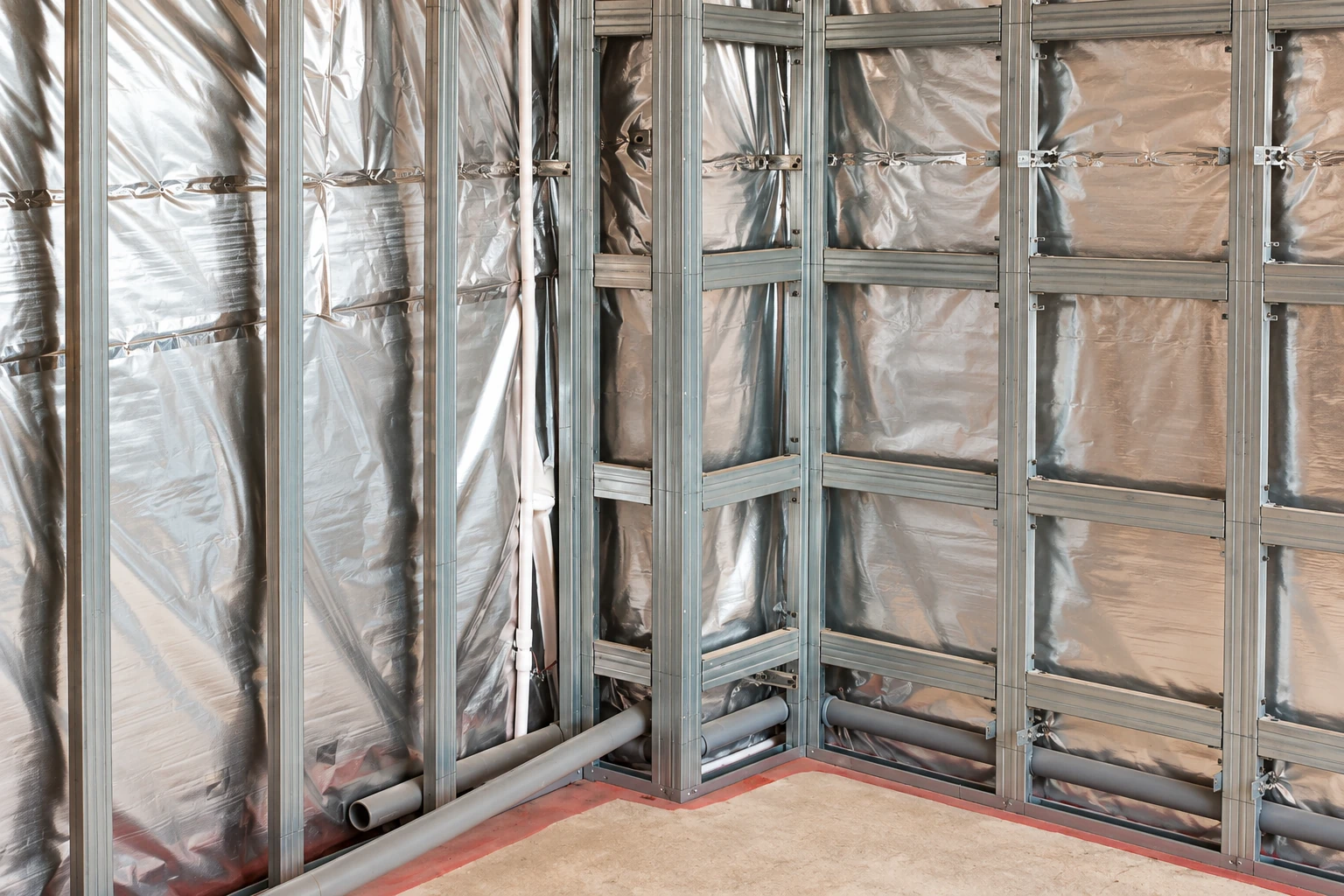
Some walls and floors need a vapor barrier, a sheet that slows moisture moving through, and putting it on the wrong side causes trouble. We work out which side it belongs on for your house first.
In attics over two-story homes, the gaps around can lights, plumbing pipes and the tops of inside walls let upstairs air leak out. We seal those before we add a single inch.
Retrofit insulation adds to a finished house without opening it up more than we have to. It's the usual route when a house was built with less insulation than you'd want living in it now.
Send the form and we'll reply within one business day to set a time for me to come out to your Morrisville house. I look at the attic and crawl space myself, write the estimate and walk you through each line. There's no obligation to go ahead.
(919) 246-8605The permit, where your job needs one, comes from the Town of Morrisville if your address is inside its limits and from Wake County if it isn't. The city's GIS portal lists its ePermits system and a map of the city limits. When a permit is needed, the wait on that office usually sets the start date more than our crew does.
Before we start, I check with the office that covers your address. Where a permit is needed, we handle the paperwork and meet the inspector, so you aren't stuck in the middle. If insulation is one part of a bigger remodel, ask the general contractor about their state license. The questions further down cover when North Carolina requires one.
Price turns on the size of the attic or crawl space, how many inches are already up there, whether old insulation has to come out first, how much sealing the house needs and whether the job calls for foam or loose fill. The written estimate gives you your own number. It's the same work we do in Apex and out in Mebane.
I came up on the crews of a big commercial insulation company, spraying foam and fitting board in warehouses, schools and office buildings, and most of the problems I saw there traced back to a rushed step. I started this business in Durham in 2013 to bring homes that same care. I still come out and write the estimate myself, and I'll show you what's going on up there before we touch it.
Our trained installers do the work with a crew lead on site, and they seal before they insulate because that order is what makes the rest of the job hold up. If your attic only needs the gaps closed and a top-up, that's what I'll tell you, even when foam would be the bigger sale. We're licensed and insured, and the work is satisfaction guaranteed. Call (919) 246-8605 or send us the form to set up a visit.
Most of what changes an insulation job here is the house itself, though one local rule is worth knowing too. These are the things we keep in mind on Morrisville jobs.
Wake County Code Enforcement staff respond to building code, zoning and environmental health violations only in the unincorporated parts of the county. Inside Morrisville's limits, the city handles code enforcement itself. So if you ever have a question about whether work on your house meets code, the same address check that tells us who issues the permit tells you who to ask.
That room has the garage below it, the attic beside its knee walls, which are the short walls under the roof slope, and the roof above. We insulate the floor over the garage, close the gaps where the knee walls meet the attic and cover the backs of those walls. A gap at any one of them shows up as a room that never feels right.
Many two-story houses here run ductwork through the attic, where summer heat works on it all day. Foam under the roof costs more, but it seals and insulates at once and puts those ducts on the comfortable side of the house. With no ducts up there, sealing the gaps and topping up loose fill is usually the better buy, and that's what I'll recommend.
In a lot of attics we open, the insulation is deep in the middle and thin at the edges, which is backward, because the edges cover the tops of your outside walls. Filling out the edges is also where eave vents get buried, and an attic that can't breathe ends up with moisture in the framing. We keep those vents clear while we fill.
Look your address up in Wake County's iMAPS tool, which shows under Jurisdiction whether Wake County or a municipality is the permitting agency. The county's planning department only covers the unincorporated part of the county. We run that same check before we start, so you don't have to.
A general contractor in North Carolina must hold a state license when the total project cost is $40,000 or more, and that rule reaches Morrisville projects too. It comes from the state licensing board for general contractors. If insulation is one piece of a larger remodel, that's the license to ask your general contractor about.
The North Carolina State Building Code applies, because the state's Building Code Council adopts it for use statewide. In a letter to code officials, the State Fire Marshal said the 2018 edition stays in force until the 2024 code takes effect, on a date still to be set. A building owner, or the owner's agent, can ask for the 2024 code on their project.
Your price is set by what's in your attic now and what it needs, so I give you a number after I've been up there. The biggest swings are old insulation that has to come out, a lot of sealing around can lights and pipes, and ducts that make foam the better choice. Your written estimate lists each of those on its own line.
Long enough to seal the gaps before they insulate, and how long that takes turns mostly on what's already up there. A top-up over a clean, dry attic goes quicker than a job where wet insulation comes out first or the attic needs a lot of sealing. I'll tell you what to expect when I write the estimate.
For blown-in attic work and air sealing, most families stay home and just keep kids and pets away from the attic hatch. Spray foam is different, and you plan to be out of the house for a while. At the estimate I'll give you the re-entry time, meaning when you and the pets can come back inside.
Clear a path to the attic hatch, which in a lot of Morrisville houses sits in a closet or the garage, and move anything stored right under it. Tell us about boxes up in the attic, because they have to move before we can seal and insulate beneath them. We lay down covers inside and clean up when we're done.
Call (919) 246-8605 or use the form and name the room that runs hot or drafty, so I know where to start looking when I come out.