Sealcraft Durham Insulation CompanySealcraft Durham Insulation Company

Wall insulation in Durham NC - warmer rooms without tearing out your walls

A cold outside wall or a drafty bedroom usually means an empty wall. We pack it full of cellulose through small holes.

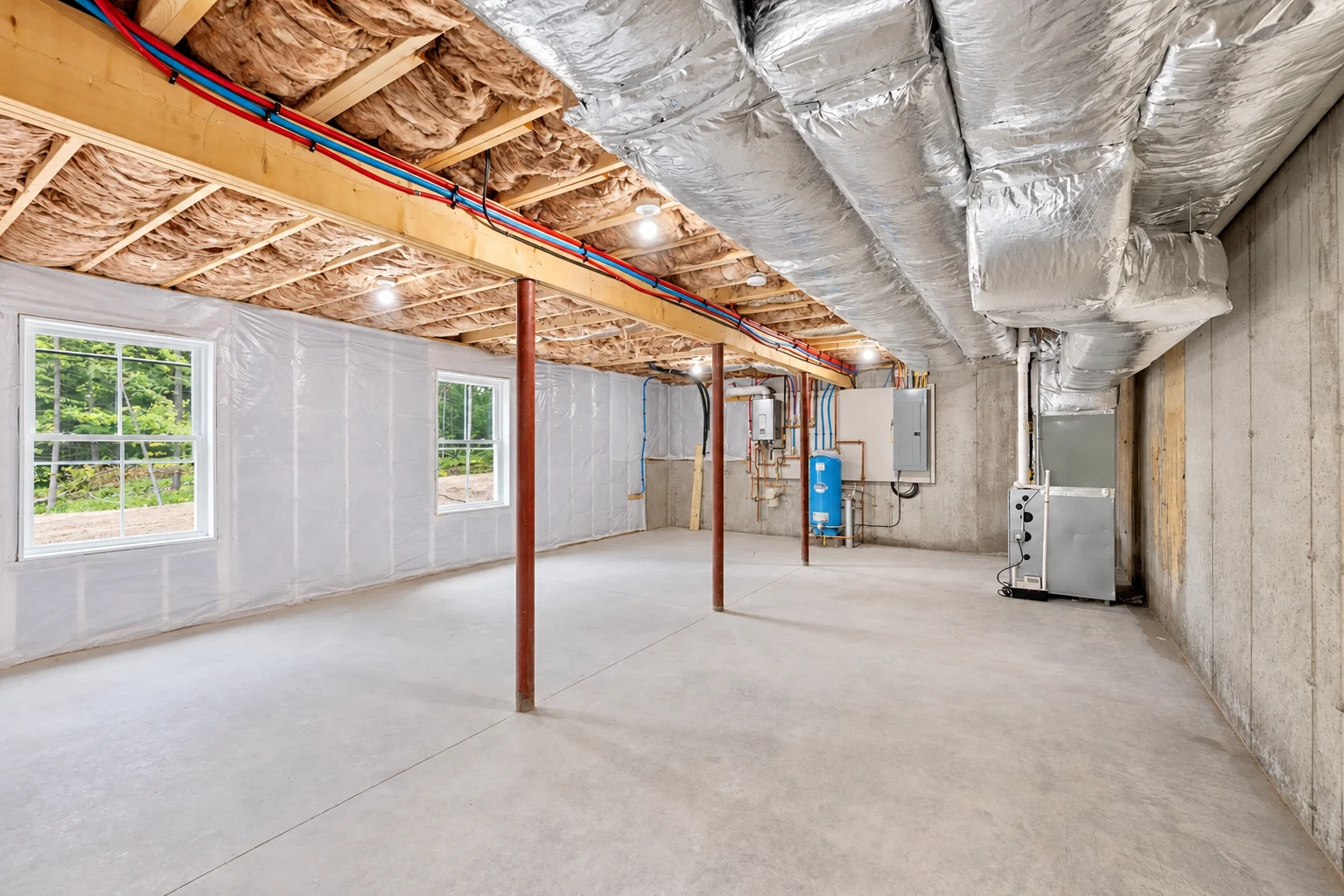
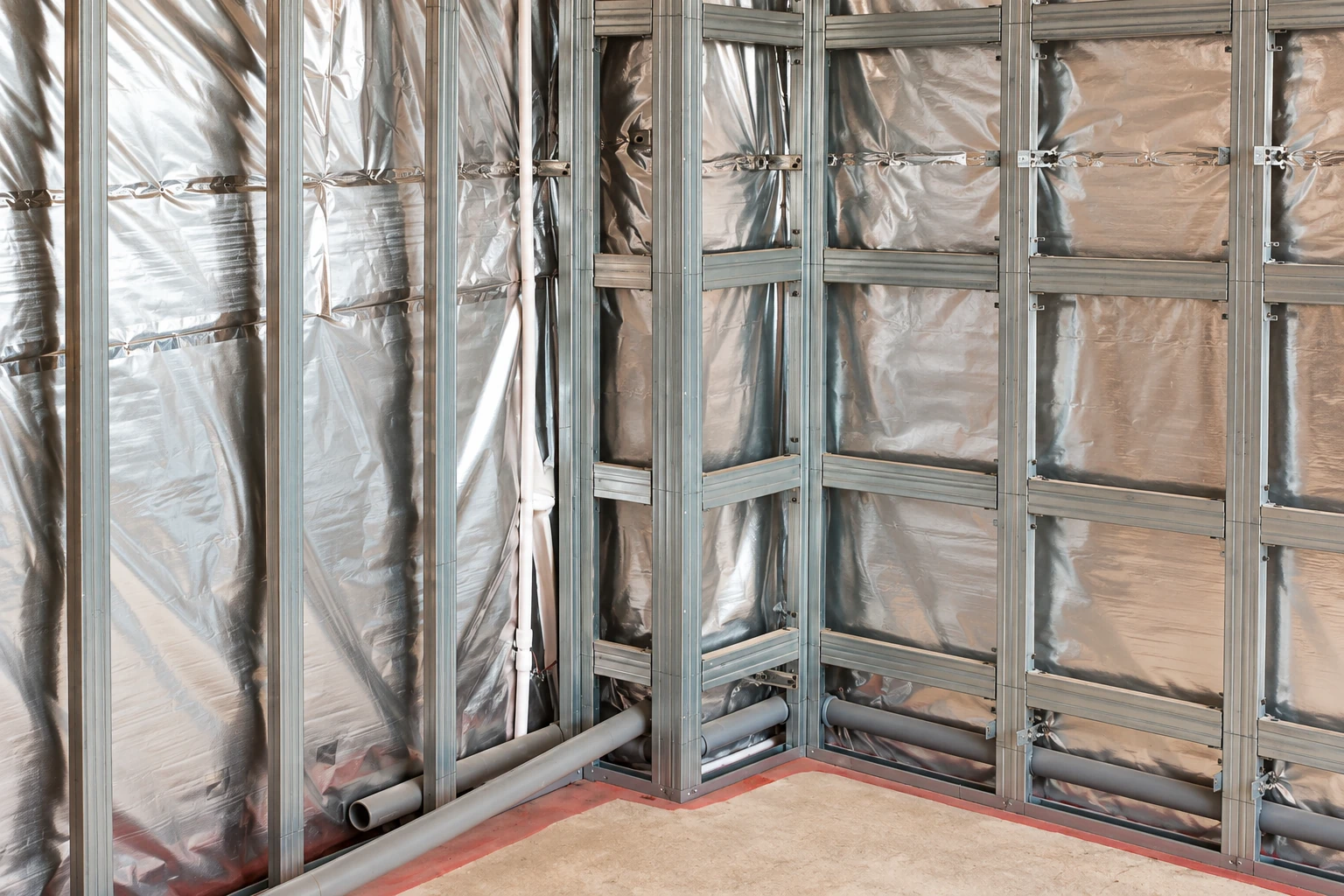
Metal wall framing encloses reflective insulation and pipes in an unfinished room.

Yes. Wall insulation in Durham for an existing home means packing cellulose into the empty spaces inside your walls through small holes, so the room stops feeling cold next to the outside wall and less outside air leaks in.

Can you insulate the walls of a house that's already built?

Most calls start with one room. The back bedroom never warms up, you feel a chill standing near the outside wall, and the power bill keeps climbing. In a lot of houses that's an empty wall. We fix it with dense-pack cellulose, which is blown in through a hose and packed tight, and for a finished house it's the type of cellulose that fits the job.

The price mostly comes down to how much wall we're filling, whether we go in from inside or through the siding, and how much patching or trim work follows. The schedule turns on what's already inside your walls, because older wiring, a chimney or recessed lights all take checking before we drill. You get the estimate in writing, and I walk you through each line.

Where the holes go and how they get closed

Dense-pack goes in through small holes, so where we drill decides what's left to fix afterward. Here's how each side works and how the mess stays contained.

Drilling from the inside

When insulation is blown in from inside, the holes go through your drywall or plaster. Afterward they get patched, or a chair rail, a strip of trim run along the wall about chair height, covers them so you don't see them. Inside work makes sense when your siding is staying put and you'd rather not disturb it.

Drilling from the outside

From outside, the holes go through the siding, and every one gets plugged and sealed. Many walls also have a drainage plane, the layer behind the siding that sheds water, and where yours does, it gets repaired so rain can't get into the wall. That repair matters more than the plug you can see.

Floors and dust

Inside work makes dust, so the floor under the work area should be covered and the area closed off with a containment enclosure, a plastic barrier that keeps dust and debris from spreading. Before any crew starts, ours included, ask how they'll protect your floors and keep dust out of the rest of the house.

What happens after you call about your walls

Here's who does what from the first call to the last walk-through. I do the looking and the explaining, and our crew does the work we planned together.

  1. 1

    Call or send the form

    Call (919) 246-8605 or send the form and tell us what you're noticing, like a cold room, a drafty wall or a high bill. If you know your home's age or what wiring it has, mention that too.

  2. 2

    Look at the walls together

    I come out myself and look at the walls with you. I explain what I see and what I'd do first, then you get a written estimate, and I go through each line with you.

  3. 3

    Our crew does the work

    Our trained installers do the job the way we planned it, with a crew lead on site. Wiring, heat sources and the access holes get handled the way we talked through at the estimate.

  4. 4

    See what we did

    Before we leave, we show you what we did, which walls are filled, how the holes were closed and anything we left alone and why, so you understand your own house.

Request an estimate

How we do wall insulation in finished walls

For walls that are already closed up, we dense-pack cellulose through small holes. Before any hole gets drilled, I find out what wiring runs through those walls and where any chimney or recessed lights sit. That's because one cellulose maker's guide keeps insulation out of stud runs, the spaces between wall framing, that hold heat sources like a fireplace, recessed lights or a chimney.

If you're already redoing siding, that's the easiest time to do it. National guidance says that when siding comes off an uninsulated wood-frame wall, the empty cavity should be blown full before the new siding goes on. The wall is already open, the holes end up under new siding, and you're not paying to get into the wall twice.

Filled walls do their best work when the leaks around them are closed too, so a lot of wall jobs pair with our air sealing services, where we close the gaps air sneaks through. And if the cold seems to come up from below, the walls may not be the whole story, so basement insulation is worth a look while I'm there.

Fill the walls now

If your siding is in good shape, we go in from inside or outside through small holes and close them up after. It's the right call when the cold room can't wait for a siding job.

Plan it with new siding

If new siding is already on your list, fold the insulation into that project. The walls are open, there's nothing to patch, and the siding crew and ours can work in order.

Get a written estimate for your walls

We reply within one business day. Then I come out, look at your walls with you and explain what I'd do first. You get a free written estimate with no obligation.

(919) 246-8605

info@durhaminsulationcompany.com

Wall insulation in Durham and what the city checks

In Durham, building permits come from the City-County Building & Safety Department, and they're required for any project with load bearing work or exceeding $40K in market value. Before we start, we check with the permit office that covers your address, and where a permit is needed, we handle the paperwork and meet the inspector.

The city's insulation inspection list has two items that touch wall work. When spray foam insulation is used, the installers' certification letter has to be provided. And all required air barriers, the layers that stop air leaks, have to be installed. Our wall work is usually dense-pack cellulose, but if foam goes in anywhere on your job, that letter comes with it.

Durham has plenty of older houses mixed in with newer ones, and the older ones are where we most often find empty walls and wiring worth a careful look. We do the same wall work in Chapel Hill and Raleigh, where we check the local permit rules the same way.

Why Durham homeowners call Sealcraft about their walls

I started Sealcraft Durham Insulation Company in 2013, after years on commercial crews spraying foam and fitting board in warehouses, schools and office buildings. What stuck with me is that most insulation problems trace back to a step somebody rushed. So I come out to look at the job and write the estimate myself, and our trained installers do the work with a crew lead on site.

In North Carolina, insulation work on homes falls under the state licensing board's residential contractor rules, which include an insulation specialty. We're licensed and insured. Our work is satisfaction guaranteed. I'd rather tell you a wall shouldn't be filled than fill it and leave you a problem. If you want me to look at yours, call (919) 246-8605 or send the form.

Air sealing services

Full walls hold heat better when the gaps around pipes, outlets and the attic hatch aren't leaking air right past them.

Basement insulation

Cold floors over a basement can make a room feel drafty even after the walls are full, and that cold often starts below.

Where we insulate walls around Durham

We're based in Durham and work in Durham and the cities around it, including Raleigh, Chapel Hill, Cary and Burlington. If you're not sure we come to you, just ask.

Wall insulation questions we hear in Durham

Can you add insulation to existing walls without tearing them out?

Yes, dense-pack cellulose goes into closed walls through small holes, from inside or outside. Wet-spray cellulose seals better, but it isn't the kind used to retrofit existing walls, so for a house that's already built, dense-pack is the one that fits. It also cuts down the outside air leaking indoors.

How long does wall insulation last?

Properly installed cellulose can work well for decades. Packing is what keeps it working, because dense-pack settles very little, while loose fill dropped into a wall can settle and leave a gap that lets heat through. That's why we pack it tight instead of just filling the space.

Is knob and tube wiring a problem for wall insulation?

Yes. One cellulose maker's guide calls for no insulation in any house that uses knob and tube, an early style of wiring run on porcelain knobs. If your house is older, find out what wiring you have before you plan the job, and we can look at it together at the estimate.

How much does wall insulation cost in Durham NC?

Installing blown-in wall insulation across the US usually costs about $4 to $4.50 per square foot. That's the national going rate, not our price. Yours depends on the things covered above, mainly how much wall we fill and which side we drill from, and the written estimate spells it out.

How do I get my house ready for wall insulation?

Pull furniture and wall hangings away from the outside walls we'll be working on, so the crew has room and nothing gets bumped. If we're drilling from outside, clear anything stacked against the house. I'll tell you which walls we're doing when I'm out for the estimate.

How long does it take to insulate the walls of a house?

That turns on how many walls we're filling, whether we go in from inside or outside, and what we find in the wiring. A house with old wiring or a chimney in an outside wall takes more checking before we drill. I'll tell you what your schedule depends on when I see it.

Tell us about your walls today

Have your home's age, the type of wiring and any siding plans handy when you call (919) 246-8605 or send the form, so I come out ready to look at the right things.

(919) 246-8605Request an estimate