
Spray foam insulation
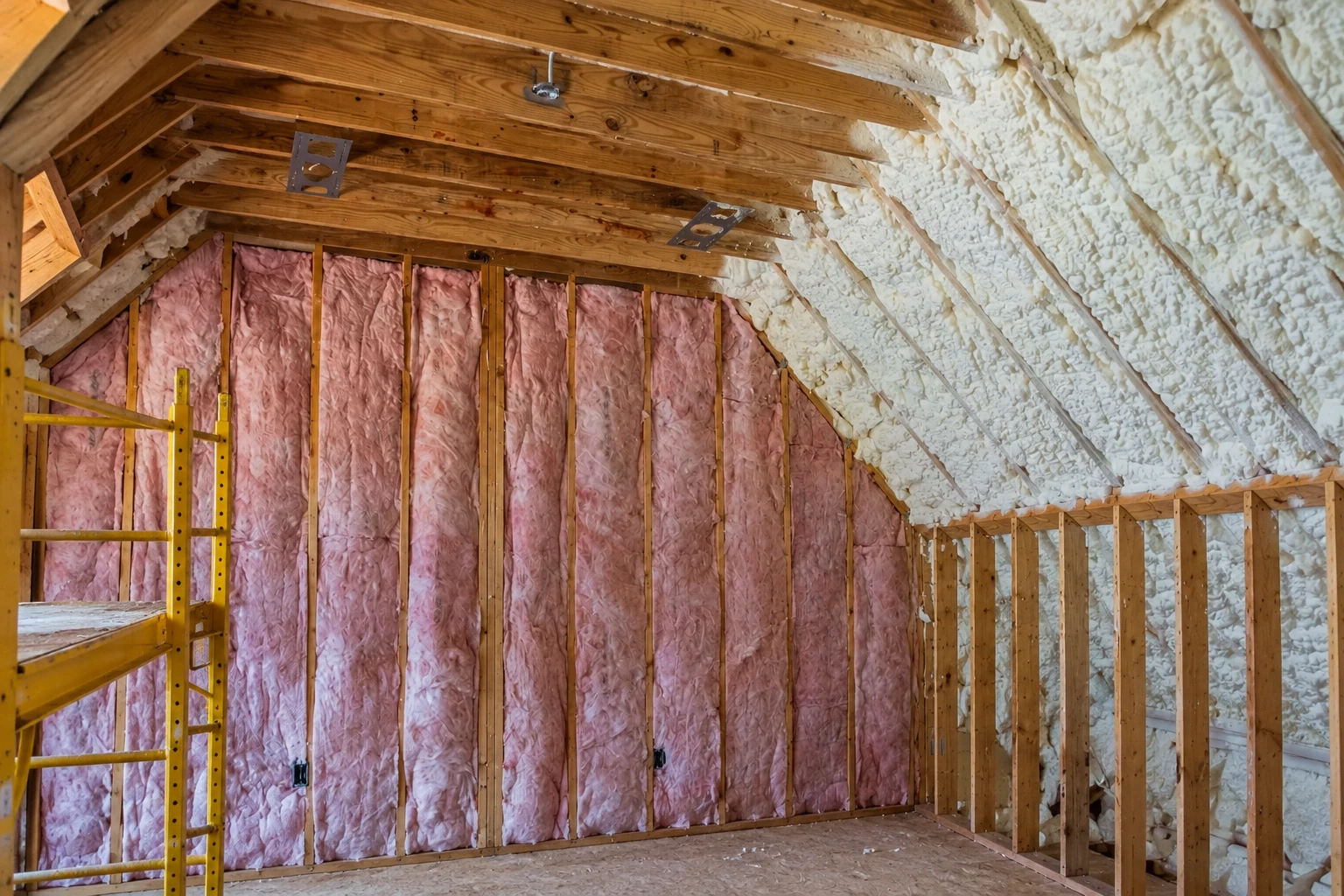
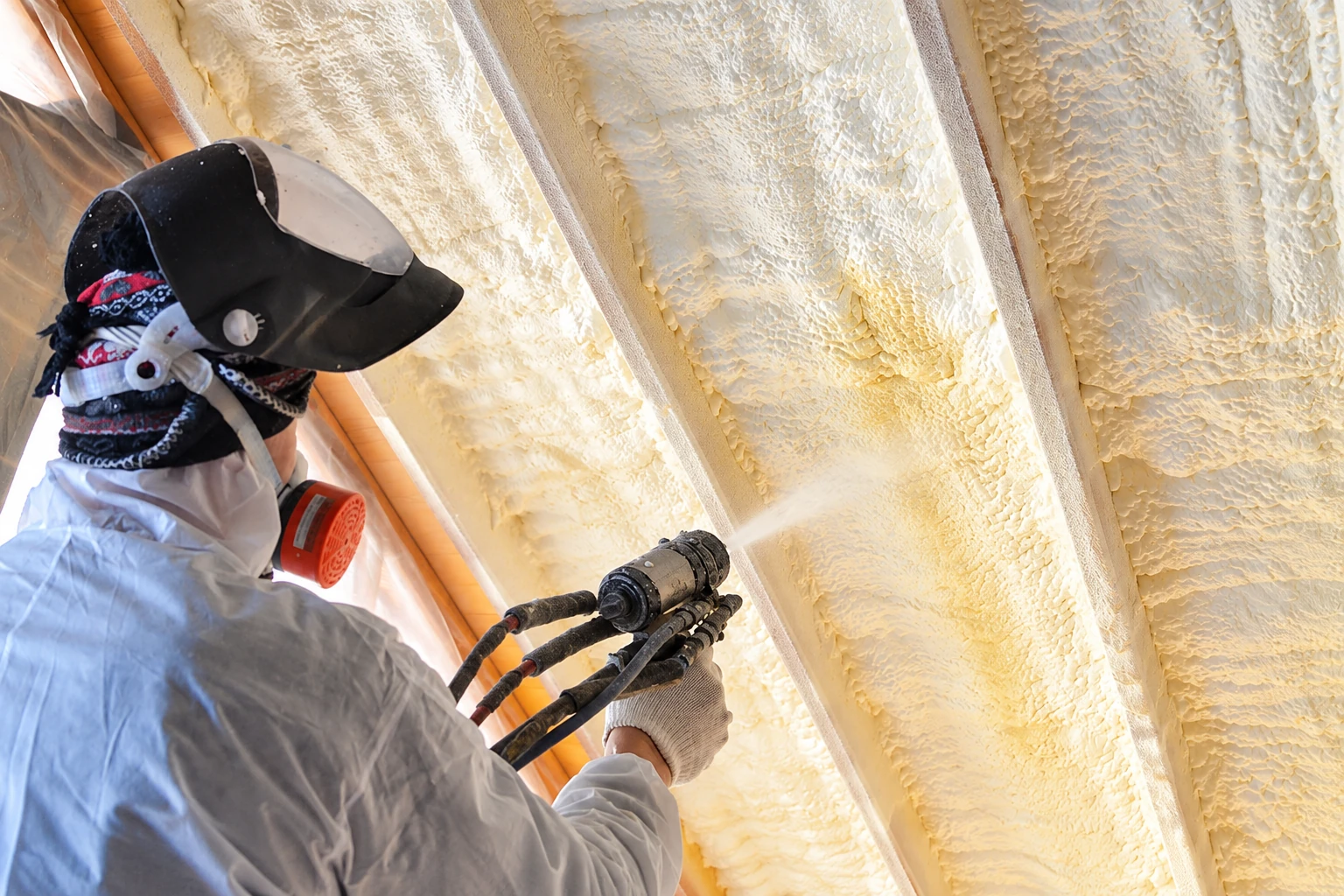
Spray foam suits rooms over the garage, rim joists and odd framing where batts won't sit tight, because it fills the cavity and stops air in one pass.
Sealcraft Durham Insulation Company insulates and air seals homes in Mebane, NC. We work on drafty rooms, hot upstairs bedrooms, cold floors over crawl spaces and the room over the garage that never feels right.
Sealcraft Durham Insulation Company handles attic, wall and crawl space insulation across Mebane, NC, along with the air sealing that should come before it. We also take out old insulation that's gone bad, lay vapor barriers in crawl spaces and spray foam where it makes sense for the house.
Most calls from Mebane start with one room. The upstairs is hot by afternoon, the floor over the crawl space is cold in the morning, or the power bill climbed when nothing else changed. When I go up through the hatch, I usually find the same few things. There's a thin layer that's settled, insulation pushed back from the edges, or open gaps around pipes and lights letting air straight through.
The houses vary a lot across the city. Older homes in the older parts of Mebane often have a few tired inches up top and a crawl space underneath, while newer neighborhoods bring rooms over the garage and attics full of ductwork. We drive out from Durham for this work and do the same jobs in Butner and Hillsborough.
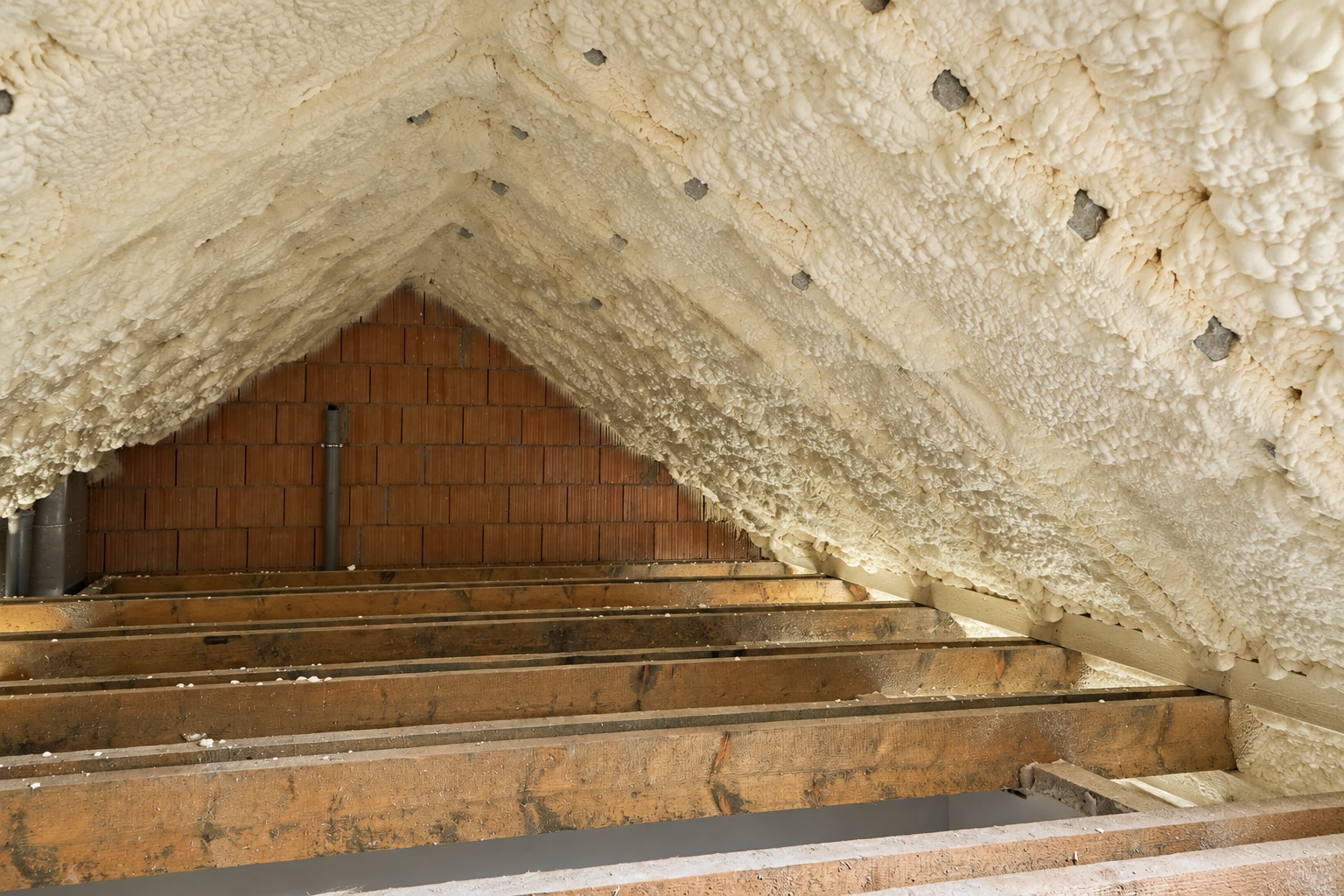
Spray foam suits rooms over the garage, rim joists and odd framing where batts won't sit tight, because it fills the cavity and stops air in one pass.
If the upstairs runs hot or the bill keeps creeping up, we check how many inches are up there, seal the gaps first and bring the attic up evenly out to the edges.
Blown-in insulation, loose fill sent through a hose, is how we top up most attics over finished ceilings, since it settles around joists and wiring without tearing anything out.
When several rooms feel off at once, we look at the whole house, attic, walls and crawl space, and tell you which fix will matter most before you spend anything.
Old insulation soaked by a roof leak or full of droppings has to come out first, because new material laid on top keeps the smell and the problem in your ceiling.
Cold floors in winter usually trace back to the crawl space, so we insulate between the floor joists or along the crawl space walls, depending on how yours is built.
Outside walls in older houses are sometimes empty or half full, and we can blow insulation into closed walls through small holes instead of opening up the drywall.
Air sealing means closing the gaps around pipes, wires, can lights and the attic hatch before we insulate, so the new layer isn't fighting a steady draft.
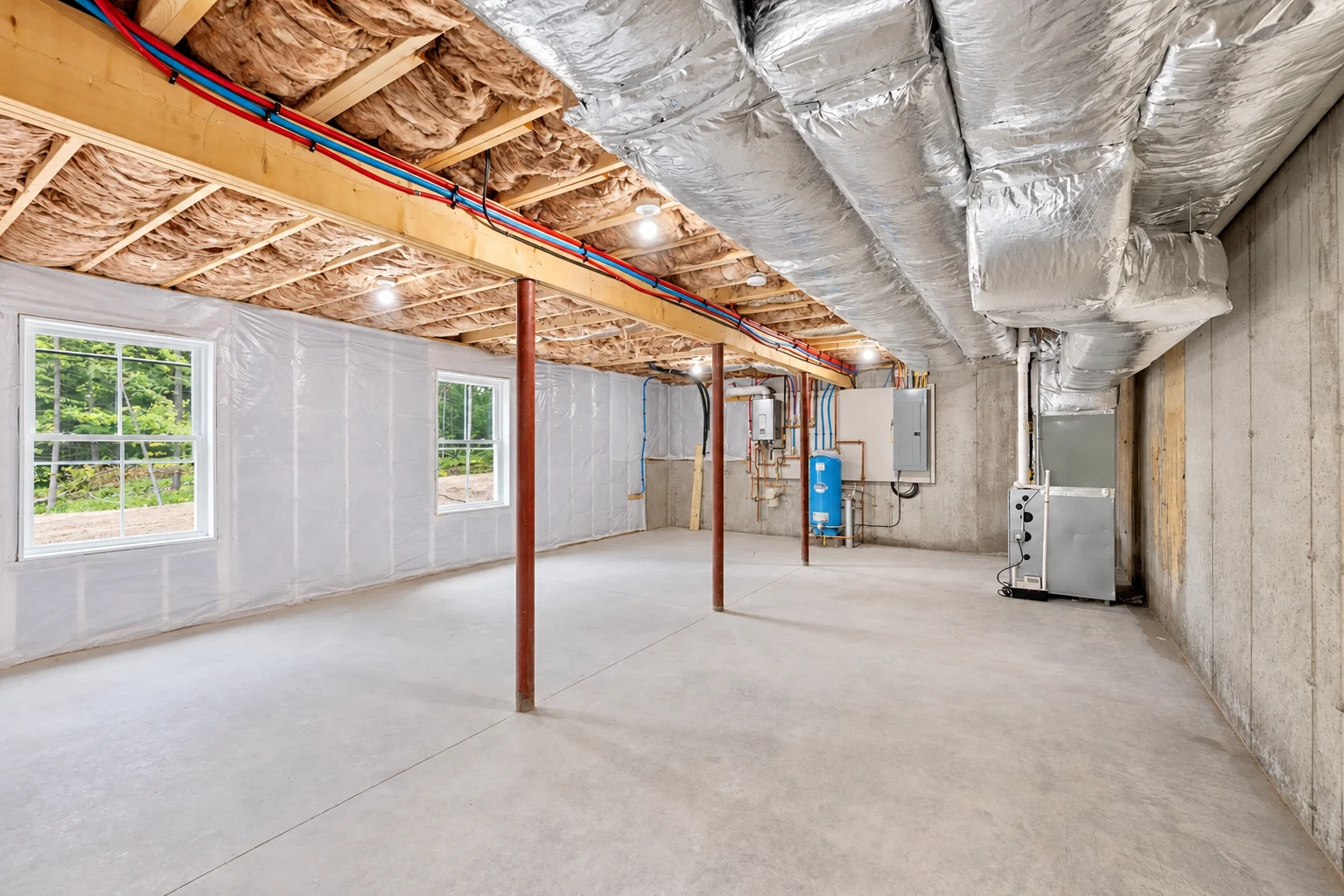
Where a house has a basement, we insulate the walls and rim joist so the floor above stops pulling cold, using materials that handle moisture against concrete.
Closed-cell foam is a dense foam that also blocks moisture, so it fits rim joists, basement walls and crawl spaces where damp air is the bigger worry.
Open-cell foam is lighter and softer, and it works well along an attic roofline when the ductwork lives up there and needs to sit inside the sealed space.
Property managers with offices, shops or rental buildings in Mebane can call us too, since I learned this trade on commercial crews before I started this company.
A plastic vapor barrier over the crawl space dirt keeps ground moisture from soaking the floor insulation and framing above, which protects whatever we install down there.
We put vapor barriers where a wall, floor or crawl space needs one to keep moisture out of the insulation, and we'll tell you where one would trap it instead.
Before anything new goes in the attic, we seal the tops of the walls, the chases and the hatch so warm air stops leaking up, and we keep the eave vents clear so the attic still breathes.
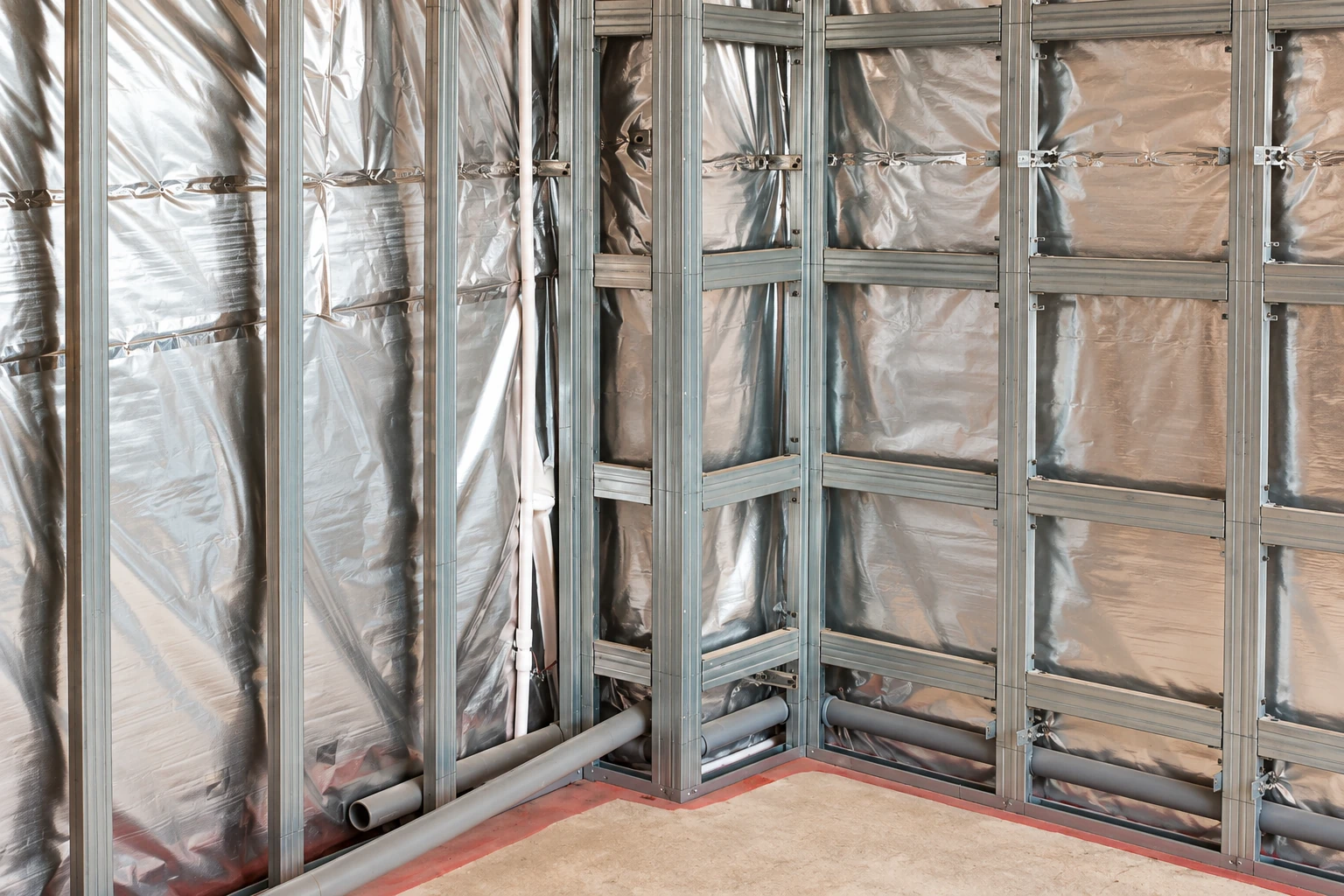
Retrofit insulation is for finished houses where we can't open walls freely, so we work through the attic, the crawl space and small access holes to fill what's missing.
Send the form and we'll reply within one business day to set a time. I come out to your Mebane house myself, look in the attic or crawl space and write up a free estimate, then walk you through each line. There's no obligation to go ahead.
(919) 246-8605In Mebane, the city's Inspections Department handles building permits inside city limits and in the ETJ, the area just outside them where the city still enforces the state building code. Permits go out after review by the city's planning, inspections or fire offices, so when a job needs one, that review sets our start date. We check with the city before every job, and where a permit is needed, we handle the paperwork and meet the inspector.
Mebane doesn't issue general business licenses, so there's no city license to ask a contractor for. What you can check is the state license, which the FAQ below covers. The price turns on the size of the attic or crawl space, how much old material has to come out, how many gaps need sealing and whether foam or loose fill suits the house. Your written estimate spells out each of those, the same way it does for our customers in Burlington.
I learned this trade on commercial crews, spraying foam and fitting board in warehouses, schools and office buildings, and most of the problems I saw there came from a rushed step. I started Sealcraft Durham Insulation Company in 2013, and after 13 years as an insulation contractor in Durham, NC, we still work in the same order. Bad material comes out, gaps get sealed, eave vents stay open, and then the insulation goes in evenly out to the edges.
I come out to look at your house and write the estimate myself, and I'll explain what I found before we touch anything, because a homeowner who understands the attic makes better calls later. Our trained installers do the work with a crew lead on site. We're licensed and insured. Satisfaction guaranteed. To talk it over, call (919) 246-8605 or send us the form.
Mebane has a mix of older and newer houses, and each kind tends to hide its own problem. Here's what we usually look for, and how it changes the job.
In older houses, the insulation up top is often only a few inches deep, and sometimes it's been soaked by an old roof leak or filled with droppings. Laying new material over that keeps the problem in your ceiling. So we check it first, and when it's bad, we take it out, clean up and seal before anything new goes in. That adds work, and I'll show you why on the estimate.
In newer houses, the bonus room over the garage is the one people complain about most. It has outside air below it and attic space beside it, and the floor and the short walls next to the attic are often thin or gappy. We look at all of those, because insulating only the ceiling usually leaves that room hot in summer and cold in winter.
When your heating and cooling ducts run through the attic, the choice between foam and loose fill gets real. Foam costs more, but it seals the roofline and brings those ducts inside the sealed space. When there's no ductwork up there, sealing the gaps and topping up with loose fill usually wins, so that's what I'll recommend.
Cold floors usually point down. A lot of the crawl spaces we see have bare dirt, sagging batts between the joists or open holes where pipes come through the floor. We start with a vapor barrier over the ground, since moisture from below soaks insulation, then seal the openings and insulate the floor or the crawl space walls, whichever fits how yours is built.
The city's inspections office decides that for your address, and we check with it before every job. You can call it at (919) 563-9990. To see whether your house sits inside city limits or in the ETJ, look it up on the city's online zoning map. When a permit's construction costs top $40,000, the city also wants insurance and lien paperwork with it.
Yes, if the total project cost is $40,000 or more, because that's when the NC Licensing Board for General Contractors requires a general contractor to hold a state license. You can look a contractor up with the board. A limited license covers projects up to $750,000 each, an intermediate one up to $1,500,000, and an unlimited one has no cap.
The call has to go in by 4:00 the day before you want the inspector out. On new single-family homes, duplexes and townhomes, insulation is one of the stages the city inspects, and the owner or contractor is responsible for calling each one in. On permitted jobs we handle, we make that call ourselves.
There's no honest number until I've seen the attic or crawl space, so your price comes in a written estimate after I've been up there. The lines that usually move it most are removing bad material and air sealing, because both take hands-on time before any new insulation goes in. I walk you through each line before you decide.
For air sealing and blown-in insulation, most people stay home the whole time while the crew works from the hatch and the crawl space door. Spray foam is different because it has a re-entry time, the wait before you, the kids and pets come back in, and I'll give you that in writing before we schedule. How long we're there depends on the size and any removal.
Clear a path to the attic hatch or crawl space door and move anything stored around it, since the crew carries hoses and material through there. Keep pets in a closed room and leave space in the driveway for our truck. If you keep boxes up in the attic, tell me at the estimate so we can plan around them.
We pick up the phone until 10 PM on weekdays and 9 PM on weekends, so call (919) 246-8605 or use the form and tell us how many inches of insulation you can see from the hatch.