
Spray foam insulation
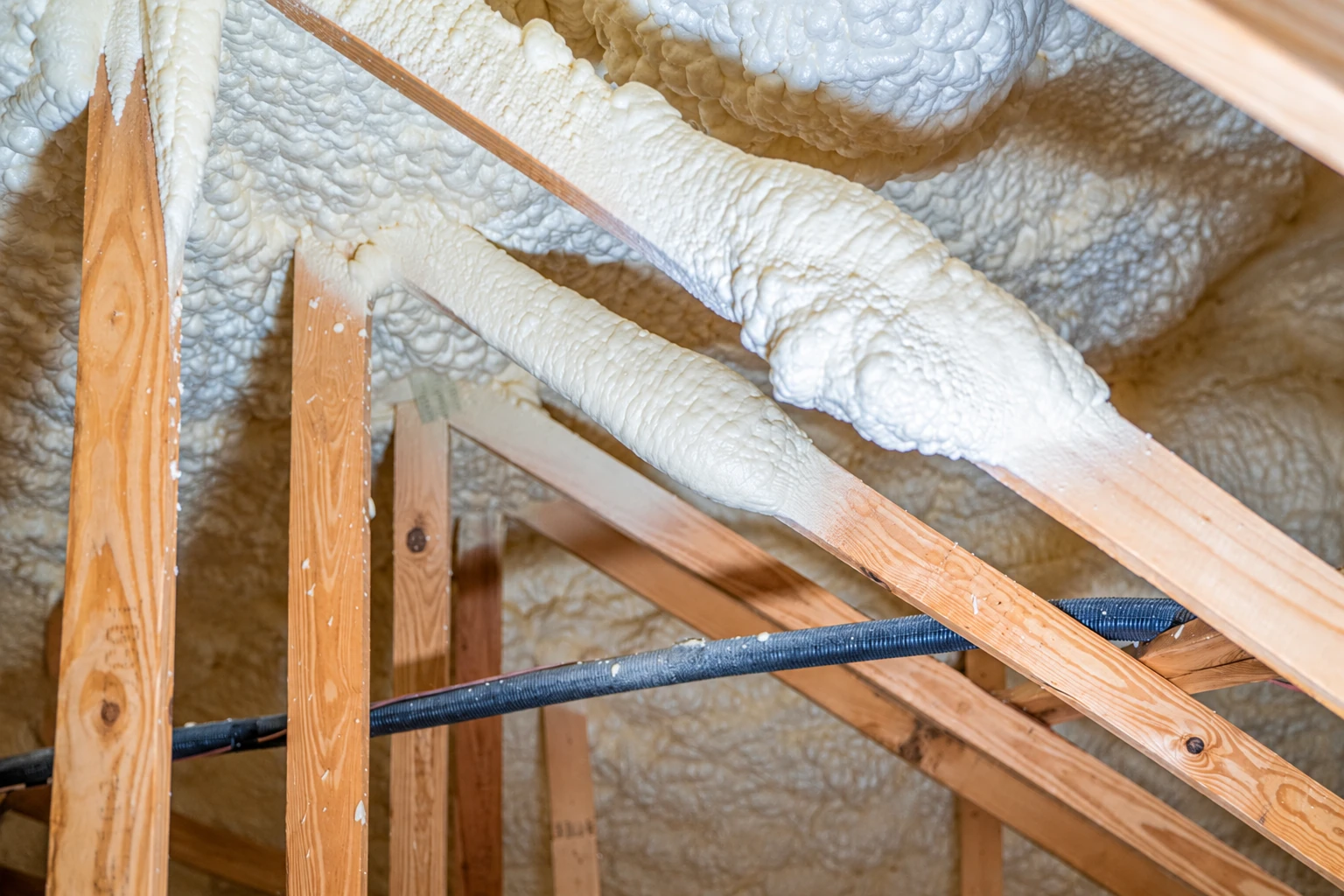
Spray foam seals air and insulates in one coat, so we use it where gaps are hard to reach, like the sloped ceiling of a bonus room over the garage.
Sealcraft Durham Insulation Company insulates attics, walls, crawl spaces and bonus rooms in Cary, NC. We close the air leaks first, then add loose fill or foam where your house is losing heat and cool air.
In Cary, Sealcraft Durham Insulation Company tops up attics, seals air leaks, and insulates crawl spaces, walls and rooms over the garage. Most calls start with a hot room upstairs, a cold floor over the crawl space or a power bill that keeps climbing, and the fix usually starts in the attic.
A lot of the Cary houses we're called to have the heating and cooling ducts running through the attic and a bonus room over the garage that runs hotter than the rest of the upstairs. That room usually has knee walls, the short walls behind a sloped ceiling, and a floor over an unheated garage, so we treat it on its own and don't just lump it in with the main attic.
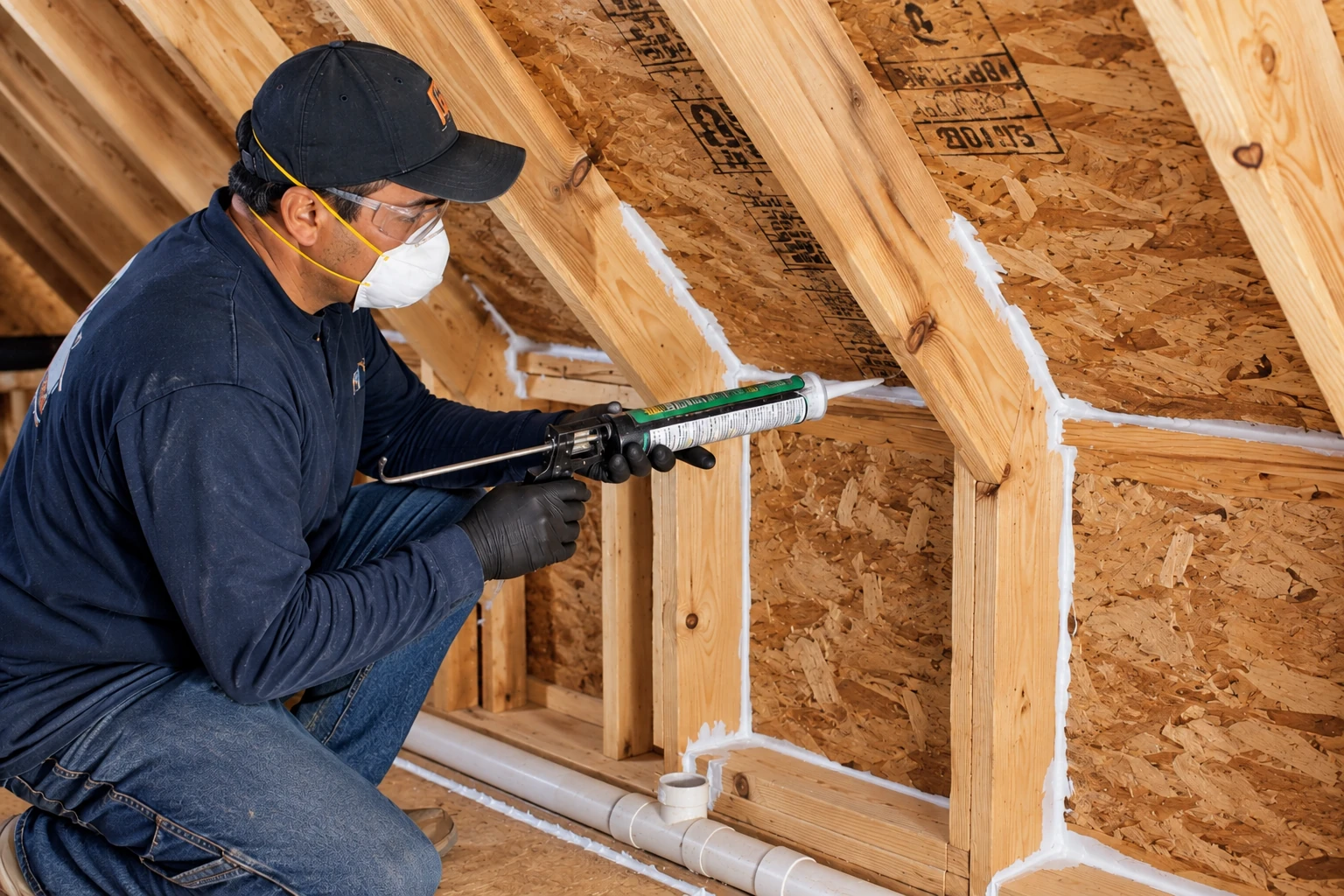
Before we add anything, I check how many inches are already up there, what shape they're in, and whether the gaps around can lights, pipes and the attic hatch have been closed. Closing those gaps is air sealing, and it comes first because new insulation laid over an open gap just lets the draft through. We also keep the vents along the roof edge clear and lay the edges as deep as the middle.
Spray foam seals air and insulates in one coat, so we use it where gaps are hard to reach, like the sloped ceiling of a bonus room over the garage.
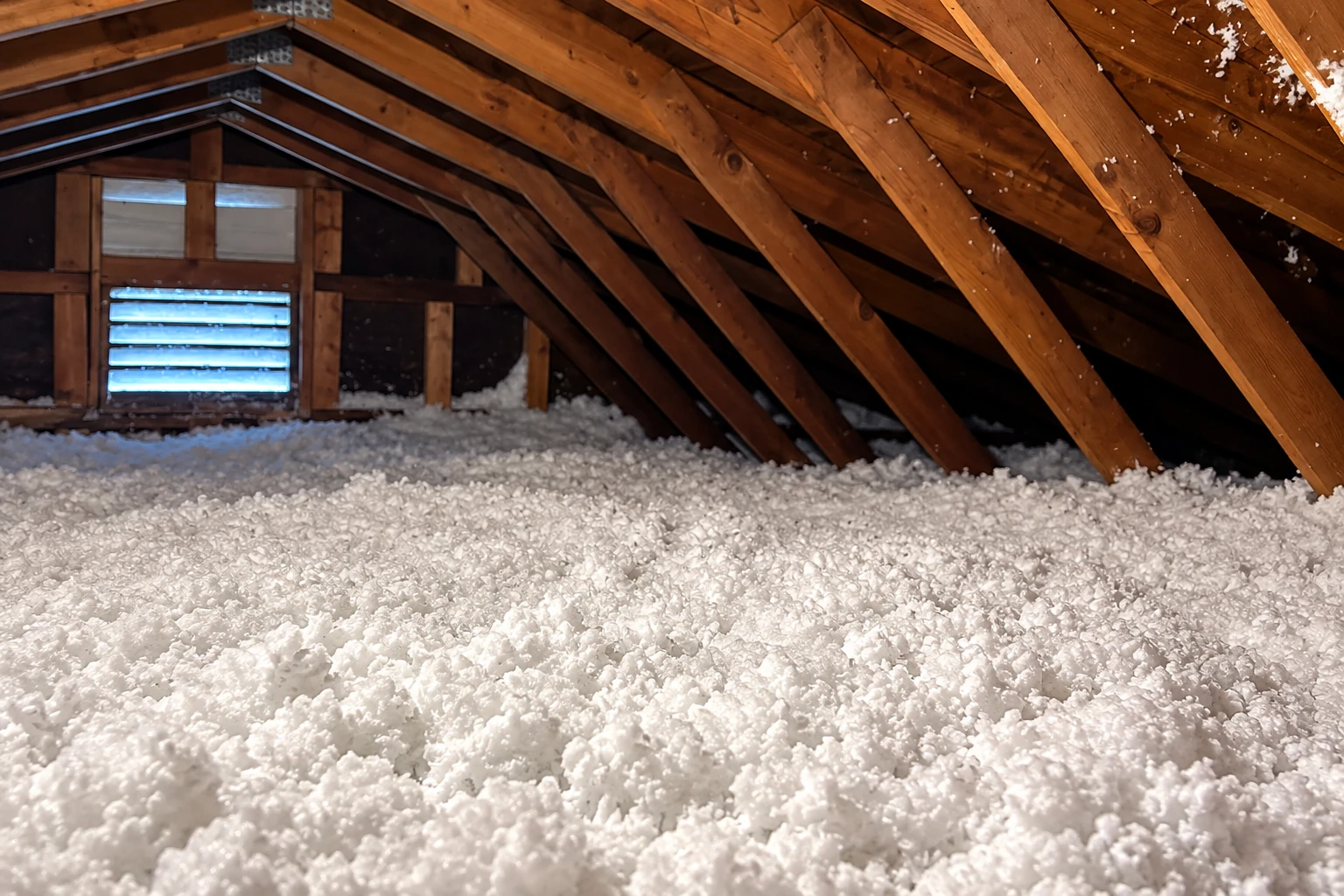
Most hot-upstairs calls end in the attic. We seal the gaps, keep the roof-edge vents open and bring the depth up evenly from the middle out to the edges.
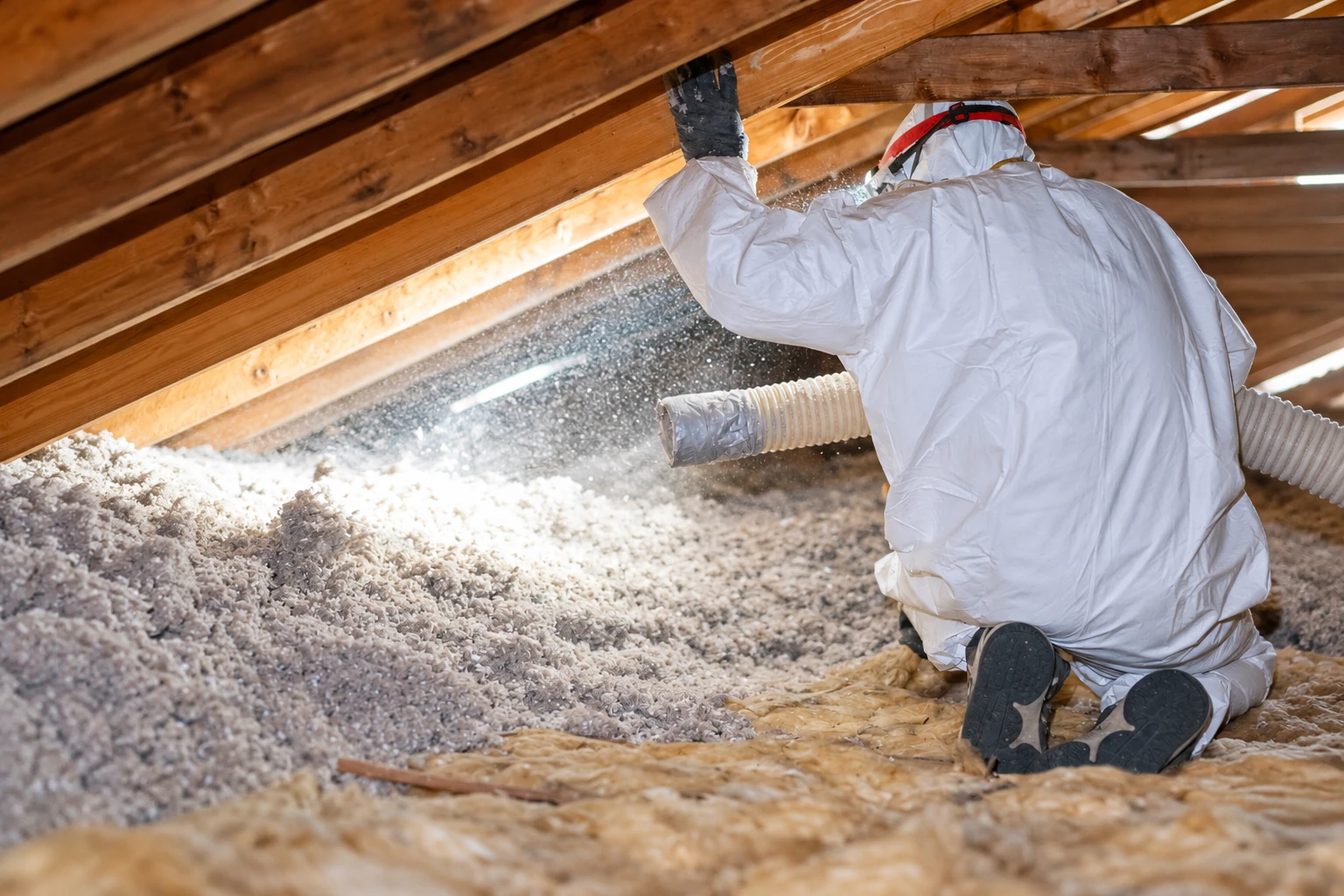
Loose fill blown through a hose settles into the corners around joists and wiring, which makes it the usual way we top up an attic that already has some insulation.
If the whole house feels drafty, I look at the attic, walls and crawl space together so your money goes first to the spot that's losing the most heat.
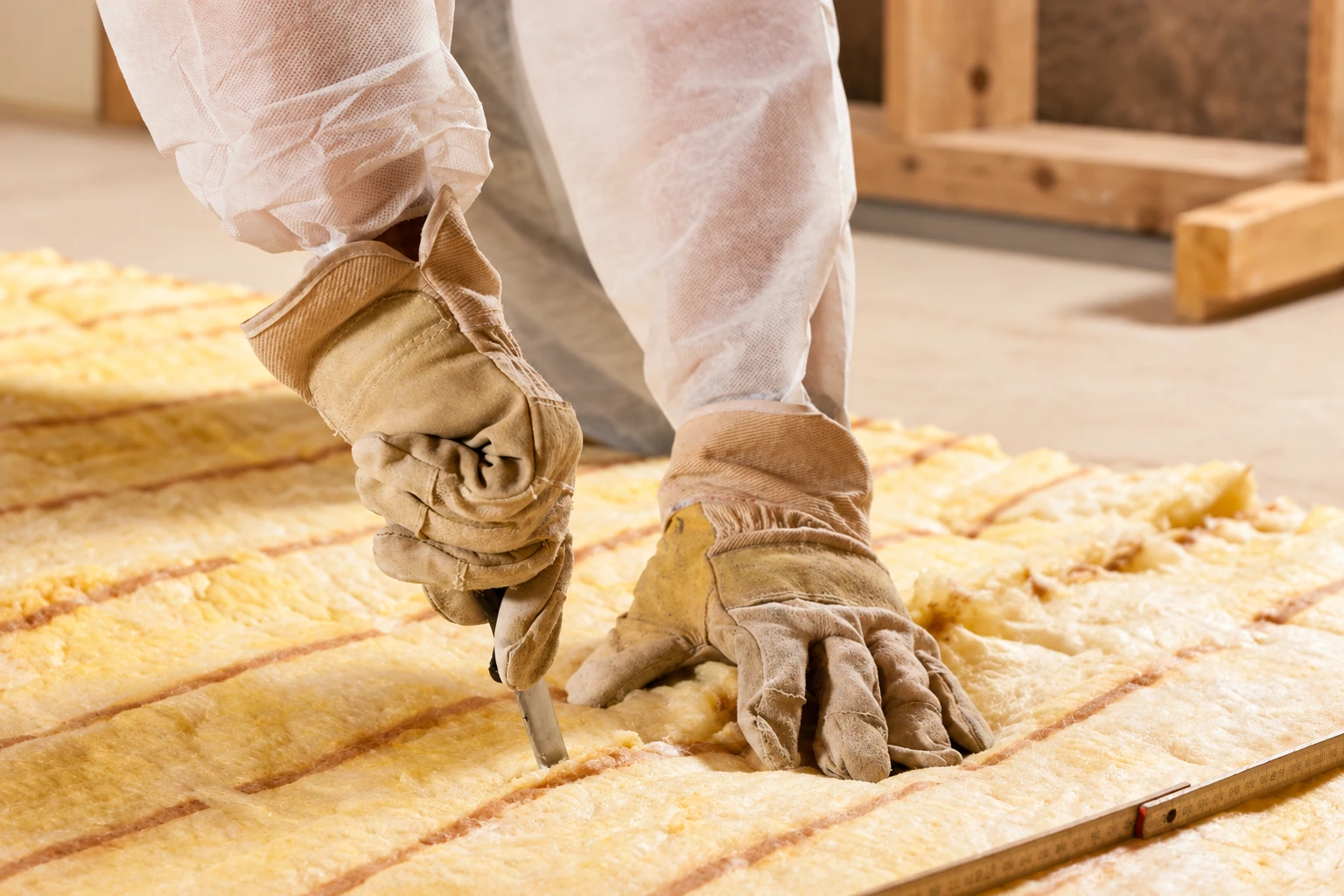
When old insulation is soaked, flattened or full of droppings, we vacuum it out before anything new goes in, because covering it keeps the problem in your attic.
Cold floors over a crawl space usually mean bare floor framing or batts that have sagged loose. We insulate underneath so the rooms above feel warmer in winter.
Older walls with little or nothing in them can be filled without tearing the house apart, which helps rooms that stay cold along the outside wall.
Before any insulation goes in, we close the gaps around pipes, wires, can lights and the attic hatch so the new material isn't fighting a draft.
Basement walls and rim joists, the band of framing where the house meets the foundation, leak more air than most people expect. We insulate them so a finished basement stays comfortable.
Closed-cell foam is dense foam that blocks moisture as well as air, so we reach for it on rim joists, crawl space walls and other spots that see damp.
Open-cell foam is softer and lighter, and it fits well on the underside of a roof deck over attic ductwork when moisture isn't the main worry.
Property managers call us for offices and other commercial buildings, and the years I spent on commercial crews help us plan the work around the people using the space.
A heavy plastic sheet over the crawl space dirt keeps ground moisture from soaking the floor framing and insulation above. We seal the seams and run it up the walls.
We put in vapor barriers where moisture would otherwise work its way into insulation, in walls and floors, so the insulation stays dry and keeps slowing heat.
This is the gap work on its own, around the hatch, wall tops and can lights. It's a good first step when the attic has decent depth but the upstairs still feels drafty.
For a house that's finished and lived in, we add insulation to the existing attic, walls and floors without a remodel, working through small openings wherever we can.
Send the form and we'll reply within one business day to set a time for me to come out to your Cary house. I look at the attic or crawl space myself, write the estimate and walk you through each line, and there's no obligation to book.
(919) 246-8605Here, the Town of Cary issues residential trade permits and building permits, and you can look at its online permit service yourself. If your job needs a permit, our start date waits on it, so we check with the permit office that covers your address before we start, and where one is needed we handle the paperwork and meet the inspector. We're licensed and insured, and it's fair to ask any contractor to show you both before you sign.
The price moves with how much insulation is already up there and what shape it's in, how many gaps need sealing, how easy the attic is to get into, and whether loose fill or foam suits the house. The schedule turns on whether old material has to come out first and on any permit. Your written estimate shows how each of those lands on your house. Cary is one of the cities around Durham we work in, along with Apex, Morrisville and Chapel Hill.
I learned this trade on commercial crews, spraying foam and fitting board in warehouses, schools and office buildings, and I saw there that most bad insulation jobs come down to one step somebody hurried. I started this business in 2013, and as an insulation contractor in Durham, NC, we bring that same care to houses in Cary.
I come out myself to look at the attic or crawl space and write the estimate, and I explain what I'm seeing before we touch anything, because a homeowner who understands the order of the work makes better calls on the house later. Our trained installers do the job with a crew lead on site. We won't blow new insulation over soaked or dirty material, and I'd rather tell you that and lose the job than skip the step. We're licensed and insured, and our promise is simple. Satisfaction guaranteed.
To set up a visit, call (919) 246-8605 or send us the estimate form.
A few things about how Cary's permit office works come up on jobs here, whether or not your insulation ends up needing a permit. Here's what's useful to know as the homeowner.
Cary's 311 Citizen Advocates take questions from inside and outside the city's limits and send each one to the right person. From inside Cary's limits, dial 3-1-1. From outside, the number is (919)469-4000. If you'd like to hear something straight from the city before we start, that's the line to use, and you'll get a person who can point you the right way.
If insulation is one part of a larger project, like an addition or a remodel, the city reviews the plans first. In that case the work for every trade is applied for together through the city's electronic plan review. So our part goes in alongside the builder's, the electrician's and everyone else's, and we work with whoever is running the project instead of filing on our own.
The same online service where permits are handled lets owners schedule inspections and see the results, and it's also where application, permit and re-inspection fees are paid. You don't have to touch any of it. Still, if you want to see the inspection result on your own house, you can look it up there and not wait for us to tell you.
When permit work is finished, the city issues a Certificate of Compliance, but it only emails one if you ask for it at 311@carync.gov. People often don't know that, so the certificate never shows up. We suggest asking once the job is closed out, so you have it on file with the rest of your house papers if you ever need it.
In Cary, residential trade permits come from the Town of Cary, and the city says those permits aren't eligible for refunds. That's one reason we confirm whether your insulation job needs a permit before anyone applies, so you aren't paying for one that doesn't fit the work.
The North Carolina State Building Code applies in Cary, the same as everywhere else in the state. It's set at the state level, not by the city. So if you've had insulation done in Durham, Raleigh or another North Carolina city, the code behind that job was the same statewide code.
Enter your address or parcel PIN in Wake County's iMAPS, and the agency listed under "Jurisdiction" is the one your project goes through. Wake County Planning only handles properties in the unincorporated part of the county, so the lookup settles which office applies to your house.
There's no honest number until I've been up in your attic, because the price depends on what's already there. Old insulation that's soaked or full of droppings has to come out first, which adds labor. Foam costs more than sealing the gaps and topping up with loose fill, and the cheaper route usually wins unless your ductwork runs through the attic.
For loose fill in the attic, most families stay home and just keep kids and pets away from the hatch and the hallway under it. Spray foam is different, because everyone, pets included, stays out until the foam maker's re-entry time, the point when it's safe to come back inside, has passed. I'll tell you which one applies to your job before we book.
Clear a path to the attic hatch and move anything stored in the attic or in the closet under the hatch, because the crew needs room to work and a clear run for the hose. If old material is coming out, expect that area to stay busy a bit longer, since removal comes before anything new goes in.
Call (919) 246-8605 or send the estimate form, and even if you don't book, you'll know how deep your insulation is, what shape it's in and where the air is getting through.