Sealcraft Durham Insulation CompanySealcraft Durham Insulation Company

Commercial insulation in Durham NC - a building that holds its temperature

A top floor that won't cool or a power bill that keeps climbing? We seal the gaps and insulate on a schedule your tenants can live with.

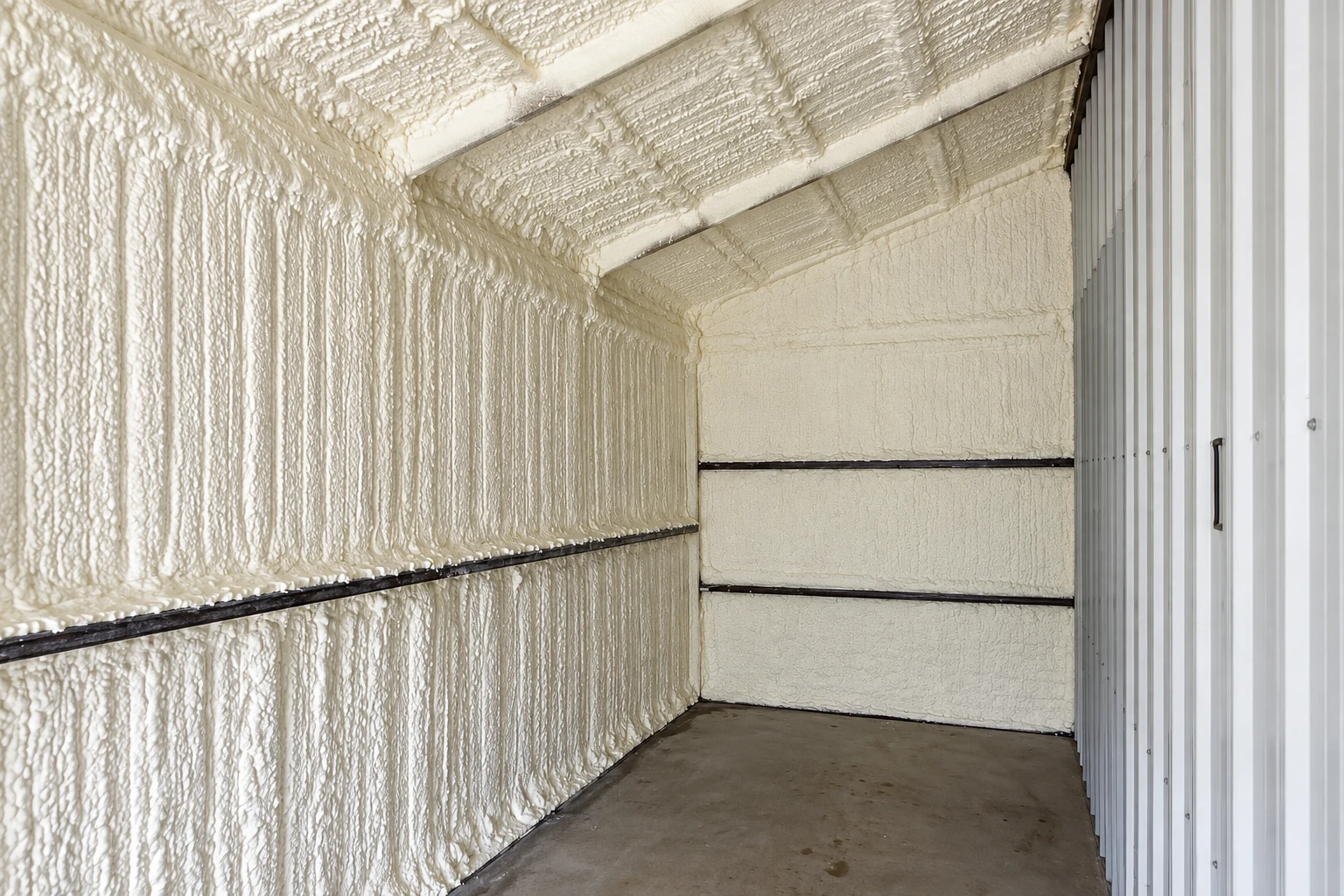
Spray foam insulation covers the walls and ceiling of a commercial metal-sided space with a concrete floor.

Commercial insulation in Durham means adding rigid foam board or spray foam to a building's roof or other parts of its shell, so offices, classrooms and shop floors stop losing heat and cool air through gaps and thin spots.

What does commercial insulation in Durham involve?

Property managers usually call us because a top floor runs hot all summer, a corner office never warms up, or the power bill keeps climbing with no change in how the building is used. Most of the time the cause is plain once we look. Old insulation has settled or gotten wet, gaps around pipes and hatches let air through, or there was never much over the deck to begin with.

The size of the area you want insulated moves the price more than anything, followed by the material and how hard the space is to reach. The schedule turns on whether a re-roof is coming, when your tenants can be out for any spray foam, and whether a permit is needed first. Your own figure comes in a written estimate, and I walk you through each line.

What decides whether the insulation actually works

Most insulation problems trace back to a step someone rushed. These are the three we slow down for on commercial jobs, whatever material goes in.

Bad old material comes out

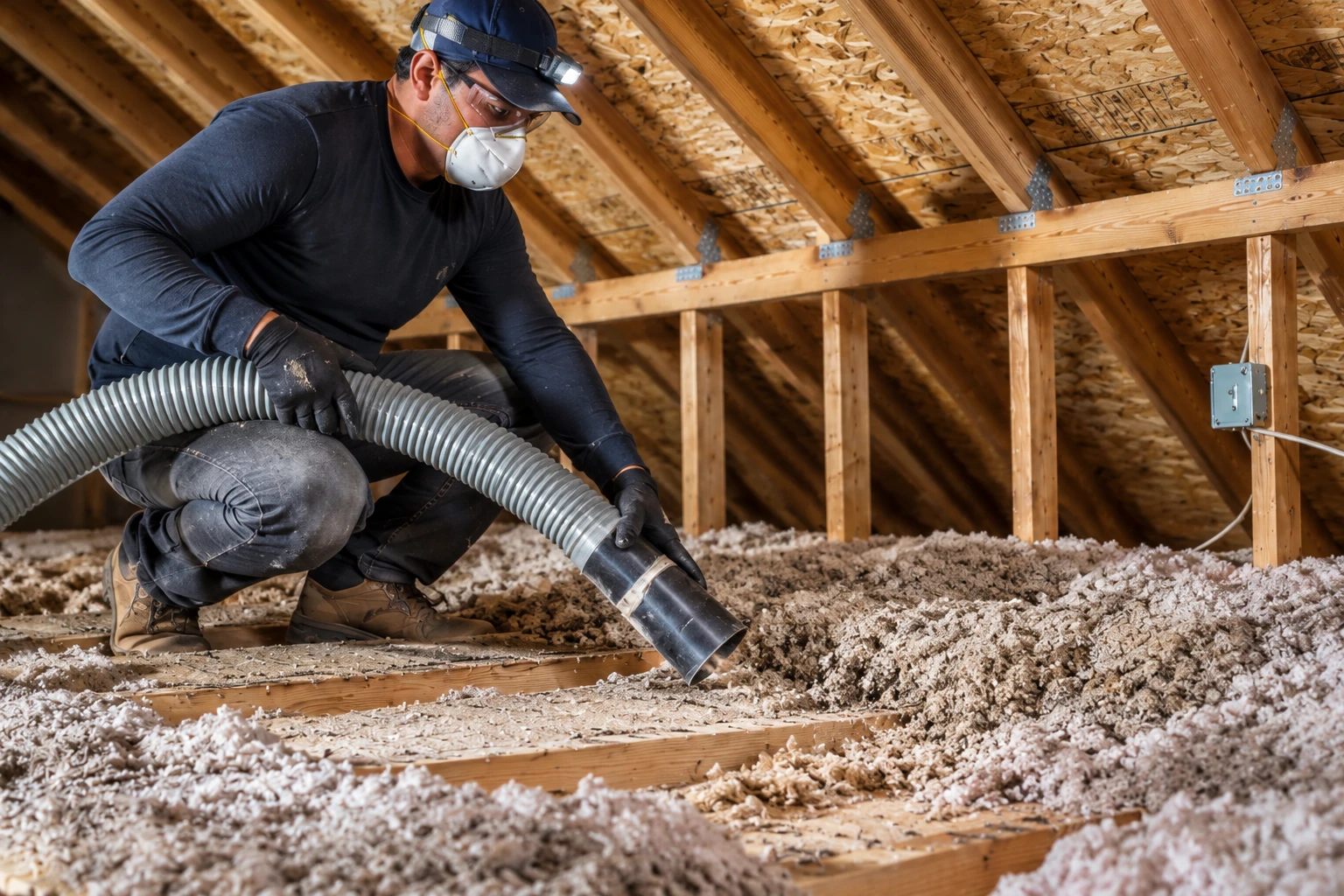
If the old insulation got soaked by a roof leak or is full of droppings, it comes out before anything new goes in. Laying fresh material on top just buries the problem, so you'd be paying to insulate over something that keeps causing trouble.

Gaps get sealed first

Air sealing, closing the gaps before we insulate, comes first because moving air carries heat right past the insulation. We usually find those gaps around pipes, conduit, roof hatches and light fixtures, and if they stay open, the new layer spends its whole life fighting a draft.

Full depth out to the edges

Coverage that's deep in the middle and thin at the edges is backward, since the edges sit right over the outside walls. We also keep vents clear while we work, because a buried vent stops the space from breathing and the moisture shows up later in the framing.

What happens after you call us about your building

From the first call to the last walk-through, you deal with the same small team. Here's who does what, so you know what to plan for on your end.

  1. 1

    Call or send the form

    Call (919) 246-8605 or send the form and tell us a little about the building and what you or your tenants are noticing. We'll set a time for me to come out.

  2. 2

    Walk the building with me

    I come out myself, look at the roof, walls or crawl space with you, and explain what I see and what I'd do first. Then you get a written estimate, and I go through each line with you.

  3. 3

    Our crew does the planned work

    Our trained installers do the job the way we planned it, with a crew lead on site you can go to with questions. Nothing gets added or skipped without talking to you first.

  4. 4

    See what we did

    Before we leave, we show you the finished work, so you know what's over the deck or behind the ceiling and can explain it to the next roofer or inspector who comes through.

Request an estimate

How we plan commercial insulation around your roof and tenants

If a re-roof is coming, tell me early, because that's the best time to add insulation over the deck. Rigid foam board goes on top of the deck before the new roofing, with an air control membrane underneath it so moist inside air can't work its way into the joints. You get one job instead of two, and the roof and insulation are built to work together.

When spray foam is part of the job, we work out with you when tenants and staff can be out of the space. For an office that might mean a weekend, and for a school it usually means while classes are out. Settling that before the work is booked keeps the schedule honest and keeps people out of the way of the crew.

Moisture is the other thing we plan for. Building-science guidance, written for homes, says air barriers belong everywhere, while vapor retarders, layers that slow moisture moving through materials, go only where that movement is a concern. Whether a building needs one depends on its climate and construction, so we look before we choose between a crawl space vapor barrier under the floor or vapor barrier installation in a wall or ceiling.

Foam board over the deck

This is the one I'd pick when the roof is being replaced anyway. The board goes on with the new roof, so most of the work happens up top, away from the people working inside.

Seal and insulate from inside

When the roof has years left, we work from below. Foam costs more and seals air while it insulates, but sealing the gaps and topping up loose fill usually wins, unless ductwork runs through that space.

Get a written estimate for your commercial building

Send the form and we'll get back to you within one business day to set a time. I come out, walk the building with you and explain what I see, and then you get a written estimate. It's free, and there's no obligation.

(919) 246-8605

info@durhaminsulationcompany.com

Commercial insulation permits and jobs in Durham

Durham's City-County Building & Safety Department issues building permits and handles plan review and inspections for both the city and the county. A permit is required for any project with load bearing work or more than $40,000 in market value. An insulation job may or may not cross that line, and a bigger scope, like one folded into a re-roof, adds to the value. Before we start, we check with the permit office that covers your address, and where a permit is needed, we handle the paperwork and meet the inspector.

We're based in Durham and work across the city and the cities around it, including Raleigh, Chapel Hill, Cary and Burlington. Around here, the calls from property managers are usually about a top floor that won't cool, an older building with little over the deck, or a space where a roof leak soaked what was there. If you're not sure we come to you, just ask.

Why Durham property managers call Sealcraft for commercial insulation

I learned this trade on the crews of a big commercial insulation company, spraying foam and fitting board in warehouses, schools and office buildings. That's where I saw that most insulation problems trace back to a step someone rushed. I started Sealcraft Durham Insulation Company here in 2013, and 13 years on, I still come out to look at the job and write the estimate myself.

Our trained installers do the work, with a crew lead on site. We're licensed and insured. If you're comparing bidders on a spray foam job, the usual hiring advice is to check the crew's training, insurance and licenses, and to check references. Ask us those questions the same way you'd ask anyone else. Satisfaction guaranteed.

I'd rather lose a job by being straight with you than win it by skipping a step. If you want someone to explain what's going on in your building before anyone touches it, call (919) 246-8605 or send us the form, and I'll set up a time to come look.

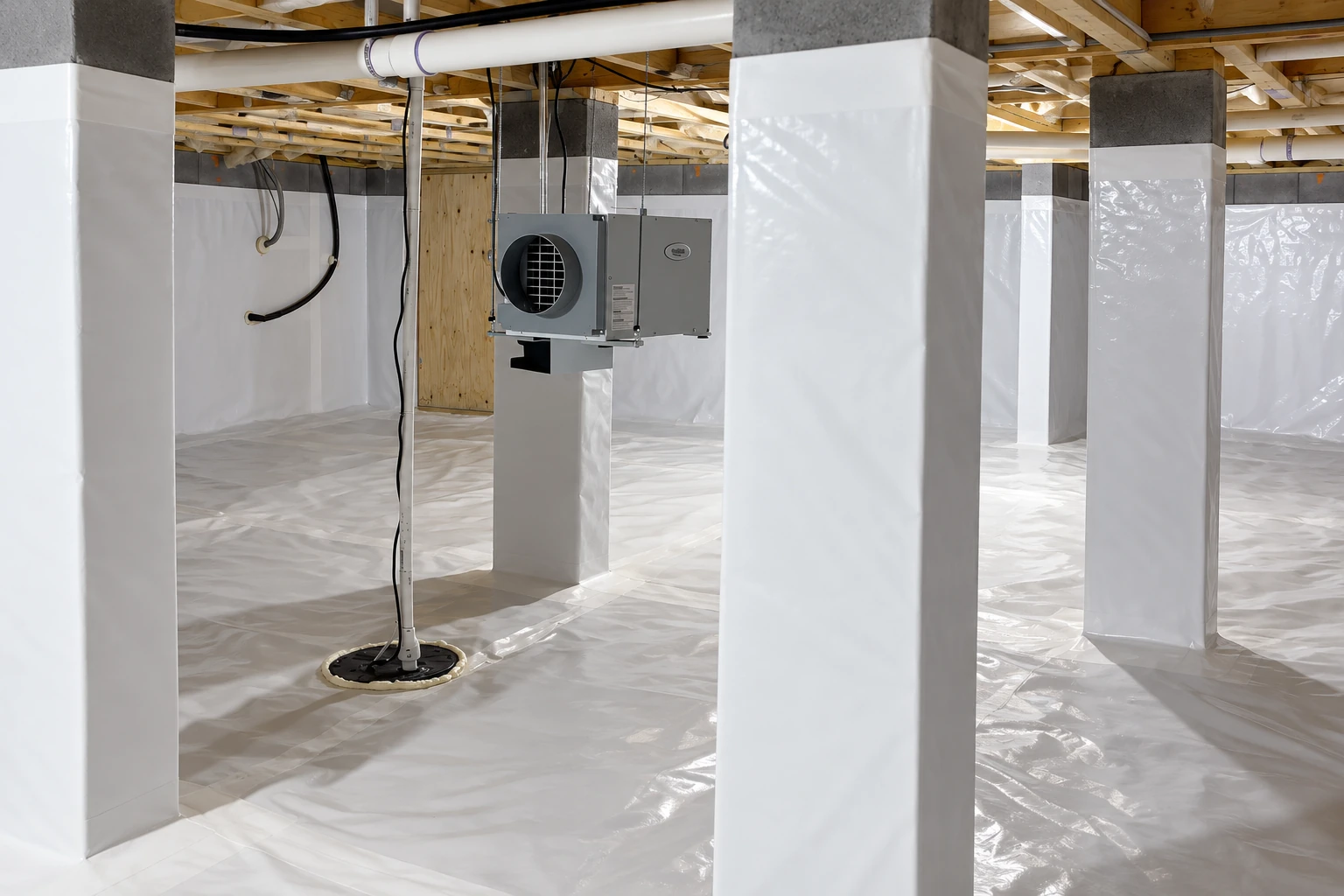
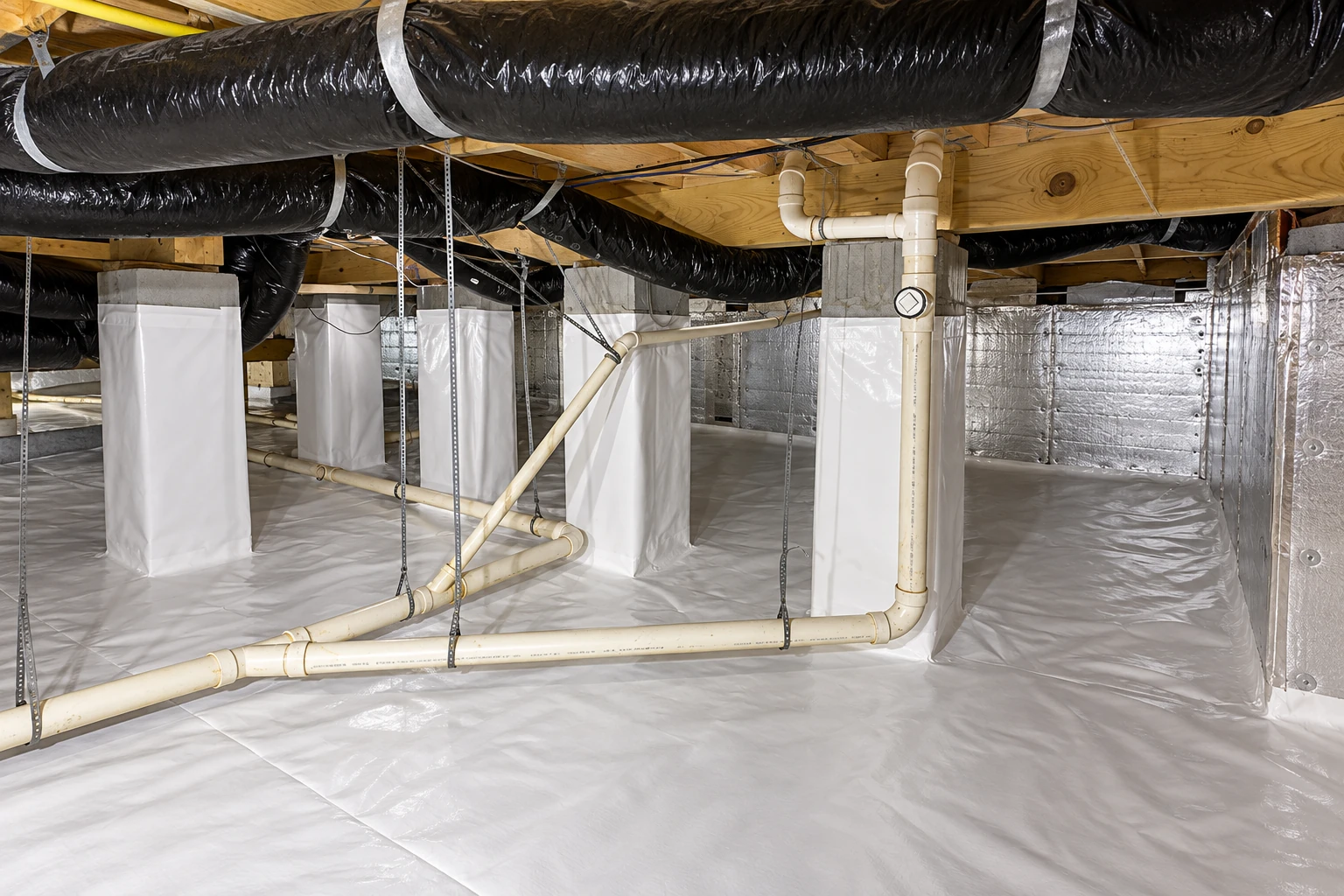
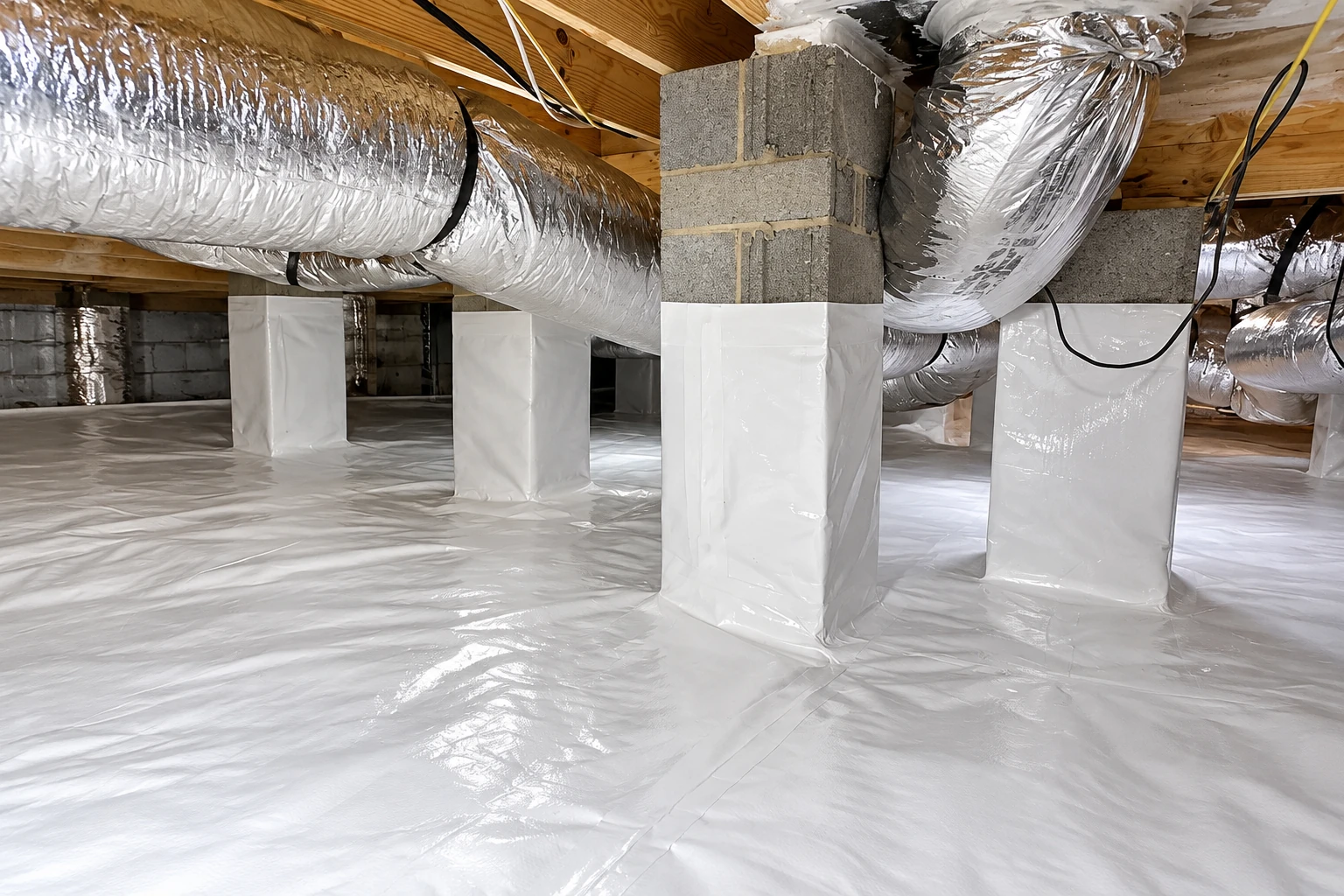
Crawl space vapor barrier

If your building sits over a crawl space, a ground cover keeps damp from rising into the floor above it.

Vapor barrier installation

When a wall or ceiling needs a layer to slow moisture, this covers where one belongs and where it doesn't.

Cities where we insulate commercial buildings

We're based in Durham and take commercial insulation jobs in the cities around it too. The cities below have their own page, but they aren't the only places we go, so ask if yours isn't listed.

Questions about commercial insulation in Durham

How much does commercial insulation cost in the Durham area?

Insulation in nearby Raleigh usually costs about $1.50 to $3.50 per square foot, which is a guide to the market, not our price. Since it's priced by the square foot, your total follows the size of the area, along with the material and access. Your own number comes from the written estimate after I've seen the building.

When can insulation work start on a commercial building in Durham?

If the job needs a Durham permit, no work can begin until that permit is issued. Whether it needs one turns on the scope and value, as covered in the Durham section above. When a permit is required, we book the crew for after it's in hand rather than guessing at a date.

Can tenants stay in the building during spray foam insulation?

No. Spray foam guidance says occupants and any trades not doing the foam work should be out while it goes in. Ventilation keeps running afterward, and people stay out until the space is fully ventilated and cleaned. The foam maker sets the safe re-entry time, so ask for it when you schedule the job.

Who is allowed to do commercial insulation work in North Carolina?

North Carolina's general contractor board says its Building Contractor license covers commercial building construction and work in the insulation specialty classification. A contractor with a limited license can run any single project worth up to $750,000, not counting land. On a bigger project, ask each bidder which license level they hold.

What should I have ready before asking for a commercial insulation estimate?

Have the building type, the size of the area you want insulated and any plans for a re-roof ready. Those three shape the price and the schedule more than anything else, and a coming re-roof can change what I'd recommend. Then call or send the form, and we'll set up a visit.

What time of year is best for spray foam insulation in Durham?

It depends on the weather around the job, because spray foam curing varies with conditions. The usual advice is to ask any bidder which time of year suits the work here and what weather could get in the way. I'll answer both for your building when I come out.

Book a walk-through of your building

Call (919) 246-8605 or send the form, because a look at what's already up there tells you whether you're topping up or starting over before you set a budget.

(919) 246-8605Request an estimate