Sealcraft Durham Insulation CompanySealcraft Durham Insulation Company

Open-cell Foam Insulation in Durham, NC - a quieter house with fewer drafts

Drafty rooms, a hot upstairs or a noisy room over the garage? We spray open-cell foam that stops the air and quiets the space.

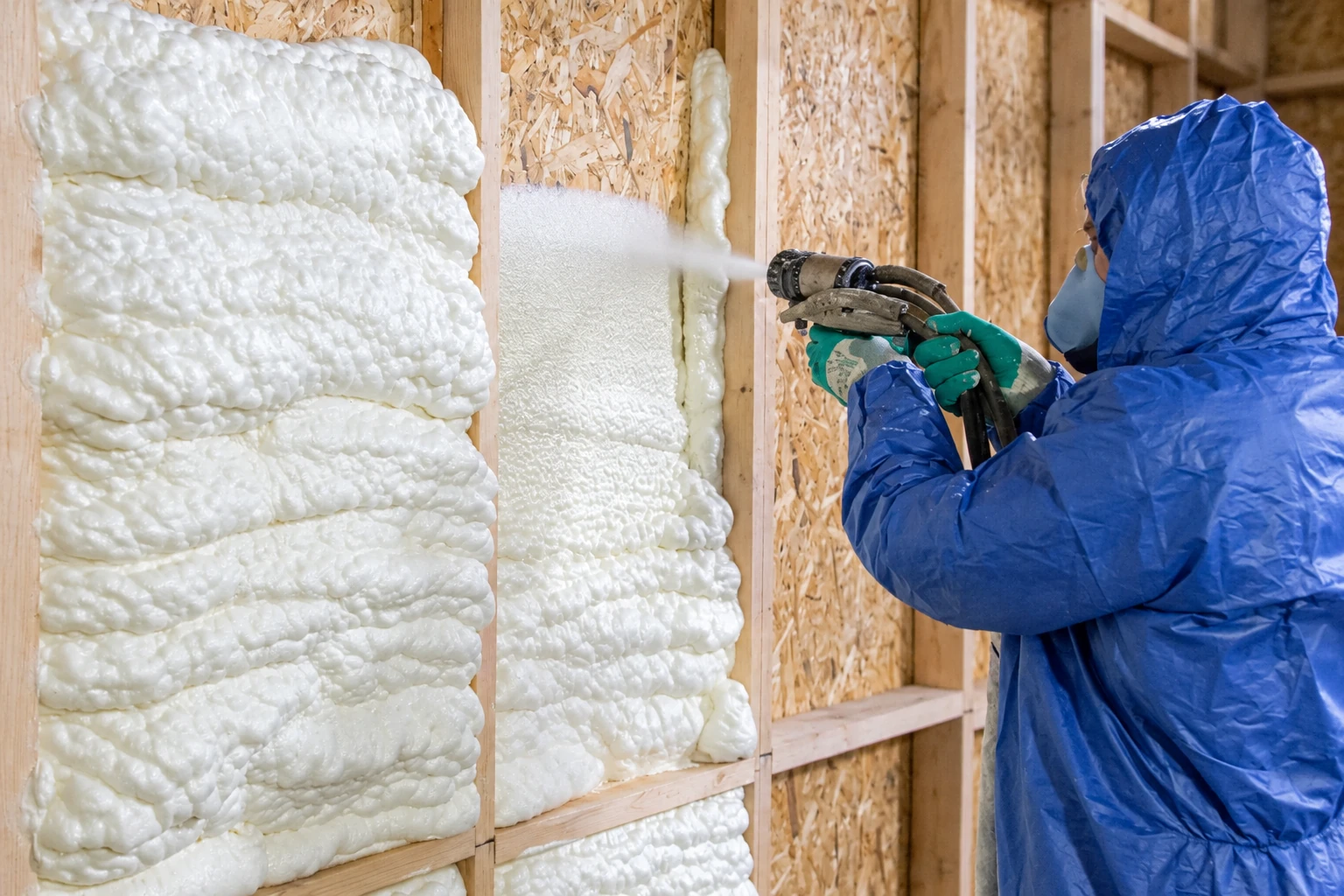
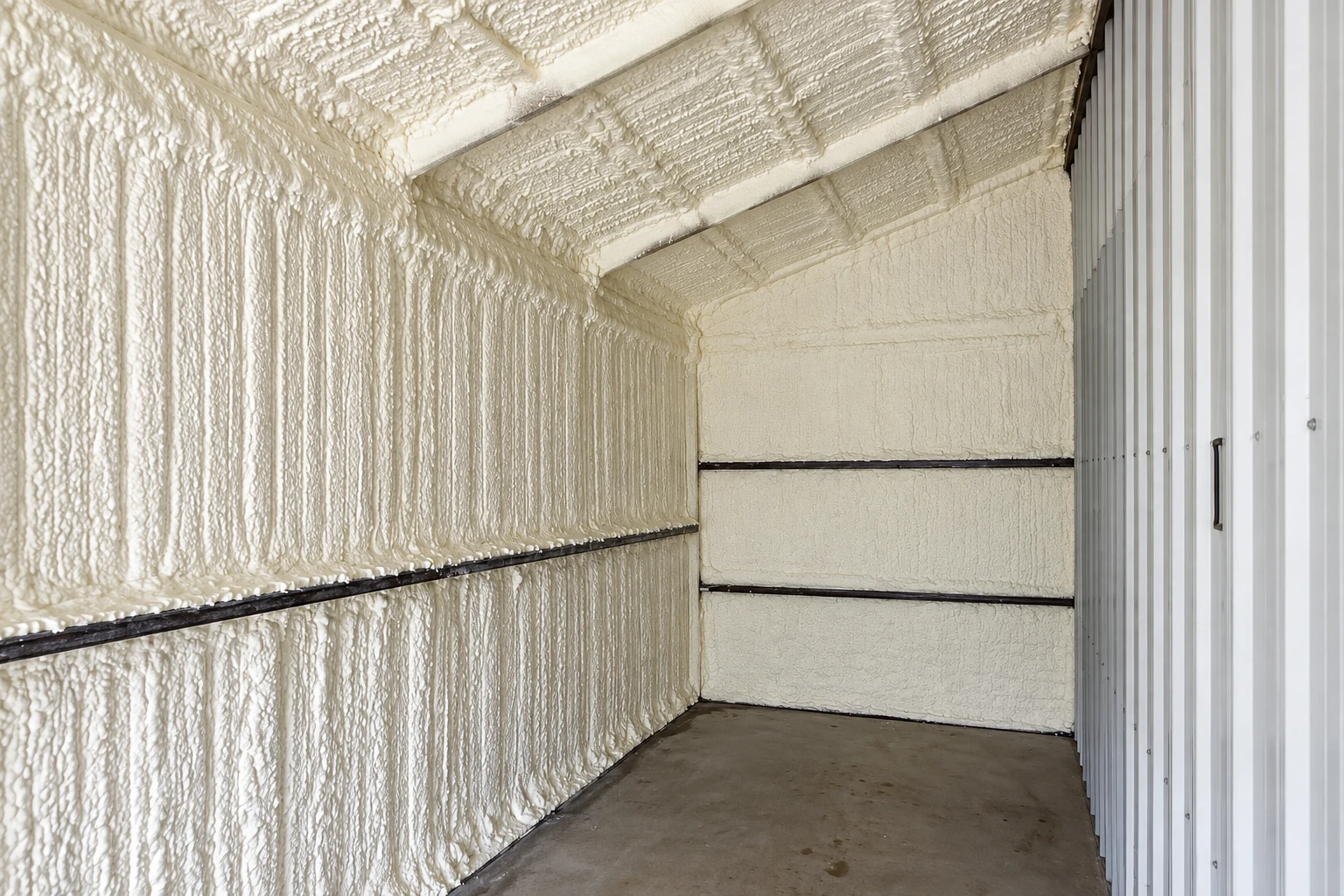
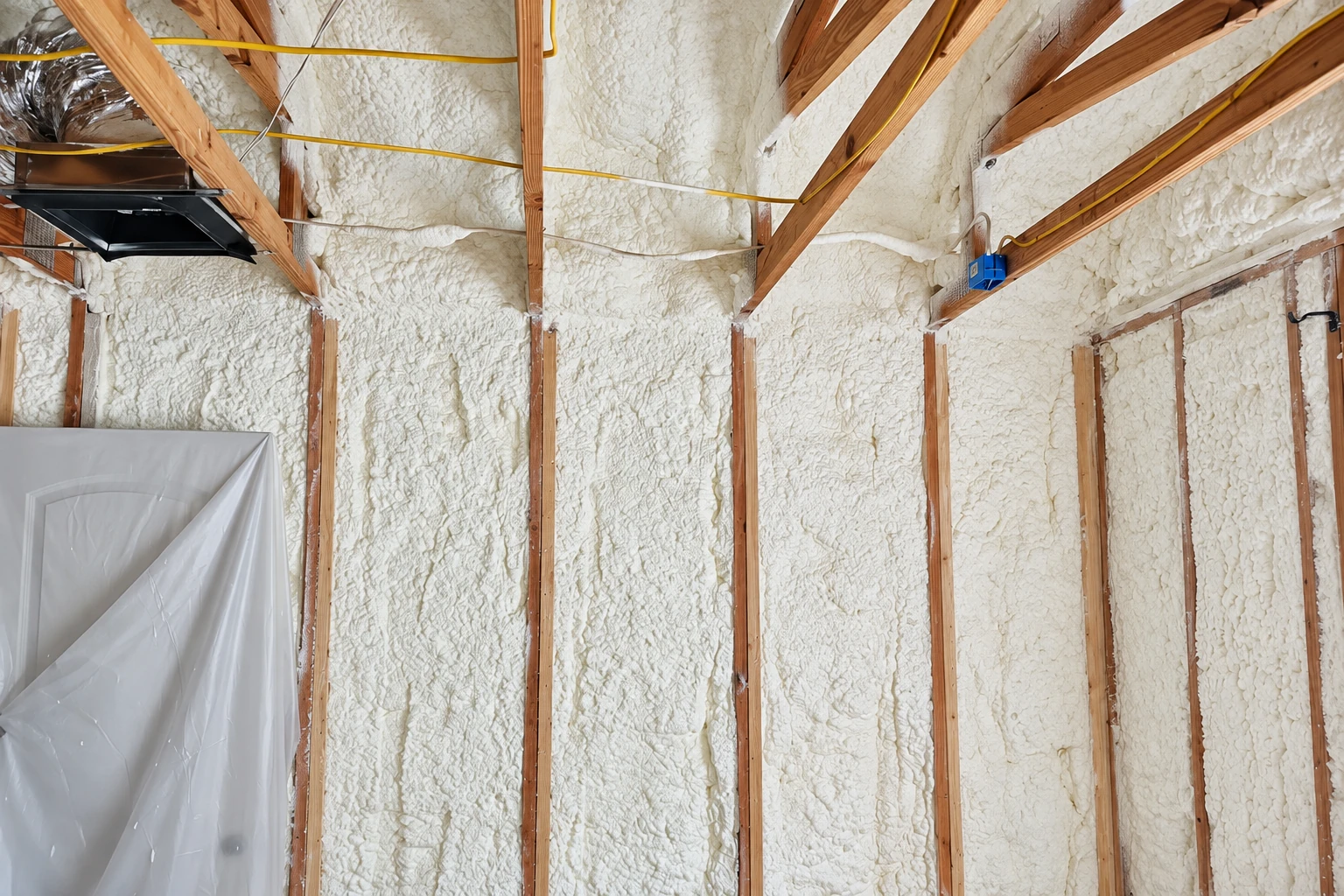
Open-cell spray foam insulation coats the walls and roof between exposed wooden framing in an unfinished room.

Open-cell foam insulation is a soft spray foam that fills every gap it's sprayed into and stops air from moving through it, so a drafty or noisy room in a Durham house holds its temperature and gets quieter.

Is open-cell spray foam right for my Durham house?

Most calls start with a room that won't stay comfortable or a power bill that keeps climbing. Open-cell expands as we spray it, so it packs in around pipes, wires and framing, and at normal thickness air can't get through. Blown-in insulation, which is loose fill blown through a hose, slows heat well, but air can still drift through it. Stopping that air is where foam earns its cost.

The price moves with how many square feet we spray and how thick, whether old insulation has to come out first, and whether the product needs a covering layer over it. The schedule turns on that same prep, on your household being away on spray day, and on whether a permit is needed. Before we start, we check with the permit office that covers your address. Your written estimate lays all of that out line by line.

What I check before we spray open-cell foam

A foam job goes right or wrong before the sprayer comes off the truck. These are the things I look at in your attic or walls first, and why each one matters.

What's up there now

I measure how many inches are already up there and look for anything soaked, moldy or full of droppings. New insulation over a problem just hides the problem, so bad material comes out first through our insulation removal work. How much has to go changes both the price and the days on the calendar.

Whether the foam gets covered

Some spray foams need a thermal or ignition barrier, a coating or a layer of drywall over the foam, because of what the foam is made of or because code calls for it. Others don't. The product we pick for your house decides whether that extra layer is part of the job, so I'll tell you up front.

Can lights, pipes and the hatch

Foam seals around light housings, pipes and wires as it goes on. The attic hatch is different, because it opens and closes, so it needs its own air sealing, which means closing the gaps around it with weatherstrip and an insulated cover. Skip that and the attic leaks through its own door.

What happens after you call us about open-cell foam

Here's how a foam job runs from your first call to the walk-through, and who you'll see at each step, so there are no surprises on spray day.

  1. 1

    Call or send the form

    Call (919) 246-8605 or send the form with the area you want insulated. We call you back, ask a few questions about the house and set a time for me to come out.

  2. 2

    Walk the space with me

    I come out myself and look at the attic, walls or crawl space with you. I explain what I see and what I'd do first, then you get a written estimate and I walk you through each line.

  3. 3

    Our crew sprays as planned

    Our trained installers do the work with a crew lead on site, the way we planned it at the estimate. Your household is out of the house while we spray, and we keep the rest of the house covered and clean.

  4. 4

    See the work before we leave

    Before we pack up, we show you what we sprayed and where. We give you the re-entry time, which is when it's safe for everyone to come back inside, and you wait until then.

Request an estimate

How we plan an open-cell foam insulation job

Open-cell is good at stopping air and quieting a room, but water vapor still passes through it. In a sealed attic, where the foam goes on the underside of the roof and the vents are closed off, that moisture needs a way out, so we plan how it leaves before we spray. One study of real houses found sealed attics averaged more moisture, inside and up top, than vented ones.

Anyone in your house with asthma, allergies, a skin condition or a past reaction to isocyanates, the chemicals that make the foam, should read the product sheet with me first. If it looks like a bad fit, we talk about other insulation. I'd much rather you learn that at the kitchen table than after you've planned your week around spray day.

Sometimes the damp you feel starts below the floor, not up top. Foam in the attic won't fix that, and a crawl space vapor barrier is usually the first job. I learned to spray foam on commercial crews in warehouses, schools and office buildings, and we still do commercial insulation for property managers who need the same care on a bigger building.

Foam the whole roofline

When your ductwork and air handler sit in the attic, spraying the underside of the roof brings them inside the sealed space with you. That's the case where foam's higher cost usually pays its way.

Seal and top up instead

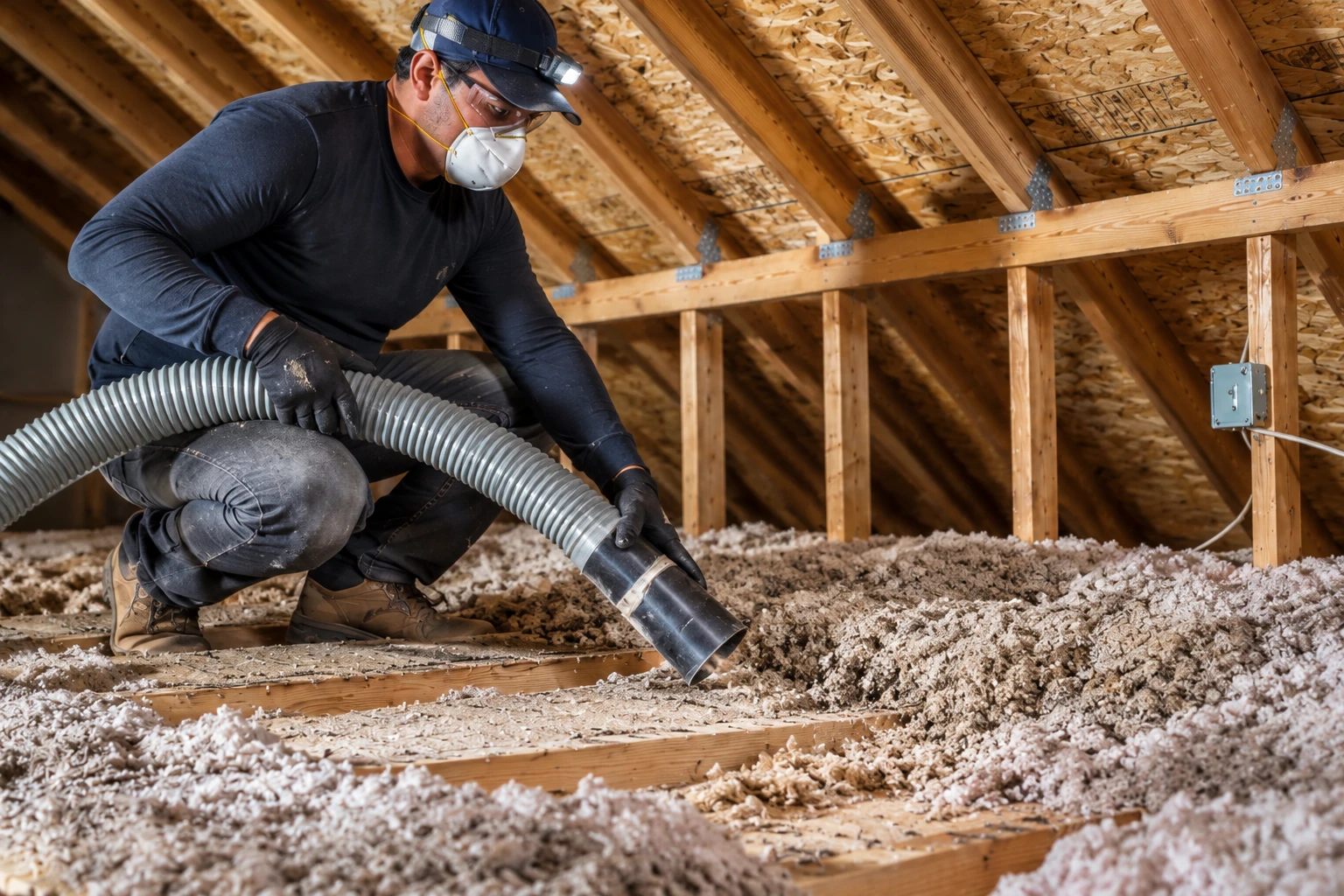
With no ducts up there, sealing the gaps at the attic floor and adding loose fill usually does the job for less money. If that's your house, I'll tell you, even though it's the smaller job.

Get a written open-cell foam estimate for your house

Send the form and we'll get back to you within one business day to set up your free on-site estimate. I come out, look at the space with you and leave you a written estimate with no obligation. It helps to have the area you want insulated, its rough square footage and any health concerns in the house ready.

(919) 246-8605

info@durhaminsulationcompany.com

Open-cell foam insulation permits and jobs in Durham

In Durham, the City-County Building & Safety Department issues building permits and handles inspections for homes in both the city and the county, so there's one office no matter which side of the line you're on. A permit is required for any project with load-bearing work or worth more than $40,000. That doesn't settle every foam job, so we check with that office for your address first, and where a permit is needed we handle the paperwork and meet the inspector.

Around Durham and in Chapel Hill and Raleigh, we see a lot of the same calls. Older houses with thin, settled batts, a room over the garage that bakes all summer, and ductwork running through a hot attic. We're based in Durham and work in the cities around it, and if you're not sure we come to you, just ask.

Why Durham homeowners call Sealcraft Durham Insulation Company for foam

I started this business in Durham in 2013, so we've been at it 13 years. I come out to look at the job and write the estimate myself, so the person explaining your attic is the person accountable for the plan. Our trained installers do the work, and a crew lead is on site the whole job.

We're licensed and insured. Satisfaction guaranteed. I'd rather lose a job by telling you foam isn't worth it for your house than win it by skipping a step. When you're ready, call (919) 246-8605 or send us the form.

Crawl space vapor barrier

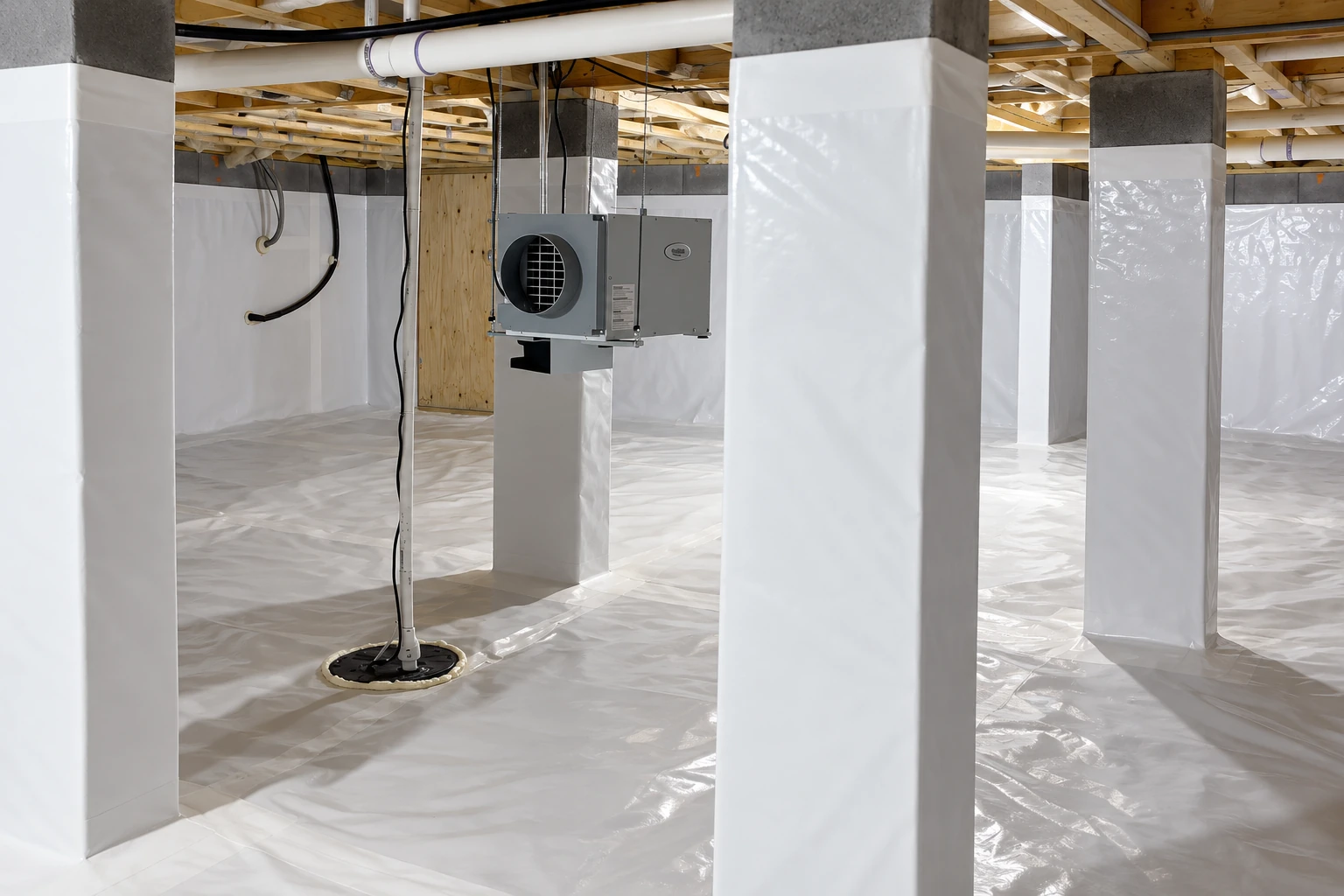
If the floors feel cold and the house smells damp, moisture coming up from the dirt under your house may be the real source, and a barrier down there stops it.

Commercial insulation

Property managers with offices, shops or rental buildings can get the same planning and crew lead on site for a larger space.

Cities we cover from Durham

We're based in Durham and spray open-cell foam in Durham and the cities around it. The cities below have their own pages, and if yours isn't listed, call and ask.

Open-cell foam questions we hear most

How much does open-cell spray foam insulation cost in Durham, NC?

Open-cell spray foam in the Raleigh area usually costs about $1,800 to $2,600 for 1,000 square feet sprayed 3 inches thick. That's what the market charges in the region, not our price, and thickness, prep and any covering layer change it. Your own Durham number comes from the written estimate after I've seen the space.

Is open-cell or closed-cell spray foam better for my house?

Closed-cell is better if you want the most insulation per inch, and open-cell is better if you also want a quieter room. Closed-cell is about twice as efficient per inch and costs more, while open-cell is a much better sound barrier. Here's more on closed-cell foam if you're weighing the two.

How long do we have to stay out of the house after spray foam insulation?

Plan on at least 24 hours away, during the spraying and after it, for the whole household. That usually means booking a place to stay and moving school, work and the pets' routine around it. Before we leave, we tell you exactly when you can come back in.

What should I do to get ready for spray foam day?

Go over the safety plan with us before spray day, so everyone knows who's leaving, when, and when they come back. Clear a path to the attic hatch and move anything stored near where we'll spray. Any health concerns should already be settled at the estimate, as we covered above, not that morning.

Who handles permits and inspections for spray foam in Durham?

We do, whenever a permit is needed for your job. On a permitted job, Durham's insulation inspection requires the installer's certification letter whenever spray foam is used, and the inspector checks that every required air barrier is in place. We have the letter ready and meet the inspector, so you don't have to take a day off.

When does a contractor need a North Carolina license for an insulation project?

Under state law, a general contractor has to be licensed when the total project is valued at $40,000 or more. That mostly matters when foam is part of a bigger remodel, so ask who holds that license, and you can look them up with the state licensing board.

Call now to plan your spray day

Spray day means a night away for the whole household, so calling (919) 246-8605 or sending the form now gives you time to plan around it.

(919) 246-8605Request an estimate