
Spray foam insulation
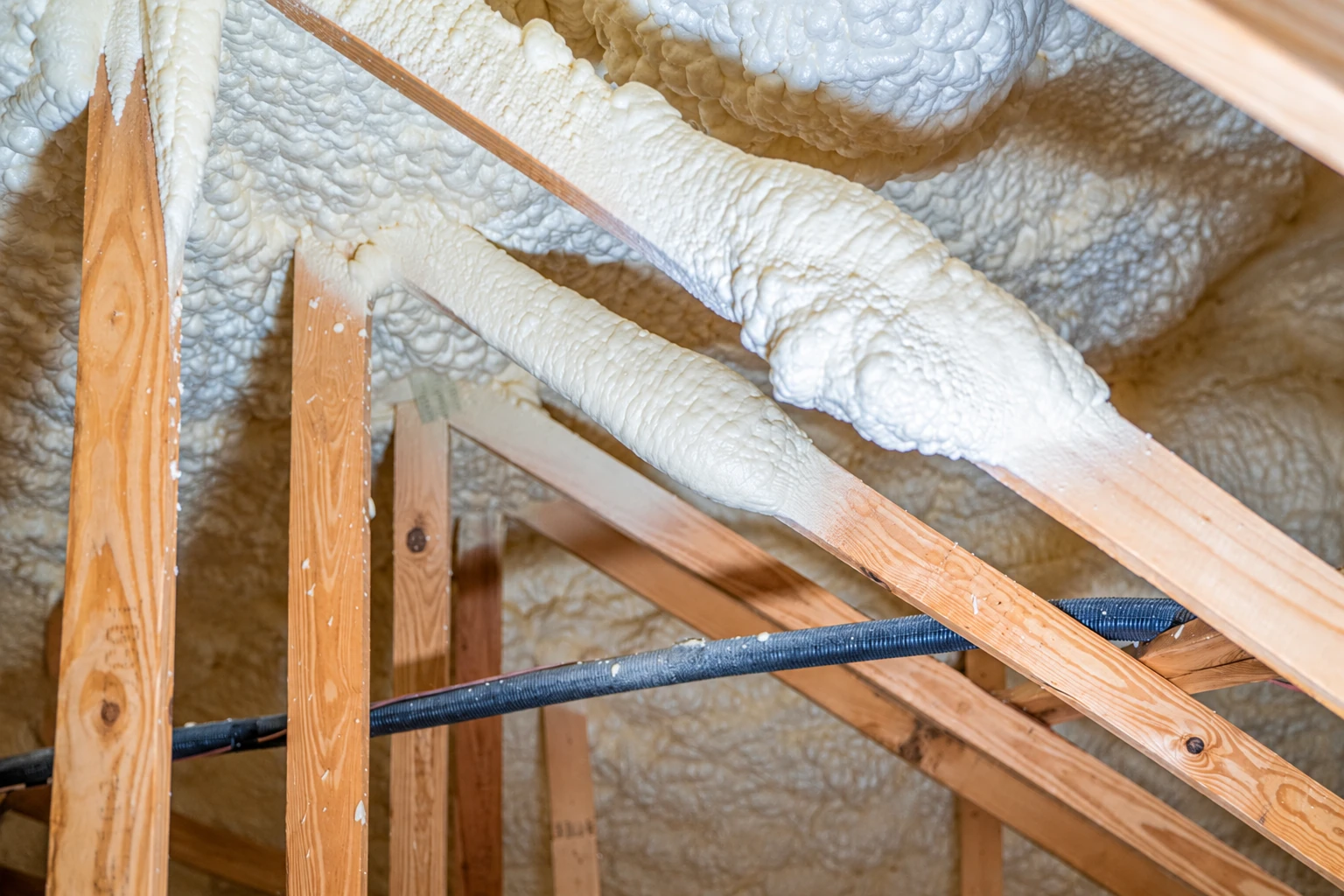
Spray foam fits rooflines, rim joists and bonus-room walls where loose fill won't stay put, because it seals air and insulates in one pass. It costs more, so we use it where it earns that.
Sealcraft Durham Insulation Company is an insulation contractor working in Chapel Hill, NC. We seal and insulate attics, crawl spaces, walls and the room over the garage in homes that run drafty, hot upstairs or costly to heat.
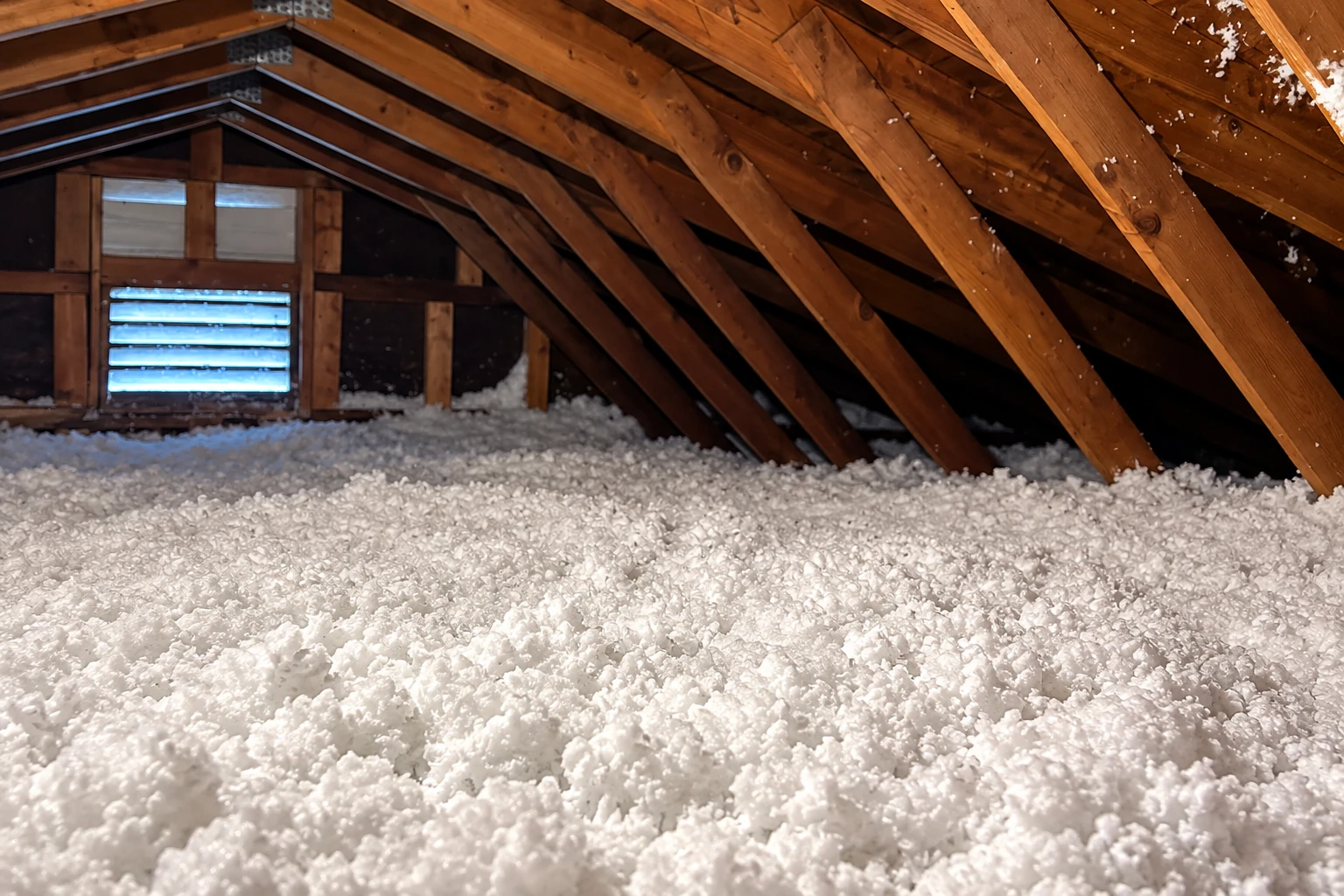
Sealcraft Durham Insulation Company insulates and air seals homes across Chapel Hill. That means attics that run hot upstairs, crawl spaces under cold floors, walls in older houses, and the room over the garage that never feels right. We're an insulation contractor based in Durham, and Chapel Hill is one of the cities around it that we cover.
On jobs here we see older houses with a few inches of insulation in the attic, packed down over the years, alongside newer houses with a bonus room built over the garage. Both usually have the same trouble underneath. Air leaks through gaps around can lights, pipes and the attic hatch, so new insulation laid on top keeps fighting a draft until those gaps get closed.
That's why I look before I quote. I check how many inches are already up there, whether the old material was ever soaked or full of droppings, and whether the eave vents are clear. Those are the openings along the roof edge that let the attic breathe. Burying them, or laying fresh insulation over a damp mess, just moves the problem somewhere you can't see it.
Spray foam fits rooflines, rim joists and bonus-room walls where loose fill won't stay put, because it seals air and insulates in one pass. It costs more, so we use it where it earns that.
If upstairs runs hot and the power bill keeps climbing, the attic is usually the first place we look. We seal the gaps, then bring the depth up evenly all the way to the edges.
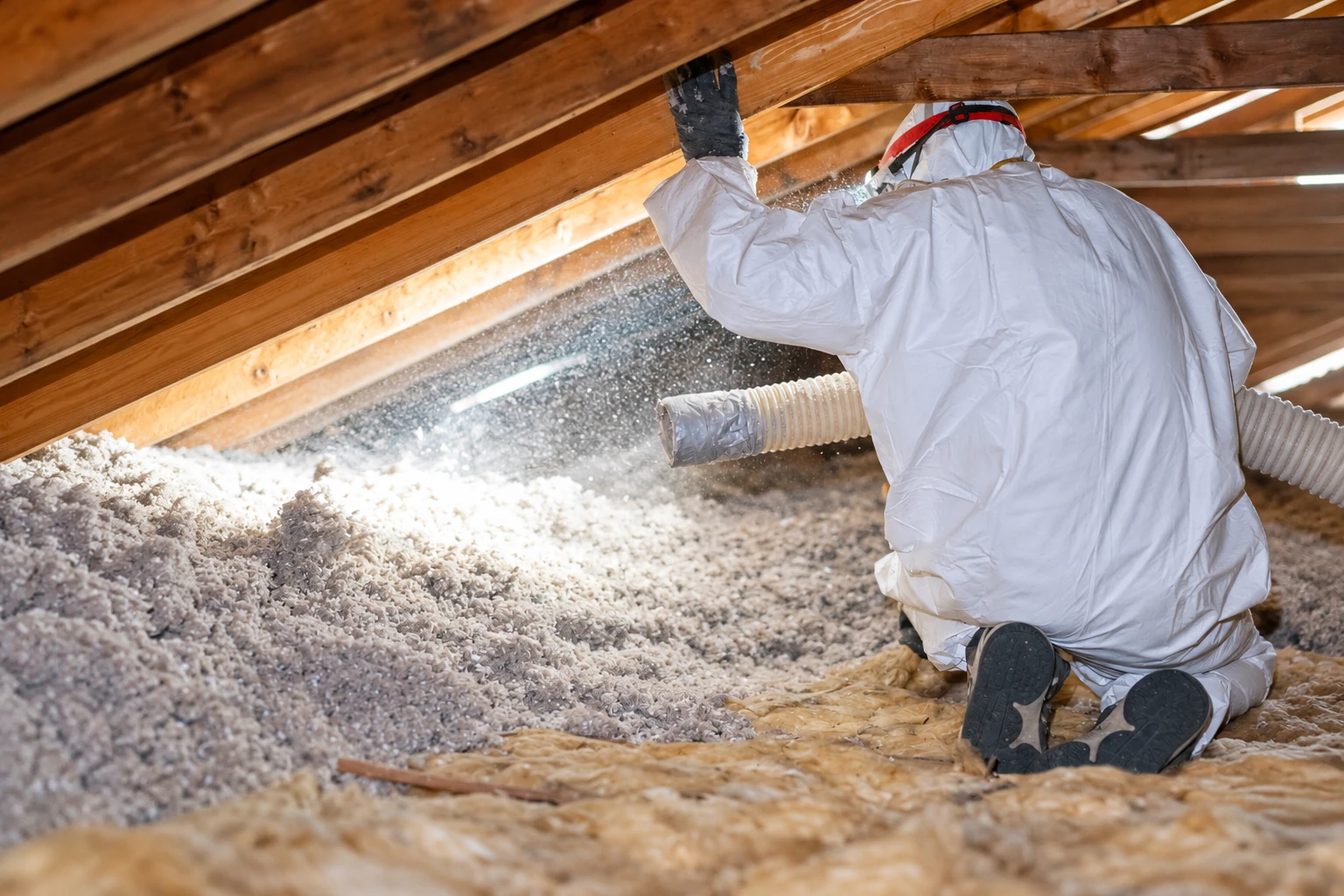
Blown-in insulation, loose fill sent through a hose, is how we top up most attics that still have a few inches left. It settles around framing and wiring without tearing anything out.
When the whole house feels drafty and you don't know where to start, we go from attic to crawl space and tell you which fix pays off first and which can wait.
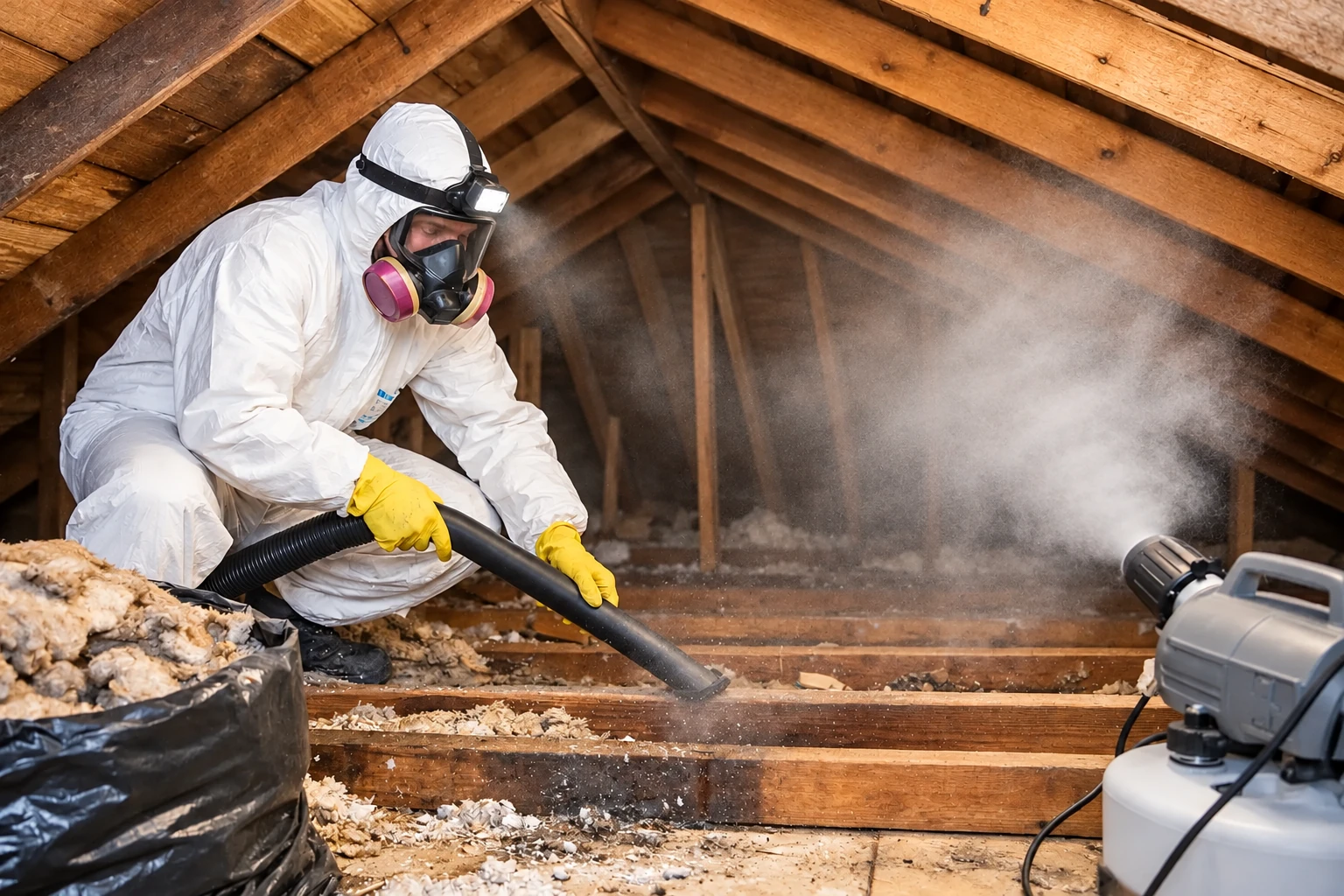
Insulation that got soaked, smells or is full of droppings comes out before anything new goes in. Covering it up only keeps the problem inside your house.
Cold floors in winter usually mean the crawl space below is open to outside air. We insulate between the floor joists or along the walls, depending on how your crawl space is built.
Some older houses have little or nothing in the exterior walls, which is why one room stays cold no matter what. We fill those cavities without gutting the room.
Air sealing means closing the gaps before any insulation goes down. It's often the cheapest step on the job, and skipping it is a common reason a fresh attic still feels drafty.
A basement loses heat through its walls and the rim joist above them. We insulate both so a finished or half-finished basement stays usable through the winter.
Closed-cell foam is dense foam that blocks moisture as well as heat. We reach for it on crawl space walls and rim joists where dampness is part of the problem.
Open-cell foam is lighter and softer, and it fills odd roof shapes well. It suits a house whose ductwork runs through the attic, since it brings that space inside.
Property managers call us for offices, shops and other buildings. I learned this trade on commercial crews, so we know how to work around tenants and keep a site moving.
A crawl space vapor barrier is a heavy plastic sheet laid over the dirt to keep ground moisture out of your floor framing. On a damp crawl space it often matters more than the insulation.
Beyond crawl spaces, we put vapor barriers on basement walls and other spots where moisture would otherwise soak into new insulation and ruin it.
Before we add depth, we seal around can lights, pipes, wires and the attic hatch. Those small openings let warm air leak into the attic all winter long.
Retrofit insulation is adding insulation to a house that's already built and lived in. We work through the attic, crawl space and wall cavities with as little mess as we can.
Send the form and we'll reply within one business day to set a time. I come out to your Chapel Hill home myself, look at the attic or crawl space, and write up a free estimate with no obligation. Then I walk you through each line so you know exactly what you'd be paying for.
(919) 246-8605Inside town limits, the Town of Chapel Hill handles residential building permits through its Office of Planning and Sustainability, going by the Town's older checklist, so check with the Town for its current steps. When a job needs a permit, zoning review comes before building review, and that wait lands before our start date. We check with the permit office that covers your address, and where a permit is needed, we handle the paperwork and meet the inspector.
The NC Licensing Board for General Contractors says a general contractor must be licensed by law when the total project cost is $40,000 or higher, so on a job that size, ask any contractor for that license. State law exempts owners working on their own land for their family's sole use, under conditions the law sets. We're licensed and insured.
What moves the price here is the size of the attic or crawl space, the inches already up there, whether old material comes out first, and foam versus loose fill. The schedule turns on any permit review, removal work and, with foam, the re-entry time. Your written estimate covers all of it. We work the same way next door in Carrboro, in Durham and in Apex.
I learned this trade on commercial crews, spraying foam and fitting board in warehouses, schools and offices, and most problems I saw there traced back to a step someone rushed. I started this business in Durham in 2013 to bring that same care to houses. I write every estimate myself, and our trained installers do the work with a crew lead on site.
We explain your attic or crawl space before we touch it. You'll hear what we found, why we seal before we insulate, and why we keep the depth even out to the edges instead of piling it up in the middle. If a smaller fix will do the job, I'll tell you so, even when it means less work for us.
We back the work with one plain promise, satisfaction guaranteed. If you're ready, call (919) 246-8605 or use the form on this page and tell me what's going on, whether it's a hot bedroom, a cold floor or a bill that keeps creeping up.
Where your house sits in Chapel Hill can change which office reviews the work and how long that review takes. Here's what the Town's older residential checklist points to.
A Chapel Hill address can sit in either Orange County or Durham County, and the Town's residential application asks which one your project is in. It doesn't change how we insulate an attic, but it can change the paperwork behind the job. So we confirm the county early, before anything gets put on the calendar, and you don't have to sort it out yourself.
If your house sits outside Chapel Hill's town limits, Orange County's development rules cover the land instead. The county also runs a joint planning agreement with Chapel Hill and Carrboro, so homes near the edge can fall under shared rules. We work out which office covers your address before we talk start dates, so nobody ends up waiting on the wrong desk.
The Town's application lists special protection areas that can affect a property, including floodplain, historic district, the Jordan Buffer and watershed protection districts. Under the older checklist, work in or near one of these goes on the Regular zoning track of about five days. Finishing an unfinished attic or basement fell on the Minor track, which was same day.
The Town's older checklist lists the building desk at 919-968-2718 or permits@townofchapelhill.org, and zoning at 919-969-5066 or planning@townofchapelhill.org. It also lets you send zoning and building materials together or separately. You're welcome to ask them anything yourself, and when our job needs a permit, we handle that back and forth for you.
The price for a Chapel Hill attic comes down to its size, the inches already up there and whether old material has to come out first. Air sealing, foam versus loose fill and how hard the space is to reach move it too. I give you a written figure after I've looked, with each part broken out.
For blown-in insulation and air sealing you can usually stay home, and most of our time goes into prep like sealing gaps and clearing eave vents. Spray foam is different, because everyone, kids and pets included, stays out until the re-entry time the foam maker sets. I'll tell you both before we book.
Clear a path to the attic hatch or crawl space door and move anything stored right below it. Boxes near the attic edges may need to come out so we can reach the eaves. We lay drop cloths inside and clean up before we leave.
For most attics, sealing the gaps and topping up with blown-in loose fill is the better value, and that's what I'll usually recommend. Foam costs more because it seals air while it insulates. It earns that price when your ductwork runs through the attic, since foam on the roofline brings the ducts inside.
The North Carolina State Building Code applies in Chapel Hill, as it does across the state, adopted and amended by the state Building Code Council. The State Fire Marshal's office posts notices on when a new edition takes effect, so we confirm which edition applies before a permitted job starts.
Our phone hours run until 10 PM on weekdays and 9 PM on weekends, so call (919) 246-8605 after work or use the form whenever it suits you.