
Spray foam insulation
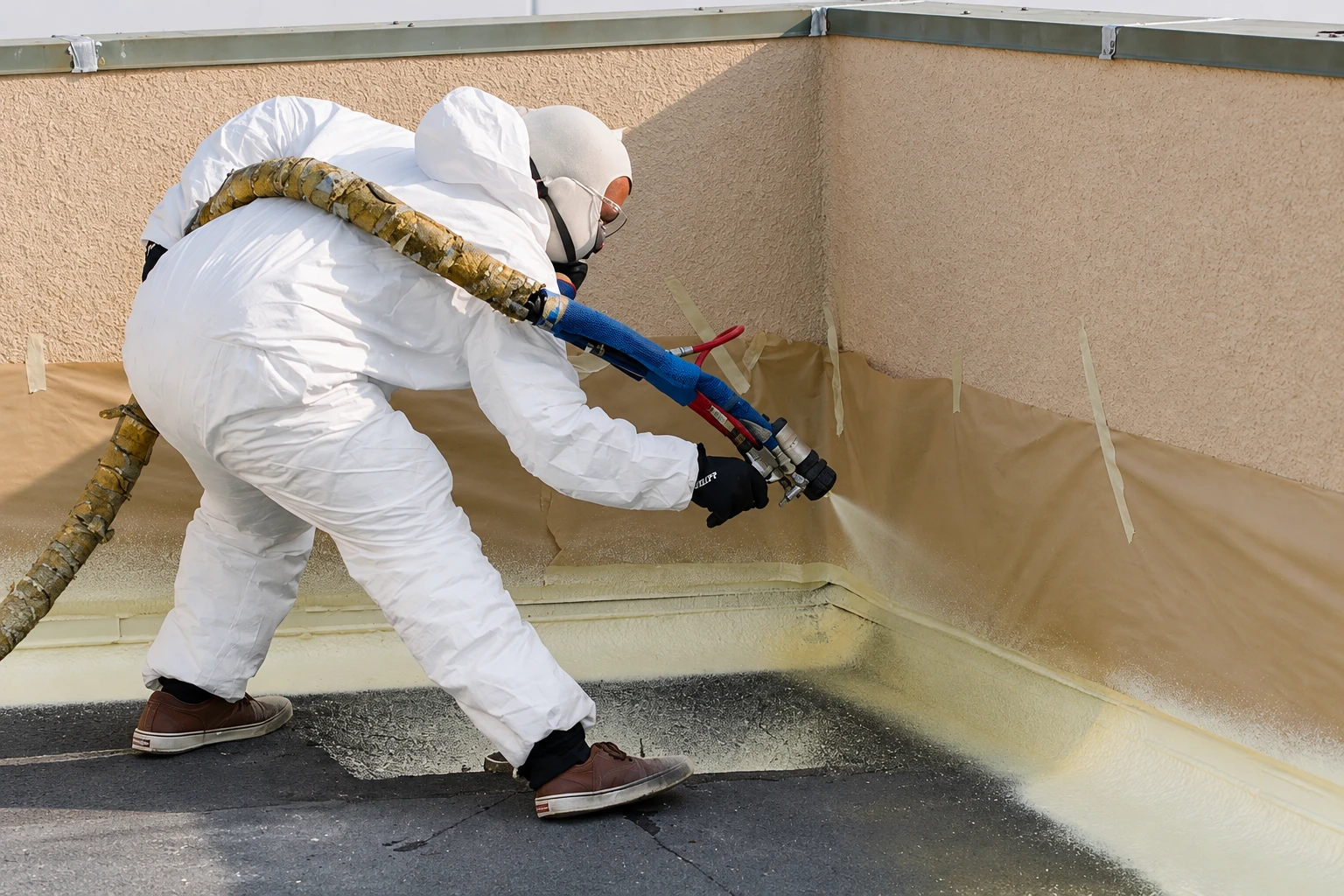
Spray foam fills and seals in one pass, which helps when ductwork runs through a hot attic or the room over the garage won't hold its temperature.
Sealcraft Durham Insulation Company is an insulation contractor based in Durham that insulates and air seals attics, walls and crawl spaces for homes in Wake Forest, NC, and works on commercial buildings there too.
Sealcraft Durham Insulation Company insulates attics, walls, crawl spaces and the room over the garage for homeowners in Wake Forest, and we handle commercial buildings for property managers here too. I come out from Durham to look first, because most of what we do depends on what's already up there and why it isn't working.
Most calls from Wake Forest start with something you can feel. The upstairs won't cool down in July, the floors are cold in January, or the power bill keeps climbing with nothing else changed. I start by finding out why, because a drafty house and a damp crawl space are different jobs, and guessing wrong costs you money.
On most jobs we start with air sealing, closing the gaps around can lights, pipes and the attic hatch before any insulation goes in. Insulation slows heat, but it can't stop air pushing through a hole, so skipping that step leaves you paying for material that's fighting a draft. It's the step I see rushed most often, and it's hard to get back to afterward.
We also keep the eave vents at the low edge of the roof open, and we make the coverage as deep at the edges as it is in the middle. Bury those vents and the attic can't breathe, so moisture starts showing up in the framing. We work the same way nearby in Raleigh and Butner.
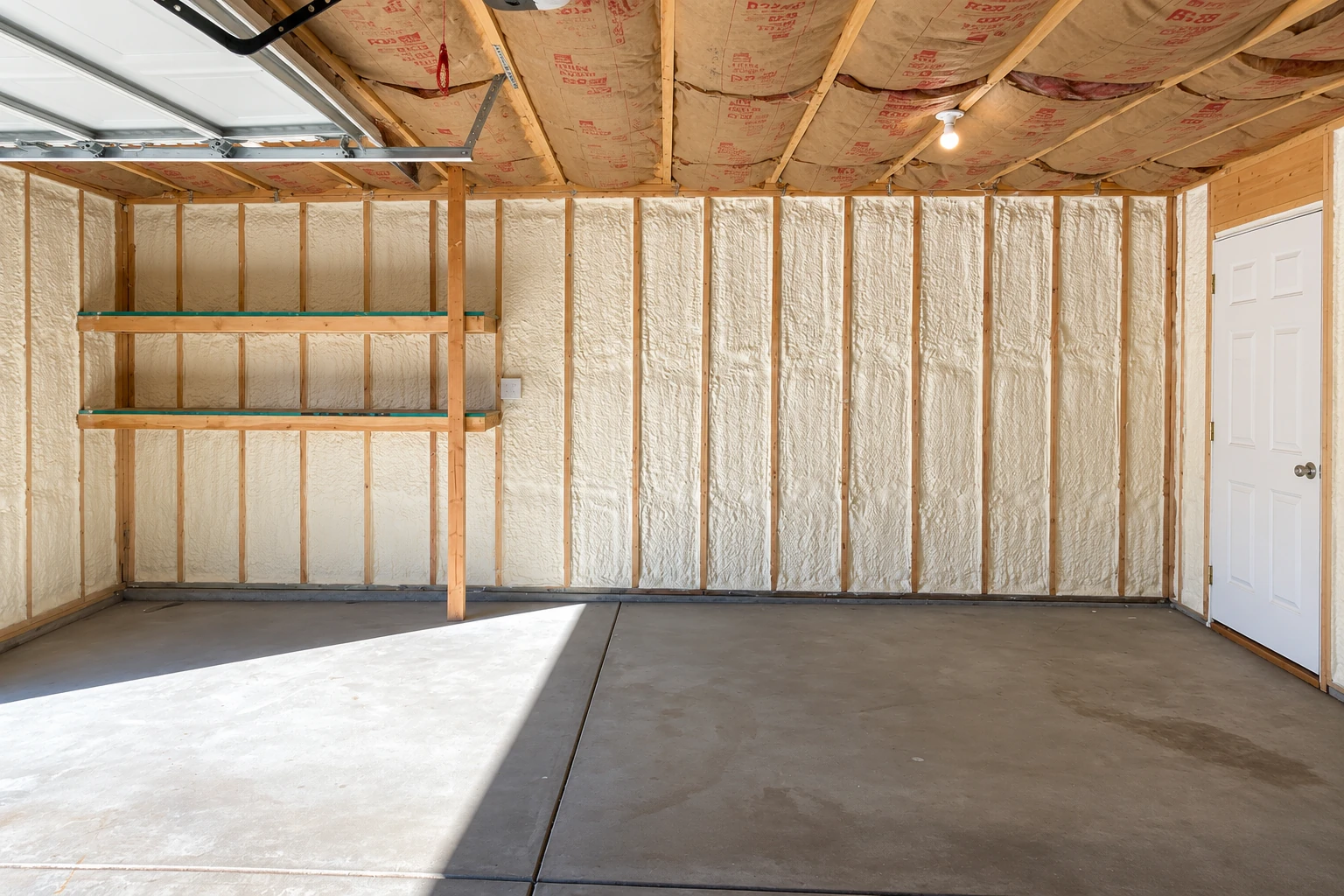
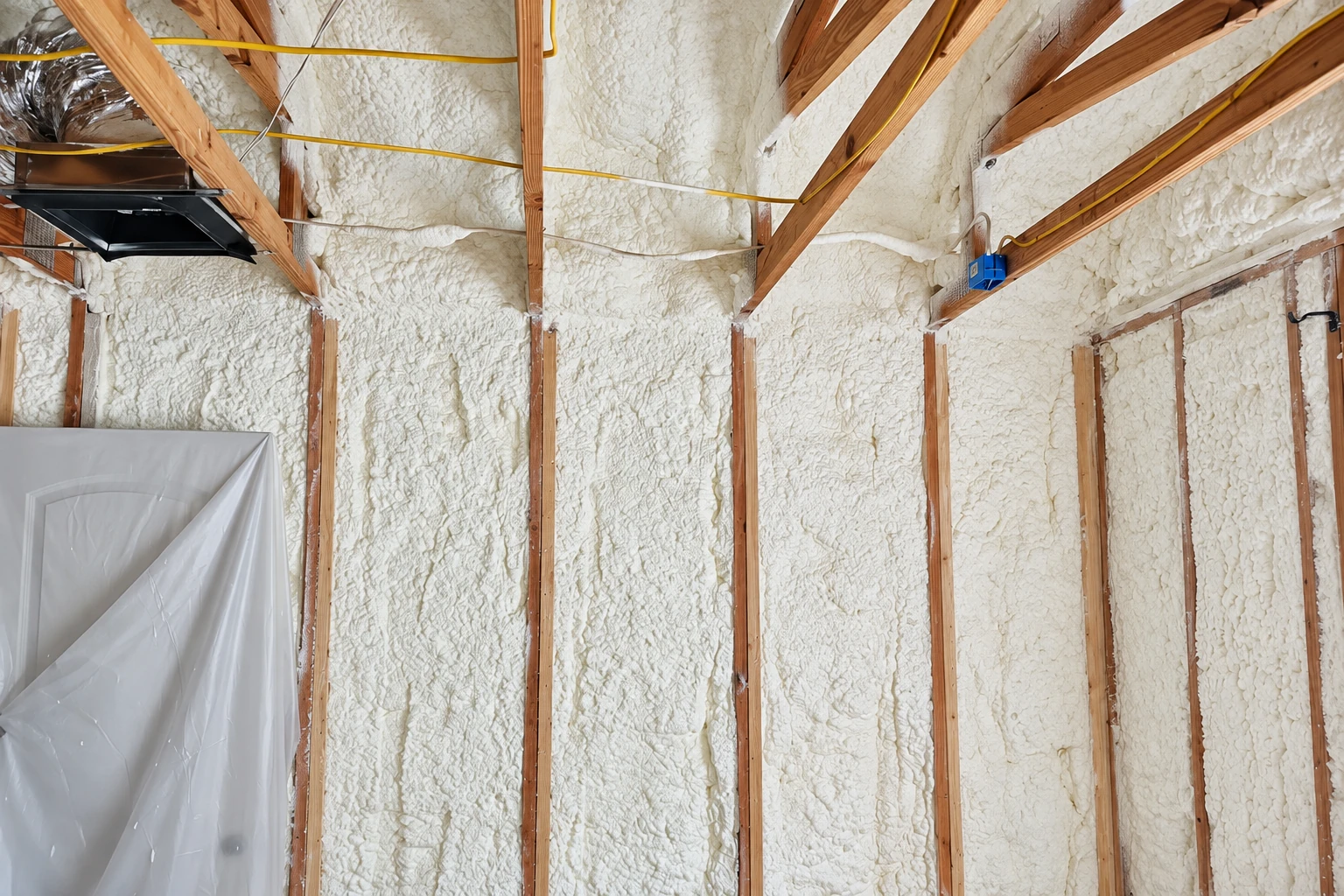
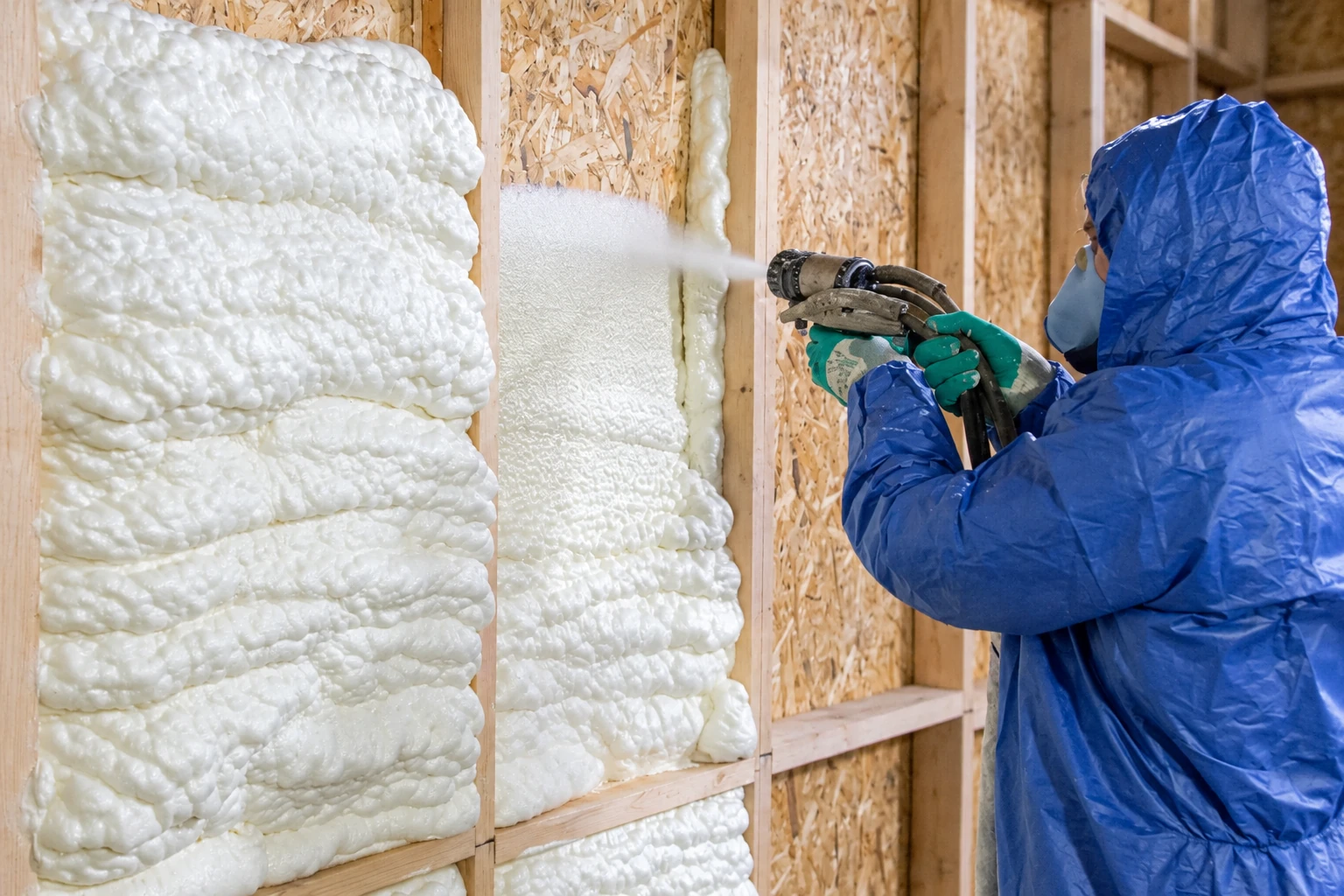
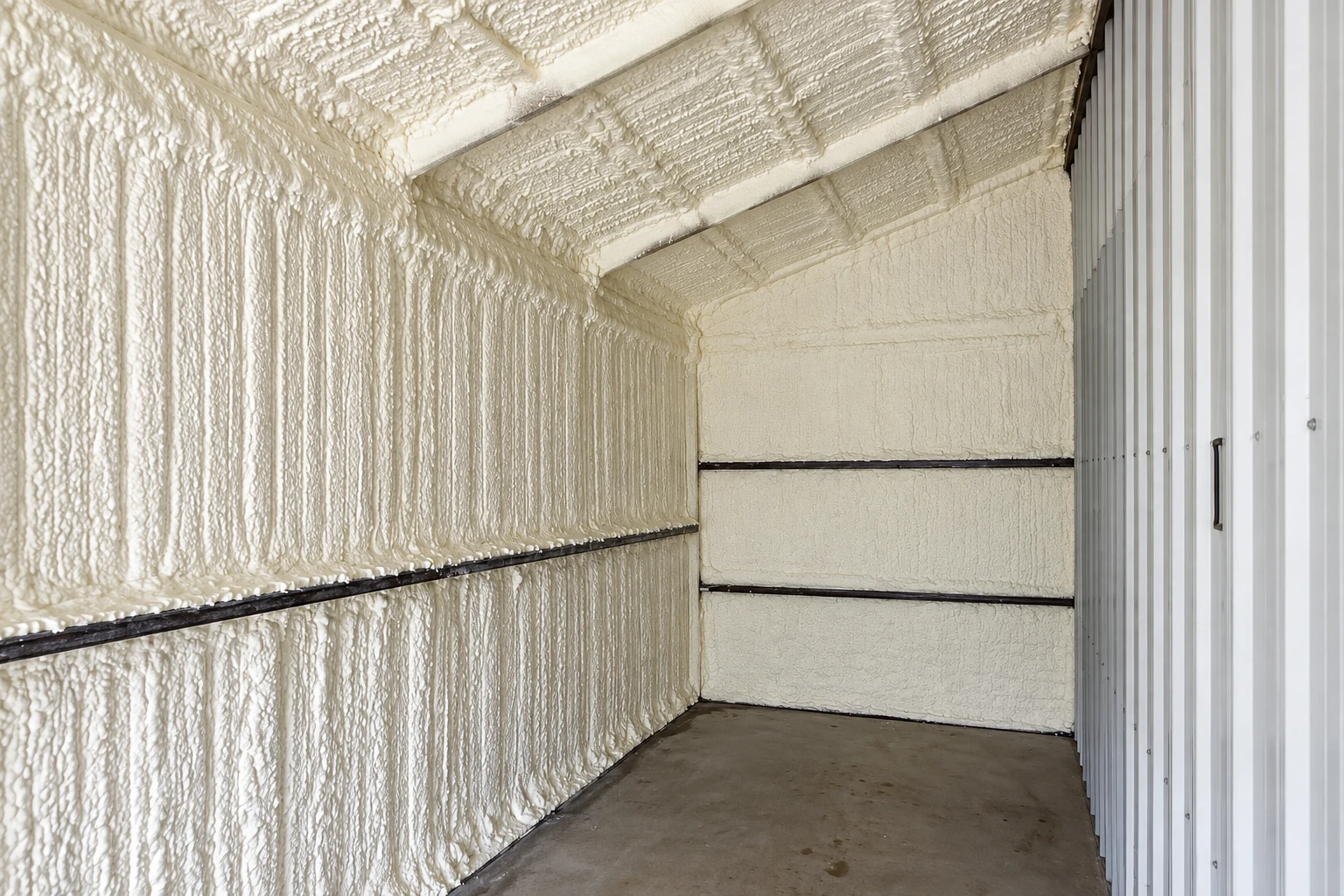
Spray foam fills and seals in one pass, which helps when ductwork runs through a hot attic or the room over the garage won't hold its temperature.
When the upstairs runs hot, we check how many inches are already up there, seal the gaps, then build the attic up evenly from the middle out to the eaves.
Blown-in insulation, loose fill sent through a hose, tops up a thin attic floor and settles into the corners and around the framing that rolled batts tend to miss.
If the whole house feels drafty, we look at the attic, walls and crawl space together and tell you which one is costing you the most before we price anything.
When old insulation has been soaked or is full of droppings, we pull it out and clean up first, so the new layer isn't sitting on the old problem.
Cold floors over a crawl space usually mean the insulation underneath has sagged or fallen down, so we check the space for moisture, then fit and secure new insulation.
Some older Wake Forest houses have walls with little or nothing inside them, and we can fill closed walls from small openings instead of tearing out the drywall.
Air sealing closes the gaps around pipes, wires, can lights and the attic hatch, and it's usually our first step because insulation can't keep up with a draft.
Basement walls and rim joists, the band of framing where the house sits on the foundation, lose more heat than most people expect, finished basement or not.
Closed-cell foam, a dense foam that also blocks moisture, is worth its higher cost in a damp crawl space or against a below-grade wall where water vapor is the bigger worry.
Open-cell foam is softer and lighter, and it suits rooflines and interior spaces where you want the air sealed and some sound dampened but moisture isn't the main concern.
For property managers in Wake Forest, we insulate and air seal offices, shops and other commercial buildings, the kind of work I did on commercial crews before starting this company.
A crawl space vapor barrier is heavy plastic laid over the dirt to keep ground moisture out of the air under your floors, and it goes down before the insulation does.
Beyond crawl spaces, we put vapor barriers in walls and other spots where moisture could reach the insulation and soak it over time.
Attic air sealing closes the openings between your rooms and the attic, so cooled and heated air stops escaping upward and the insulation above can do its job.
Retrofit insulation adds to a house that's already built and lived in, working around finished walls, stored boxes and tight attic access without turning it into a remodel.
Send the form with your Wake Forest address and what's bothering you, and we'll reply within one business day. I come out myself to look at the attic or crawl space, then write up the estimate and walk you through each line. It's free, and there's no obligation.
(919) 246-8605Who issues a permit depends on where your house sits, not on the name on your mailbox. The Town of Wake Forest Inspections Department covers homes inside the city limits and the ETJ, the area just past the limits that the city also oversees, and some Wake Forest addresses fall outside both. Unincorporated parts of the county go through Wake County Permits and Inspections.
Before we start, we check with the office that covers your address, and where a permit is needed we handle the paperwork and meet the inspector. When a job needs one, the permit is usually what sets the start date. To check a contractor, the NC Licensing Board for General Contractors says a general contractor must be licensed when the total project cost is $40,000 or more. The city no longer requires a business license, so there isn't one to ask for.
Price turns on how much attic or crawl space there is, how many inches are already up there, whether old material has to come out, how many gaps need sealing and how easy the space is to reach. Removal and a permit are what usually stretch the schedule. Your written estimate lays out your own number line by line, the same way we do it in Durham and out in Burlington.
I learned this trade on commercial crews, spraying foam and fitting board in warehouses, schools and office buildings, and that's where I saw that most insulation problems trace back to a step someone rushed. I started this company in Durham in 2013 to bring that same care to houses. We're licensed and insured. Satisfaction guaranteed.
I come out to look at the job and write the estimate myself, and I'll explain what's going on up there before we touch anything, even if the honest answer is a smaller job than you expected. Our trained installers do the work with a crew lead on site. When you're ready, call (919) 246-8605 or send us the form and tell me which room bothers you most.
A few things about Wake Forest change how we approach a job here, mostly water getting under the house and the extra rules that come with homes near streams.
The city says its most common flooding comes from rivers and streams overflowing after heavy rain, sometimes slowly and sometimes as a flash flood. Water that gets under a house leaves crawl space insulation soaked and sagging, and wet insulation does almost nothing. If yours has been through that, we take it out, make sure the space has dried, and put down a vapor barrier before new insulation goes in.
If your house sits in the city's regulated flood zone, improving it calls for a Floodplain Development Permit, and the city wants that applied for before any change is made. Depending on what the renovation costs, the whole home may have to be brought up to current floodplain rules. If you know you're in that zone, tell me at the estimate so we sort that question out first.
When the city issues a residential permit, every part of the building has to be designed to meet the current North Carolina Residential Code, and insulation is one of those parts. That's another reason we settle the permit question before anyone climbs into your attic. It's easier to plan the work around the code from the start than to change course halfway through.
Wake Forest has older houses near downtown and plenty of newer subdivision homes, and they usually let you down in different ways. Older attics often have a few inches of settled insulation and open gaps around pipes and chimneys. Newer homes tend to have more insulation but a hot room over the garage or ductwork running through the attic, which changes whether foam is worth it.
Your price comes from a free written estimate after I've seen the attic or crawl space, because no two houses start in the same place. The biggest swing is foam versus loose fill. Foam costs more and seals air while it insulates, but sealing the gaps and topping up with blown-in usually gets you more for the money, unless your ductwork runs through the attic.
The city's list doesn't settle it, because the city's permit FAQ names work like porches, decks, sunrooms and electrical, not insulation. That's why we check with the office for your address before we start. Making sure the right permits are in place is the homeowner's responsibility, so it's worth having a contractor who asks the question instead of skipping it.
That turns mostly on how much prep your attic needs, not on the insulation itself. Pulling out old material, sealing gaps around lights and pipes and protecting your floors all come before anything gets blown in, so a clean attic with easy access goes much faster than one that needs clearing out. I'll tell you what yours needs when I look at it.
Yes, with spray foam you, your kids and your pets stay out until the re-entry time has passed, which is the wait the foam maker sets before people can come back inside. We go over that time before the job starts so you can plan around it. Blown-in work usually doesn't mean leaving, though we'll ask you to keep pets away from the work area.
Clear a path to the attic hatch and bring down anything stored up there that you want to keep, since boxes on the attic floor sit right where the insulation goes. Point out any can lights or wiring you know about. If you have pets, keep them in a closed room while we're working.
If the old insulation is dry and clean, adding on top is usually fine and saves you the cost of removal. If it was soaked or has droppings in it, it has to come out first, because new material laid over it just hides the problem. I'll show you what's up there before you decide.
We pick up (919) 246-8605 until 10 PM on weekdays and from 6 AM to 9 PM on weekends, so you can call after work or on a Saturday morning, or use the form anytime.